.png)


Car Shipping to Alaska: What to Expect

A vehicle headed north usually does not travel on one truck from pickup to final delivery. That is what catches people off guard with car shipping to Alaska. Most moves involve a combination of over-the-road transport and ocean shipping, which means timing, port access, weather, and paperwork matter more than they do on a standard state-to-state route.
If you are relocating, buying a car from the Lower 48, sending a vehicle to family, or moving business equipment into Alaska, the process is manageable once you know how the route works. The key is choosing a transport setup that fits your budget, your vehicle type, and how flexible your schedule is.
How car shipping to Alaska usually works
For most customers, Alaska transport is a two-part move. The vehicle is first picked up at a home, business, auction, dealership, or terminal in the continental U.S. Then it is moved to a port where it is loaded for ocean transit. After arrival in Alaska, it is either picked up at port or scheduled for final delivery, depending on the route and service available.
That extra handoff is why Alaska shipments are different from a direct highway route. There are more moving parts, and each one affects timing. A truck may be ready quickly, but the vessel schedule may not line up for a few days. Or the ocean leg may run on time while inland delivery in Alaska shifts because of weather or local access.
This does not mean the process is unreliable. It means good planning matters. Customers who understand that Alaska shipping is a coordinated logistics move, not just a single truck dispatch, usually have a much smoother experience.
Door-to-door vs port-to-port for car shipping to Alaska
The best option depends on where the vehicle starts, where it is going, and how hands-on you want to be.
Door-to-door is usually the easiest choice for families, individual owners, and online buyers. The vehicle is picked up as close to your location as truck access safely allows, then moved toward the port. In Alaska, final delivery may also be available near major service areas, although exact access depends on road conditions, neighborhood restrictions, and local carrier routes.
Port-to-port can lower costs in some cases, but it puts more of the work on you. You may need to drop the vehicle at a designated port facility in the Lower 48 and arrange pickup at the Alaska port after arrival. That can make sense if you live near a port, have a tight budget, or prefer to control that part of the schedule yourself.
Some customers also use a mixed setup, such as door-to-port or port-to-door. That works well when one side of the move is easy to manage and the other side is not.
What affects the price
The fastest way to misunderstand Alaska shipping is to compare it to a simple cross-country quote. Car shipping to Alaska has more variables, and price can change based on the route details.
Distance still matters, but not just total mileage. Where the vehicle starts in the Lower 48 affects how much inland trucking is needed before it reaches port. Shipping from Seattle is different from shipping from Florida, Texas, or the Midwest.
Vehicle size also matters. A standard sedan generally costs less to move than a large SUV, lifted truck, dually, or oversized commercial unit. Weight, dimensions, and ground clearance all affect equipment choice and vessel space.
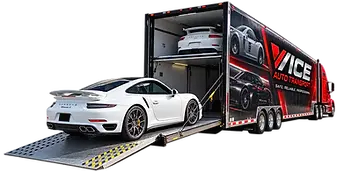
Transport method plays a role too. Open transport is often the most budget-friendly choice for standard vehicles. Enclosed transport costs more, but it is a smart option for collector cars, exotic vehicles, luxury models, and anything with specialty paint or low clearance. If the vehicle is oversized or not running, specialized equipment such as a flatbed, hotshot with ramps, step-deck, or RGN may be needed.
Then there is timing. If you need a very narrow pickup window or faster movement to port, pricing may increase. Alaska weather and seasonal demand can also push rates up or down depending on the month.
How long it takes
Transit time depends on more than miles. A mainland truck route might be measured mostly by drive time and dispatch availability. Alaska adds vessel schedules, port processing, and regional delivery conditions.
A shipment from the West Coast is usually more straightforward than one starting on the East Coast or deep in the South. Even then, exact timing can vary based on pickup location, vessel departure, and final destination in Alaska.
Weather is the wildcard. Winter conditions, port congestion, and changing road access can all affect delivery windows. That is why realistic scheduling is better than promising an exact day too early. A solid transporter should give you a practical range and keep communication clear as the move progresses.
If you are planning around a job relocation, military-style transfer, school start date, or seasonal move, book early. Alaska routes reward customers who give themselves enough lead time.
Choosing the right trailer or equipment
Not every vehicle belongs on the same kind of trailer. One of the biggest advantages of working with a logistics company that handles more than standard car hauling is flexibility.
Open transport works well for many daily drivers. It is common, cost-effective, and a practical fit for sedans, crossovers, and most standard SUVs.
Enclosed transport is better when condition matters more than price. If you are moving a classic car, specialty vehicle, or high-end purchase to Alaska, enclosed service adds protection from road debris and weather during the over-the-road portion of the move.
For larger or more specialized loads, standard auto carriers may not be enough. Commercial trucks, oversized pickups, machinery, and equipment often require flatbeds, step-decks, hotshots with ramps, or other heavy-haul solutions. That is where experience matters, because the wrong equipment choice can create delays before the load even reaches port.
Preparing your vehicle for Alaska shipping
Most preparation is simple, but it helps avoid delays and surprises.
Wash the vehicle so its condition is easy to inspect. Remove personal items unless your transporter specifically allows limited contents. Make sure the battery is charged, tires are inflated, and there are no active leaks. Leave about a quarter tank of fuel, not full. If the vehicle has alarms, toll tags, custom instructions, or a tricky starting procedure, share that before pickup.
Non-running vehicles can still be shipped, but they need to be identified upfront. If the car does not steer, brake, or roll properly, that matters too. Special loading equipment may be required, and that changes both planning and price.
Paperwork should also be ready. Depending on the route and service type, you may need registration, title information, photo ID, lienholder authorization, or dealership sale documents. A good shipping coordinator will tell you what applies to your move instead of giving a generic checklist.
Common mistakes to avoid
The biggest mistake is shopping by price alone. A very low quote can leave out important details such as inland delivery, port handling, equipment needs, or realistic vessel timing. Alaska is not the lane where vague promises help anybody.
Another common issue is waiting too long to book. Last-minute shipping can work, but Alaska routes have more scheduling layers than standard domestic moves. Early booking usually gives you better options.
Customers also run into trouble when they assume every route is true curb-to-curb service. In some areas, large carriers cannot access residential streets, steep drives, or tight neighborhoods. The fix is usually simple - meet at a nearby open lot or commercial space - but it should be discussed early.
What good communication looks like
Alaska shipping works best when expectations are clear from the start. You should know what service you are booking, where the vehicle is expected to hand off, what timeline range is realistic, and whether your route includes door delivery, port pickup, or a mixed option.
That is especially important for first-time shippers. A straightforward explanation beats a polished sales pitch every time. If a route has trade-offs, such as lower cost with more port involvement or faster handling at a higher price, you should hear that plainly.
At Vice Auto Transport, that practical approach matters because Alaska jobs are rarely one-size-fits-all. A family moving a minivan, a buyer shipping a luxury SUV, and a company moving equipment into the state may all be headed north, but they do not need the same setup.
When Alaska shipping makes sense
Driving to Alaska is possible, but it is not always the better option. The route is long, weather can turn quickly, and wear on the vehicle adds up. For many customers, shipping is the more sensible choice when they factor in fuel, lodging, time off, road risk, and mileage.
That is even more true for multi-vehicle households, online purchases, seasonal relocations, and high-value vehicles. If the goal is to get the vehicle there without adding miles or stress, shipping often wins.
The best Alaska transport plans are the ones built around real conditions, not guesswork. If you start with the route, the vehicle, and the timing you actually need, the right shipping option usually becomes clear.


Comments