

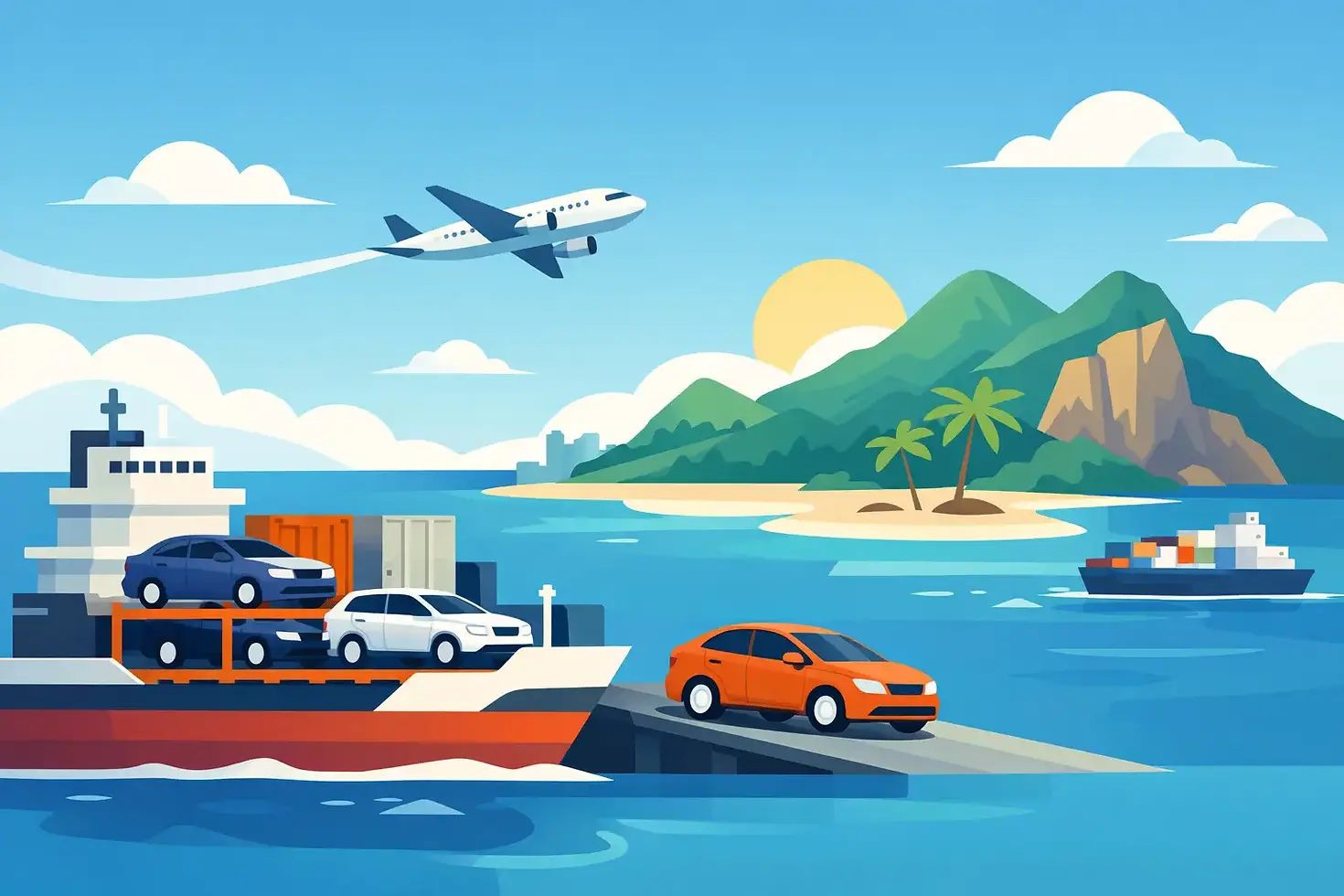
Car Shipping to Guam: What to Expect
- Shawn Anderson

- Jun 12
- 6 min read
Getting a vehicle from the mainland to Guam is not the same as booking a standard state-to-state carrier. Car shipping to Guam usually involves a combination of inland transport, port handling, ocean transit, and final pickup or delivery coordination. If you are relocating, buying a vehicle from the mainland, or sending one to family, the process is manageable - but it helps to know where delays, costs, and paperwork tend to show up.
Guam is a U.S. territory, but shipping there still has an overseas rhythm. That means longer lead times, more handling points, and a tighter focus on documentation and vehicle condition. The good news is that once you understand how the move is structured, it becomes much easier to plan around.
How car shipping to Guam usually works
Most shipments start with one of two paths. Either the vehicle is picked up from your home or business and moved to a mainland port, or you deliver it directly to the port yourself. From there, the vehicle is processed, loaded for ocean transport, shipped to Guam, and then released to the receiving party once it arrives.
For many customers, the inland portion is the part that feels familiar. That may be open trailer transport for a standard sedan or SUV, enclosed transport for a collector vehicle, or specialized equipment if the unit sits low, does not run, or needs extra care. The port portion is where things become more specific. Ports work on cutoffs, paperwork deadlines, and inspection standards. If any part of the file is missing, the shipment can be pushed to a later sailing.
Once the vehicle is on the water, timing becomes less flexible. Ocean schedules are more structured than domestic truck routes, but they are still affected by weather, port congestion, vessel availability, and customs-style clearance procedures at destination.
What affects the price
The biggest cost factor is distance from the pickup point to the departure port. A vehicle moving from California to port will usually cost less on the inland side than one moving from the Midwest, Texas, or the East Coast. Ocean freight is another major piece, and that price can vary by vehicle size, current lane demand, and carrier schedule.
Vehicle dimensions matter more than some customers expect. A full-size truck, lifted SUV, or oversized van can cost more than a standard sedan because it takes up more space and may require special handling. If the vehicle is inoperable, pricing can also rise because port staff and transport carriers need equipment to load and unload it safely.
Timing plays a role too. If you are working with a narrow move window, expedited inland transport may add cost. On the other hand, if your dates are flexible, you often have more room to choose practical routing and better pricing.
Documents and requirements that matter
Paperwork is where avoidable problems usually happen. For car shipping to Guam, you should expect to provide the vehicle title or lienholder authorization, valid identification, booking details, and a signed shipping form. If the car is financed, you may need written permission from the lender before it can be moved overseas.
The name on the shipping documents should match the ownership records or authorized party information. Even small mismatches can slow release at the port. If someone else will receive the vehicle in Guam, that should be set up clearly in advance.
Cleanliness matters more than people think. Vehicles often need to be free of heavy dirt, mud, plant debris, and excessive personal property. Port and agricultural inspection standards can be strict, and a dirty vehicle may be rejected or delayed until it is cleaned.
Preparing your vehicle for Guam shipping
A little prep saves time and reduces the chance of a problem at handoff. The vehicle should be in safe operating condition unless it is being booked as non-running. Tires should be inflated, the battery should hold a charge, and there should be no major fluid leaks. A quarter tank of gas is usually enough. More than that just adds weight.
Remove loose personal items, toll tags, parking passes, and valuables. Ocean shipping and port handling involve movement through multiple checkpoints, so it is better to keep the interior clear. If you are sending accessories like floor mats, charging cables, or removable electronics, ask first whether they can stay in the vehicle.
Take clear photos from all angles before pickup or port drop-off. Include close shots of existing dings, scratches, wheel condition, and the windshield. This gives you a clean record of the vehicle's condition before transport begins.
Port-to-port vs. door-to-port service
One of the main decisions is how much of the logistics you want to handle yourself. Port-to-port service can be a good fit if you live near the departure port and have flexibility on both ends. It may save money, but it also means you are responsible for getting the vehicle to the port, meeting cutoff times, and handling more of the coordination.
Door-to-port service is easier for many families, relocations, and busy buyers. The vehicle is picked up inland and moved to the port as part of one arranged plan. That does not make the ocean portion faster, but it does reduce the number of moving parts you need to manage on your own.
If the vehicle is high-value, classic, exotic, or extra low to the ground, it is worth asking whether enclosed inland transport makes sense before the ocean leg begins. The right setup depends on the car, your timeline, and your budget.
How long it takes
Transit to Guam is not a next-week service in most cases. The total timeline usually includes inland scheduling, port processing, vessel departure, time at sea, and destination release. Even when everything goes right, there are several stages where timing can shift by a few days.
The inland move may take a few days to arrange depending on where the vehicle starts. Port cutoffs can add waiting time if the vehicle arrives just after a booking deadline. Once the car is loaded onto a vessel, the ocean leg follows the sailing schedule rather than the trucking schedule.
That is why the best approach is to plan early rather than chase a last-minute move. If your relocation has a firm date, give yourself enough room for the vehicle to move on a realistic schedule instead of the most optimistic one.
Common issues and how to avoid them
The most common problem is incomplete paperwork. The second is misunderstanding the timeline. Customers sometimes assume the ocean leg works like express freight, when in reality it follows a fixed transport chain with inspections and handoffs.
Another issue is leaving personal items in the vehicle without approval. Some ports and carriers restrict what can remain inside, and undeclared items can create delays or extra charges. Oversized vehicles can also be a surprise point on pricing, especially if height or width exceeds standard limits.
Good communication solves a lot. Confirm the exact pickup address, port instructions, delivery or release plan in Guam, and the contact information for everyone involved. A hands-on transport coordinator can help keep those details aligned before the vehicle starts moving.
Who should plan extra carefully
If you are relocating with family, buying a vehicle remotely, shipping a financed car, or moving a non-running vehicle, build in extra time. These situations are common, but they leave less room for missing paperwork or rushed decisions.
Military-connected moves, seasonal relocations, and dealership shipments also benefit from early scheduling. If you know your target month, do not wait until the last week to ask for options. Guam shipping is easier when the plan is built around vessel schedules from the start.
For customers who want practical guidance instead of guessing through each step, working with a company that already arranges transport to Guam can make the process much smoother. Vice Auto Transport, operating as Vice One Logistics, is one example of a shipper that handles both mainland vehicle movement and offshore destinations, which matters when your transport needs more than just a truck.
Is shipping your car to Guam worth it?
That depends on the vehicle and your situation. If you already own a reliable car that fits Guam's roads and your long-term needs, shipping it can make more sense than replacing it after arrival. If the vehicle is older, oversized, or close to needing major repairs, buying on island may be the better move.
The right decision comes down to total cost, timing, and how much value the vehicle has to you. A paid-off car with a known service history often looks a lot better once you compare it to the cost and uncertainty of finding another vehicle after you land.
The process is not difficult when it is set up correctly. Give yourself time, get the paperwork right, and ask questions before the vehicle heads to the port. That kind of planning keeps car shipping to Guam straightforward and gives you one less thing to worry about during a major move.


Comments