.png)


How to Prepare Vehicle Shipping Right

A missed spare key, a half-full gas tank, or a dead battery can turn pickup day into a delay you did not need. If you are wondering how to prepare vehicle shipping without last-minute problems, the good news is that the process is usually straightforward when you handle a few details early.
Whether you are moving across the country, buying a car from another state, shipping to Alaska or Hawaii, or coordinating transport for a motorcycle, truck, or specialty vehicle, preparation matters. It protects your schedule, helps the carrier do the job safely, and gives you a clearer handoff at pickup and delivery.
How to prepare vehicle shipping before pickup
The best time to start is a few days before your scheduled transport window, not the night before. Most shipping issues are not major mechanical failures. They are simple things like blocked access, missing paperwork, loose accessories, or a vehicle that will not start when the driver arrives.
Start by confirming the basic shipment details. Make sure the pickup and delivery addresses are correct, your contact number is current, and the carrier has any gate codes, lot instructions, or timing restrictions. If you are shipping from a tight residential street, apartment complex, or downtown area, the truck may need to meet you at a nearby parking lot or open commercial space. That is normal. Large transport equipment cannot always safely reach every driveway.
Next, think honestly about the condition of the vehicle. A standard running sedan has different needs than a lifted truck, a low-clearance sports car, or a unit with mechanical issues. If the vehicle leaks fluids, has brake problems, does not steer properly, or needs a winch because it does not run, that needs to be disclosed before pickup. The right equipment can be arranged, but surprises on loading day usually cause delays and extra cost.
Clean the vehicle and document its condition
One of the most practical steps in how to prepare vehicle shipping is washing the exterior. This is not about presentation. Dirt hides scratches, chips, dents, and scuffs that need to be visible during the inspection. A clean vehicle makes the pickup condition report much more accurate.
After cleaning, take clear photos from all sides. Get wide shots of the front, rear, both sides, and all four corners. Then take close-up photos of any existing damage. If there are cracked lights, wheel rash, bumper marks, hail dents, or paint issues, photograph those too. Use good lighting and save the images with a date stamp if possible.
The inspection at pickup is a key part of the process, but your own photos give you a useful record. That matters even more for classic cars, luxury vehicles, motorcycles, or auction purchases where condition disputes can be more sensitive.
Inside the vehicle, remove trash and any loose items that could move around in transit. Carriers are focused on transporting the vehicle itself, not household goods. Personal items may also add weight, create liability issues, or violate carrier rules. A few factory-installed items are fine, but packed boxes, sports gear, tools, and electronics should be taken out unless you have specific approval.
Mechanical and safety checks that matter
Your vehicle does not need a full service appointment before transport, but it does need to be safe to load and unload. The battery should be charged, the tires should hold air, and the brakes should work. If the vehicle is operable, the carrier needs to be able to drive it on and off the trailer.
Check for fluid leaks under the vehicle. A major oil, coolant, or transmission leak can create a loading issue, especially on multi-car trailers. If the leak is minor, disclose it. If it is active or severe, the shipment may need different handling.
Fuel level matters too. Keep the tank around one-quarter full. That is enough for loading and unloading, but not so much that it adds unnecessary weight. A full tank is not helpful in transport.
If your car has an alarm system, make sure it is turned off or that you provide clear instructions. If it has a custom kill switch, a tricky ignition sequence, or a battery disconnect, tell the driver in advance. Modern vehicles can have quirks, and a simple note can prevent a lot of confusion.
For EVs, check charge levels and ask for any shipment-specific instructions. For oversized trucks, modified vehicles, or equipment, dimensions matter. Height, weight, tire size, and ground clearance can affect trailer choice. This is one of those situations where details upfront save time later.
Paperwork, keys, and what to leave with the driver
Most domestic shipments do not require a stack of documents, but you should still be organized. Have your registration and photo ID available if needed, and make sure the name on the booking matches the person releasing the vehicle or is clearly authorized.
You should also have at least one working key ready for the carrier. If the vehicle has a chipped key, push-button start fob, wheel lock key, or special storage compartment release, mention that. For some vehicles, especially higher-end or specialty models, it is smart to keep your spare and provide only the key needed for transport.
If you are not available at pickup or delivery, assign someone you trust to meet the driver and inspect the vehicle. That person should know the condition of the car, understand the schedule, and have authority to sign the inspection report.
For port-related moves or shipments involving Hawaii, Puerto Rico, Guam, Alaska, or the U.S. Virgin Islands, requirements may be stricter. You may need additional documentation, cleaner vehicle standards, or tighter rules about personal contents. That is where working with an experienced logistics team helps, because the process can vary depending on route, port, and carrier requirements.
How to prepare vehicle shipping for different transport types
Not every shipment is loaded the same way, so preparation should match the transport method. If you are using open transport, expect normal exposure to weather and road dust. That is the most common and budget-friendly option for standard vehicles.
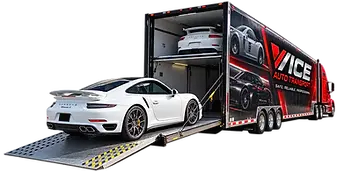
If you are shipping a collector car, exotic vehicle, show car, or anything with delicate finishes, enclosed transport may be the better fit. Preparation is similar, but documentation becomes even more important, and low-clearance concerns should be discussed in advance.
For inoperable vehicles, heavy equipment, oversized trucks, or freight-style loads, the process may involve a flatbed, step-deck, hotshot truck with ramps, or other specialized equipment. In those cases, the real preparation happens during planning. Accurate dimensions, honest condition details, and site access information matter more than anything else.
This is also where trade-offs come in. Open transport usually costs less and is widely available, but enclosed shipping offers added protection. Door-to-door service is convenient, but the truck may still need a nearby meeting point if your street is too tight. Faster scheduling can be possible, but it depends on route demand, trailer availability, and whether your vehicle needs specialized handling.
Pickup day and delivery day expectations
On pickup day, be reachable. Drivers are working on tight routes, and a missed call can push everything back. Plan to inspect the vehicle with the driver and review the bill of lading or condition report. This is the document that notes the vehicle's visible condition at the time of pickup.
Take a final walk around before handing over the keys. Make sure windows are closed, the parking brake is working, and any removable toll tags or parking passes are out of the car. Toll tags can sometimes register while the vehicle is being transported, so it is best not to leave that to chance.
At delivery, inspect the vehicle before signing the final paperwork. Do it in daylight if possible, or use a flashlight if arrival is after dark. Compare the condition to your pickup photos and the inspection report. If there is an issue, note it on the paperwork immediately and discuss next steps before the driver leaves.
A good transport experience usually comes down to communication and preparation, not luck. At Vice Auto Transport, the goal is to make that process simpler by helping customers match the right service and trailer type to the actual job.
If you handle the vehicle prep early, stay honest about the condition, and keep pickup day simple, shipping feels a lot less complicated. The smoother the handoff, the smoother the trip.


Comments