.png)


When to Use an Enclosed Car Transport Service

A rock chip on a daily driver is annoying. A rock chip on a restored classic, exotic, or freshly painted vehicle is a very different problem. That is usually the point where an enclosed car transport service stops feeling like an upgrade and starts feeling like the right call.
For many vehicles, open shipping does the job well and keeps costs down. But some cars need more protection, more privacy, and more careful handling from pickup to delivery. If you are moving a high-value vehicle, buying from out of state, relocating with a collector car, or trying to avoid unnecessary exposure to weather and road debris, enclosed transport deserves a serious look.
What an enclosed car transport service actually does
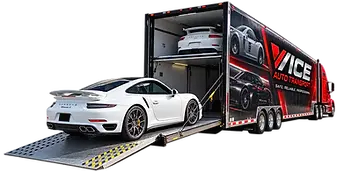
An enclosed car transport service moves vehicles inside a covered trailer rather than on an open carrier. That sounds simple, but the difference matters. Your vehicle is shielded from rain, sun, dust, road salt, loose gravel, and a lot of the exposure that comes with highway transport.
It also tends to involve a different level of handling. Enclosed shipments are often used for vehicles with low ground clearance, custom finishes, luxury value, or collector status. Because of that, the carriers that run enclosed trailers are usually accustomed to tighter loading standards and more condition-sensitive deliveries.
That does not mean every enclosed move is identical. Some trailers carry multiple vehicles. Others are set up for more limited loads and specialty handling. Depending on the route and the vehicle, the best option may be a standard enclosed trailer, a lift-gate setup, or another specialized piece of equipment.
Who should consider enclosed car transport service
This option makes the most sense when the vehicle itself changes the risk calculation. If you are shipping a rare classic, a restored muscle car, an exotic, a luxury model, or a vehicle headed to auction or show, enclosed transport is often the safer choice.
It is also a smart option for newer vehicles with sensitive paint protection, custom wraps, or modifications that make them harder to load on standard equipment. Low-profile cars, specialty builds, and vehicles with oversized wheels or reduced clearance can benefit from more controlled loading conditions.
There is also the simple issue of peace of mind. Some customers choose enclosed shipping not because the car is irreplaceable, but because they want fewer variables. If you just bought a vehicle online and have never seen it in person, paying more for a covered trailer can feel worth it.
When open transport may still be the better fit
Enclosed shipping is not automatically the right answer for every move. If you are transporting a standard commuter vehicle, SUV, or truck and your top priority is cost, open transport is usually the more practical option.
Open carriers are more common, easier to schedule on many lanes, and generally less expensive. For everyday vehicles, that makes sense. Most cars on US highways are shipped this way every day without issue.
The real question is not which method sounds better. It is which method fits the vehicle, route, timeline, and budget. If protecting value is the top priority, enclosed transport usually wins. If you are balancing safe delivery with lower cost, open may be the better fit.
What you are paying for with enclosed transport
The price difference comes from more than just the trailer walls. Enclosed capacity is more limited than open transport, and that affects availability. These carriers may haul fewer vehicles at a time, cover more specialized routes, and spend extra time on loading and positioning.
You are also paying for reduced exposure. Covered transport helps protect against weather, road grime, and debris during long-distance moves. That can matter a lot on cross-country routes, winter shipments, and trips that run through areas with unpredictable conditions.
For high-value vehicles, the extra cost can be easier to justify than the cost of correcting damage to paint, trim, or bodywork. For a standard vehicle, that same price increase may not make financial sense. This is where a good quote conversation matters. The right recommendation depends on what you are shipping and where it needs to go.
Questions to ask before booking enclosed shipping
Before you book, make sure the service matches the vehicle and not just the label. Ask what type of enclosed trailer will be used and whether the carrier has experience with similar vehicles. If your car sits low, has a custom body kit, or needs extra care during loading, bring that up early.
You should also ask about pickup and delivery access. Large carriers cannot always reach narrow residential streets, steep driveways, apartment complexes, or urban areas with truck restrictions. In those cases, the handoff may happen at a nearby open lot or another safe meeting point.
Transit time is worth discussing too. Enclosed routes can be slightly less flexible simply because there are fewer of those trailers on the road compared with open carriers. That does not mean service will be slow, but it does mean scheduling may need a little more planning.
Preparing your vehicle for an enclosed move
Even with added protection, the prep process is mostly the same as any professional shipment. The vehicle should be clean enough for a clear inspection. Existing scratches, chips, dents, and cosmetic issues should be documented before pickup.
Remove personal items unless you have been told otherwise. Fold in mirrors when appropriate, check for fluid leaks, and make sure the battery is charged and the tires are properly inflated. If the vehicle has quirks like a hidden battery switch, tricky alarm system, or special starting process, tell the transporter in advance.
For collector and specialty vehicles, it also helps to share exact dimensions and clearance details. A few inches can make a big difference when planning the safest loading method.
Enclosed transport for long-distance and non-mainland moves
This is where logistics experience starts to matter more. Shipping a vehicle from one mainland state to another is one thing. Coordinating a move involving Alaska, Hawaii, Puerto Rico, Guam, or the U.S. Virgin Islands adds more steps, more timing considerations, and often a combination of overland and port-based handling.
An enclosed trailer may be used for the domestic leg, while port procedures or overseas-style movement may shape the rest of the route. Customers in these situations usually need more than a basic quote. They need clear communication about how the vehicle moves between points, what equipment is involved, and where responsibilities shift.
That is one reason some customers prefer working with a company that handles both standard US routes and more complex destination planning. Vice Auto Transport is one example of a provider that supports both continental shipping and non-contiguous US destinations, which can be helpful when a move does not fit the usual state-to-state pattern.
How to tell if a quote is realistic
A low quote can be tempting, especially if you are already stretching the budget for enclosed service. But vehicle shipping works best when expectations are realistic. If one price is dramatically lower than the rest, ask why.
Sometimes the difference comes down to route timing, trailer availability, or how pickup windows are being presented. Sometimes it is simply not a serious number. A realistic enclosed quote should reflect the vehicle type, route, season, flexibility, and level of handling required.
The best conversations are straightforward. Give accurate zip codes, share the make and model, mention any modifications, and explain whether your dates are fixed or flexible. The more complete the information, the more useful the quote will be.
The real value of enclosed shipping
The main benefit is not just that the trailer is covered. It is that enclosed transport is built for situations where condition matters more than saving the last dollar. That could mean preserving a concours finish, protecting an online purchase, or reducing stress during a long-distance move.
There is still no one-size-fits-all answer. Some customers absolutely need enclosed service. Others simply prefer it. And many are better served by open transport once they compare the vehicle, route, and budget side by side.
If you are not sure which direction to go, start with the car itself. Ask what would bother you more after delivery - paying extra up front, or wishing you had chosen more protection. That answer usually points you in the right direction.


Comments