.png)


Car Shipping Quotes Explained Clearly

A quote that looks great at first glance can get expensive fast if it leaves out timing, route difficulty, vehicle size, or the right trailer. That is why car shipping quotes matter so much. They are not just numbers on a screen. They are a snapshot of market conditions, equipment availability, and the level of service your move actually requires.
If you are shipping a family SUV across a few states, buying a car online, moving for work, or arranging transport to Alaska, Hawaii, Puerto Rico, Guam, or the U.S. Virgin Islands, the quote tells you more than price alone. It also shows whether the company understands your route, your schedule, and the kind of handling your vehicle needs.
What car shipping quotes really include
A solid quote reflects the basics first: where the vehicle is going, where it is coming from, what type of vehicle it is, and how soon it needs to move. From there, the details start to shape the rate. A standard sedan on an open carrier traveling a common route is usually easier to price than a lifted truck going to a rural area or a classic car that needs enclosed transport.
Good car shipping quotes also account for access. Door-to-door service is convenient, but it depends on whether a carrier can safely get down your street, into your neighborhood, or near your delivery point. If low trees, tight turns, HOA restrictions, or city traffic make that difficult, the plan may shift to a nearby meeting point. That does not mean the service is worse. It means the quote is being built around what is realistic.
For offshore and port-related moves, the quote may include a different service format, such as door-to-port or port-to-door. Those shipments can involve additional coordination, scheduling windows, and handling requirements. If a quote for an island or overseas-style route looks surprisingly close to a standard mainland move, it is worth asking what is actually included.
Why prices vary more than people expect
Many customers assume auto transport pricing works like parcel shipping. It does not. A vehicle takes up trailer space, adds weight, and has to fit a route that makes sense for the carrier. That means pricing can move with the market.
Fuel prices play a role, but they are only one part of it. Seasonality often has a bigger effect than people think. Snowbird traffic, summer relocation demand, and major weather events can tighten capacity and raise rates. The same route may price differently in January than it does in April.
Vehicle type matters too. Larger SUVs, trucks, vans, and modified vehicles can cost more because they take up more room and may limit how a carrier loads the trailer. Inoperable units may require special equipment such as a winch or a trailer with ramps, which changes the quote again.
Then there is route popularity. Shipping between major metro areas is often more straightforward than moving a vehicle to or from a remote town. Common routes attract more carriers. Less common routes may require more planning and fewer available trucks, which can increase the price even if the mileage is not extreme.
How to compare car shipping quotes without missing the fine print
The lowest number is not always the best deal, and the highest number is not always the safest option. What matters is whether you are comparing the same service.
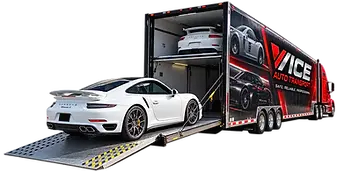
Start by checking the transport method. Open transport is the most common and budget-friendly option for everyday vehicles. Enclosed transport costs more, but it offers added protection for classics, exotics, luxury vehicles, and cars with delicate finishes. If one quote is for open and another is for enclosed, the comparison is not apples to apples.
Next, look at the pickup window and delivery expectations. Some quotes reflect flexible scheduling, while others are built around tighter timing. Faster service or narrower pickup windows can affect price because they reduce the carrier's ability to optimize the route.
You should also ask whether the quote is based on the vehicle being operable. A non-running vehicle changes equipment needs. If that detail is not disclosed upfront, the final cost can change once the carrier arrives.
Insurance and handling matter as well. You want clarity on the carrier's cargo coverage and on the inspection process at pickup and delivery. A professional quote should support a professional process, not just a quick price.
The biggest factors that affect your rate
Distance and route type
Longer trips usually cost more overall, but the cost per mile often drops on longer routes. Shorter moves can seem expensive on a per-mile basis because the truck still has fixed operating costs. A route between major cities may be priced more efficiently than a shorter trip into a hard-to-reach area.
Vehicle size and condition
Compact cars are simpler to load than oversized trucks or custom vehicles. If your vehicle has low ground clearance, oversized tires, roof racks, or does not run, mention it right away. Those details affect trailer choice and loading strategy.
Open vs. enclosed transport
Open carriers are the standard choice for most vehicles. Enclosed trailers offer more protection from road debris and weather, but they also have less capacity and higher operating costs. That added care is often worth it for specialty vehicles, but not every shipment needs it.
Timing and season
If your dates are flexible, you usually have more pricing options. If you need immediate pickup or are shipping during a peak season, expect rates to reflect that urgency. Weather can also affect scheduling, especially on long routes or moves involving ports and non-contiguous destinations.
When a quote seems too low
A very cheap quote can be a warning sign. Sometimes it means the route was priced without enough attention to current market conditions. Other times it means key details were left out, with the expectation that the cost will be adjusted later.
That does not mean every low quote is bad. It does mean you should ask a few direct questions. Is the vehicle operable? What trailer type is included? Is the route residential door-to-door, terminal-based, or port-related? Are there any conditions that could increase the amount later?
Straight answers matter here. If the company cannot explain how the rate was built, that is usually a sign to keep looking.
Getting a more accurate quote the first time
The fastest way to get a useful quote is to be specific. Give the exact pickup and delivery zip codes, the year, make, and model, and whether the vehicle runs and drives. Mention oversized features, aftermarket modifications, or if the car sits especially low. If you need enclosed transport, say so upfront.
It also helps to be honest about timing. If you can work with a date range instead of a single day, say that. Flexible scheduling can make a real difference. If the vehicle is headed to a port, coming from an auction, or moving as part of a household relocation, include that too. The more complete the picture, the more dependable the quote.
For customers with specialized needs, the quote process should also match the equipment required. Not every move belongs on a standard auto carrier. Some shipments need a flatbed, hotshot truck with ramps, step-deck, or RGN depending on the vehicle or machinery involved. A quote is only helpful if it matches the job.
What first-time shippers should expect
If you have never shipped a vehicle before, the process is simpler than it looks when the quote is built correctly. After pricing, the next step is usually scheduling within a pickup window. At pickup, the vehicle is inspected and its condition is documented. The same happens at delivery.
The main thing to understand is that transport is a logistics service, not a guaranteed minute-by-minute appointment. Traffic, weather, route changes, and truck availability can affect timing. A good quote sets realistic expectations from the start instead of promising perfect precision that the road does not always allow.
That is one reason direct communication matters. A hands-on company can explain options clearly, answer route-specific questions, and help you decide whether open, enclosed, or specialized equipment makes the most sense. For customers shipping across the mainland or to places many brokers do not handle well, that guidance can save time and prevent costly mistakes.
Vice Auto Transport works with customers in exactly these situations, from everyday door-to-door shipments to more complex port and territory moves. The value is not just in giving a number. It is in making sure the number fits the move.
A smart quote is about fit, not just price
The best quote is the one that matches your vehicle, your route, and your schedule without leaving you guessing. Sometimes that means paying a little more for enclosed protection or better timing. Sometimes it means choosing open transport on a flexible schedule to keep the move budget-friendly.
If you approach car shipping quotes with the right questions, you will spot the difference between a real plan and a rough guess. That puts you in a better position to book with confidence and keep the move on track from pickup to delivery.


Comments