.png)


Buying a Car Out of State Without Surprises

That hard-to-find truck in Texas, the lower-mile SUV in Florida, the collector car sitting in Arizona - buying a car out of state can open up far better options than whatever is parked on a local lot. It can also create problems fast if you treat it like a normal local purchase. The car may be great, but the paperwork, taxes, title timing, shipping, and inspection details are where buyers usually get burned.
If you are buying from another state, the goal is not just getting a better deal. The goal is getting the right vehicle home legally, on time, and in the condition you expected. That takes a little planning before money changes hands.
Why buying a car out of state can make sense
Sometimes the reason is price. A vehicle may be cheaper in another region because of local supply, seasonal demand, or dealership incentives. Sometimes it is selection. If you want a specific trim, a rare color, a one-owner classic, or a work truck with the right setup, widening the search area can save weeks of compromise.
For families relocating, military households, snowbirds, and online buyers, out-of-state purchases are also practical. You may need the vehicle delivered to a new home, a port, or a temporary address. In those cases, transport is part of the transaction, not an afterthought.
Still, the cheapest listed price is not always the cheapest final cost. Shipping, taxes, dealer fees, temporary tags, inspections, and registration all affect the real number. That is where a lot of buyers misjudge the deal.
Start with the total cost, not the sale price
Before you commit, build the full cost of buying a car out of state. That means the purchase price, dealer doc fees or private-party costs, sales tax rules in your home state, registration, title fees, insurance, and transport or travel costs.
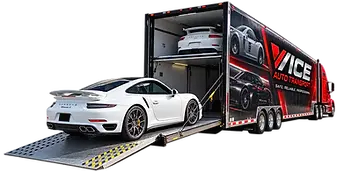
If you plan to fly out and drive the vehicle back, include airfare, fuel, hotel, meals, and the risk of learning about a mechanical issue on the way home. If you plan to ship it, get a transport quote early so you are not guessing. Open transport is often the budget-friendly choice for standard vehicles. Enclosed transport usually makes more sense for luxury, exotic, classic, or high-value vehicles where added protection matters.
A good deal still needs to be a workable deal. Saving $1,200 on the sticker price does not help much if you spend $1,500 getting the vehicle home and registered.
What to check before you send money
Distance makes trust more important. Ask for the VIN and run a vehicle history report. Then confirm the seller's name matches the title or dealership paperwork. Review service records if available, and ask for current photos that clearly show each side of the vehicle, the wheels, the roofline, the interior, the odometer, and any damage.
It also helps to ask for a cold-start video and a walkaround video. That is not overkill. It is a practical way to catch warning lights, rough idle, smoke, unusual noises, or cosmetic issues that do not show up well in polished listing photos.
If the vehicle is being sold by a private party, verify there is no active lien unless the payoff process is clearly documented. If a bank still holds the title, you need to know exactly how and when that title will be released. Delays there can turn a simple purchase into a registration headache.
Always get an independent inspection
One of the smartest steps in buying a car out of state is paying for an independent pre-purchase inspection. Even if the car looks clean and the seller sounds honest, an inspection gives you a neutral read on condition.
This matters even more for used vehicles, performance cars, diesel trucks, and anything older or modified. A mechanic can catch leaks, frame issues, worn tires, hidden accident repairs, suspension problems, and trouble codes that may not be obvious in photos. That small upfront cost can save thousands and may also give you negotiating leverage.
There are times when an inspection may matter less, such as a brand-new car from a franchised dealer. Even then, you still want to confirm the exact equipment, mileage, warranty start date, and whether there has been any lot damage or transport repair.
Understand taxes, title, and registration rules
This is where many buyers assume too much. In most cases, you register the vehicle in your home state and pay taxes there, but the process can vary depending on where you bought the car, whether the seller is a dealer or private party, and whether any reciprocal tax rules apply.
Ask your local DMV what documents you will need before the deal closes. Usually that includes the signed title or manufacturer certificate of origin, bill of sale, odometer disclosure if required, lienholder information if financed, and proof of insurance. Some states also require emissions or VIN verification before registration.
Temporary tags are another detail to settle early. If the vehicle will be driven before shipping, or driven home instead of transported, make sure the seller provides legal temporary registration where applicable. Do not assume a plate can simply stay on the vehicle. Plate rules differ by state, and getting this wrong can create a problem before the trip even starts.
Financing and insurance can slow things down
Cash deals are usually simpler, but many out-of-state purchases involve financing. Some lenders are comfortable with remote purchases and some are not. They may require specific paperwork, dealer participation, title handling procedures, or extra time to fund the transaction.
If you are financing, talk to the lender before you negotiate the final deal. Confirm whether they finance private-party purchases, whether they need the original title in advance, and how they handle interstate transactions.
Insurance also needs to be lined up before pickup or transport. Most carriers can add the new vehicle quickly, but do not leave that until the last minute. You want proof of coverage in place before the car moves.
Shipping vs. driving it home
There is no one right answer here. If the vehicle is close enough, mechanically sound, and you have time, driving it home can be reasonable. It may even be enjoyable if you are buying something special.
But shipping often makes more sense than people expect. It avoids wear and tear, keeps miles off the vehicle, reduces the chance of a roadside issue, and saves time. It is especially useful for non-running vehicles, collector cars, motorcycles, and vehicles headed to Alaska, Hawaii, Puerto Rico, Guam, or the U.S. Virgin Islands where port coordination may be part of the move.
The right transport setup depends on the vehicle and the route. Open trailers work well for many everyday cars, trucks, and SUVs. Enclosed trailers are better when exposure, value, or condition is a concern. Some shipments require flatbeds, hotshot service with ramps, step-decks, or more specialized equipment. Buyers who set this up early usually have a smoother handoff because pickup windows, seller availability, and document timing can all be coordinated in advance. That is where a hands-on transport partner like Vice Auto Transport can make the process a lot easier.
Common mistakes buyers make
The biggest mistake is rushing because the listing looks perfect. Buyers wire deposits too quickly, skip inspections, or assume the dealer will handle every document correctly. Another common mistake is focusing on price and ignoring logistics. A low-priced vehicle in a difficult lane or remote area may be harder and more expensive to move than expected.
Some buyers also fail to confirm exact condition at pickup. If the vehicle is being transported, it should be documented carefully before loading. Good photos and a clear condition report protect everyone if there is a dispute later.
Then there is timing. Titles can take longer than expected. Dealer processing can lag. Weather can shift transport schedules. Ports and remote areas may add more steps. If you need the vehicle by a hard deadline, build in extra time.
A simple way to keep the process under control
Treat the purchase and the transport as one transaction, not two separate jobs. Verify the seller, inspect the car, confirm paperwork, line up insurance, and arrange shipping before final payment whenever possible. That order matters.
It also helps to keep communication tight. Get names, phone numbers, and direct contacts for the seller, the lender if applicable, and the transport coordinator. When everyone knows the pickup address, release timing, and destination details, there is less room for delay and confusion.
Buying across state lines is not unusually risky. It just rewards buyers who ask a few more questions and plan a few more steps ahead. If the vehicle is right, the seller is verified, and the transport is coordinated properly, distance stops being the problem people think it is. It becomes one more detail you already handled before the keys ever change hands.


Comments