.png)


Puerto Rico Auto Transport Explained

Shipping a car to or from the island is not the same as booking a standard state-to-state move. Puerto Rico auto transport adds port scheduling, ocean transit, paperwork, and pickup timing into the mix, so the right plan matters from day one. If you know what to expect before your vehicle is booked, you can avoid delays, surprise fees, and a lot of back-and-forth.
For most customers, the goal is simple. You want your vehicle moved safely, on a realistic timeline, and at a fair price. That could mean sending a family SUV from Florida to San Juan, bringing a car back to the mainland after a relocation, or coordinating transport for a dealership or fleet. The basics are straightforward, but the details can change based on where the vehicle starts, where it needs to go, and how much flexibility you have.
How Puerto Rico auto transport works
Most Puerto Rico moves happen in stages rather than one continuous trip. First, the vehicle is picked up in the continental U.S. or dropped off at a designated port area. Then it is processed for ocean shipment, loaded for transit, and delivered after arrival in Puerto Rico or returned to the mainland through the same type of sequence.
That matters because your quote is usually built around more than one leg of transport. A door-to-port move includes inland trucking plus ocean shipping. A port-to-door move starts at the port and finishes with local delivery. Door-to-door service can be available, but it depends on the exact locations, access for carriers, and the shipping schedule at the port.
The easiest way to think about it is this: mainland trucking and island or port logistics are connected, but they are not identical services. A clean handoff between those stages is what keeps the shipment moving.
What affects the price
The biggest factor is distance on the mainland side. A vehicle leaving from Miami or Jacksonville is generally less expensive to move than one starting in Colorado or Washington state because there is less inland mileage before it reaches the port. If the vehicle is already near a shipping hub, that helps.
Vehicle size also matters. A compact sedan typically costs less than a full-size truck, lifted SUV, or oversized van. Heavier and larger vehicles take up more space and may require different handling. If your vehicle has modifications, low ground clearance, or oversize dimensions, mention that early. Those details can change equipment needs and pricing.
Seasonality plays a role too. Summer relocations, holiday periods, and weather-related congestion can tighten carrier availability and push rates up. If your dates are flexible, you usually have a better shot at a more budget-friendly schedule.
Then there is service level. Open carrier transport on the mainland is usually the most economical option for standard vehicles. Enclosed transport costs more but can make sense for collector cars, exotic vehicles, or anything that needs more protection from road exposure before it reaches the port.
Timing depends on more than ocean transit
A common mistake is assuming the water portion is the only timeline that matters. In reality, Puerto Rico auto transport depends on carrier availability, booking cutoffs, port processing, vessel schedules, and final delivery coordination.
Inland pickup may happen quickly in one market and take longer in another. Port processing can move smoothly when paperwork is complete, but any missing document can slow things down. On the arrival side, timing depends on release procedures and whether the vehicle is being picked up at port or delivered onward.
That is why realistic scheduling matters. If you are relocating for work, reporting for military-related movement, or trying to receive a recently purchased vehicle by a specific date, build in a buffer. Tight deadlines are possible in some cases, but flexibility usually makes the process easier and less expensive.
Documents and prep matter more than people think
Most delays do not happen because a truck broke down or a ship disappeared from schedule. They happen because the paperwork or vehicle condition was not ready when it needed to be. For standard shipments, you should expect to provide proof of ownership or authorization, valid identification, and any required booking information tied to the shipping line or port handling process.
The vehicle itself should be clean enough for inspection, especially if condition reporting is part of the pickup process. Personal items are often restricted or limited. Loose accessories, toll tags, and anything that could shift during transport should be removed. If the alarm system is sensitive, note that in advance.
You will also want the car in operable condition unless you have already arranged for non-running transport. A vehicle that does not start, steer, brake, or roll can still move, but it needs the right equipment and planning. If that information comes out late, the original schedule may no longer work.
Choosing the right transport setup
Not every shipment needs the same equipment. If you are moving a daily driver and cost matters most, open transport for the mainland leg is often the practical choice. It is widely used and usually offers the best value.
If you are shipping a luxury vehicle, classic car, or show car, enclosed transport may be worth the added cost. You are paying for more protection during the over-the-road segment, not just for peace of mind. That can be a smart trade-off when condition matters more than shaving a few dollars off the quote.
For larger commercial units, machinery, or specialty loads, standard auto carriers may not be the answer at all. Flatbeds, step-decks, hotshot trucks with ramps, and other specialized trailers can be the better fit depending on dimensions and whether the load is drivable. This is where working with a logistics company that understands both vehicle shipping and freight-style moves can save time.
Door-to-port, port-to-door, or full coordination?
The best option depends on how involved you want to be. If you can get the vehicle to a port and pick it up at the other end, port-to-port style arrangements may work. They can be efficient for experienced shippers, dealerships, or customers who already have local transportation lined up.
If convenience matters more, door-to-port or port-to-door service reduces the amount of coordination on your side. Full coordination is often the best fit for families relocating, online car buyers, and first-time shippers who do not want to piece together the move themselves.
There is no one best format for everyone. A lower quote is not always the better deal if it leaves you managing several moving parts on your own. The right plan is the one that matches your timeline, budget, and comfort level.
How to choose a Puerto Rico auto transport partner
Start with communication. If it takes too long to get a straight answer before booking, that usually does not improve once your vehicle is in transit. You want clear rate information, realistic timing, and direct guidance on what is needed before pickup or port drop.
Next, look at service range. Puerto Rico shipping works best when one company can coordinate mainland transport, ocean booking support, and final delivery options instead of leaving you to sort out each leg separately. That does not mean every shipment is identical. It means the process should feel connected, not patched together.
Experience with different vehicle types matters too. A standard sedan, a lifted truck, a motorcycle, and a piece of equipment all move differently. A provider that handles multiple transport formats can usually offer better solutions when the shipment is not perfectly standard.
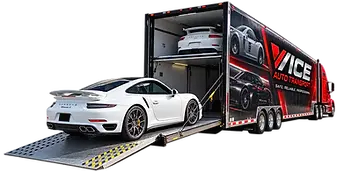
This is where companies like Vice Auto Transport stand out. Broad U.S. coverage, offshore destination experience, and multiple trailer options give customers more flexibility when the shipment involves both road transport and port logistics.
Mistakes to avoid
The first is waiting too long to book. Last-minute shipping can still happen, but it limits your options and may cost more. The second is guessing on dimensions or vehicle condition. If the vehicle is oversized or non-running, say so upfront.
Another issue is focusing only on the base price. Ask what is included, what the pickup and delivery format actually covers, and whether there are any conditions tied to port access, timing, or operability. A slightly higher quote with better coordination can be the better value.
Finally, do not assume Puerto Rico service works exactly like a domestic lane between two mainland cities. It is still vehicle transport, but with more checkpoints. The smoother those checkpoints are handled, the smoother your move will feel.
If you are planning ahead, asking the right questions, and working with a team that treats communication like part of the service, Puerto Rico car shipping becomes much more manageable. A good transport plan does more than move a vehicle - it gives you fewer things to worry about while everything else around your move is already demanding your attention.


Comments