.png)


Can You Ship a Non Running Car?

A car that will not start creates a different kind of shipping problem. The question is not just can you ship non running car transport jobs successfully, but what equipment it takes, how loading works, and what that means for price and timing.
The short answer is yes. Non-running vehicles are shipped every day across the country, including cars headed to repair shops, auction buyers, project car owners, military moves, estate transfers, and long-distance relocations. The key is being upfront about the vehicle’s condition from the start, because a non-operable unit needs the right trailer, the right loading method, and enough space for safe handling.
Can you ship non running car transport jobs?
Yes, but not every carrier or trailer setup is a fit. A standard operable car can usually be driven onto an open trailer with very little extra planning. A non-running car is different. If it cannot start, steer, roll, or brake normally, the carrier may need a winch, ramps, a flatbed, a hotshot with ramp access, or another specialized setup.
That is why two non-running cars do not always ship the same way. One vehicle may roll freely and only need a winch to get onto the trailer. Another may have locked wheels, low ground clearance, accident damage, or missing tires, which can change the equipment required and the total cost.
The biggest mistake people make is calling the car "not running" without explaining the full condition. From a transport standpoint, the details matter more than the label.
What counts as a non-running car?
In shipping, "non-running" usually means the vehicle cannot be driven under its own power. That may be because of a dead battery, engine failure, transmission problems, collision damage, or long-term storage. But carriers also look at whether it can steer, roll, and stop.
A car may technically not run but still be fairly easy to ship if it rolls, steers, and brakes. On the other hand, a vehicle with frozen brakes or broken suspension can require much more planning even if the body looks fine.
When requesting a quote, be ready to answer practical questions. Does it start at all? Can it be put in neutral? Do the tires hold air? Does the steering work? Are the brakes functional? Is the car lowered, damaged, or missing parts? Clear answers help avoid delays on pickup day.
Why shipping a non-running vehicle costs more
Most non-running shipments cost more than operable vehicle transport, and the reason is simple. Loading takes more time, more labor, and often more specialized equipment.
An operable car can usually be loaded in a few minutes. A non-running unit may need to be winched carefully, repositioned, or handled with extra caution to avoid underbody damage or shifting during transit. Some carriers are equipped for that work every day, while others focus mostly on standard operable loads.
Route and location matter too. If the pickup or delivery point is in a tight residential area, rural road, or place with limited trailer access, the logistics become more complex. That does not mean it cannot be done. It just means the quote should match the reality of the job.
The trailer and equipment options that make the difference
The best transport method depends on the vehicle’s condition, size, value, and route. Open transport is still common for many non-running vehicles, especially if they can roll and steer and the carrier has the right loading setup. It is usually the most budget-conscious option when available.
If the vehicle is lower to the ground, more delicate, or higher in value, enclosed transport may make more sense. This can add a layer of protection from weather and road debris while still allowing for careful loading. For some disabled vehicles, a flatbed is the cleanest option, especially when access is tight or the condition makes trailer loading difficult.
Hotshot trucks with ramps can also be useful for certain non-running cars, and more specialized freight equipment may come into play for larger units or unusual dimensions. This is where experience matters. The right setup is not about selling the most expensive option. It is about matching the vehicle to the equipment that can load it safely.
What to do before pickup
Preparation helps a non-running shipment go much smoother. If the car can be made to roll, steer, and brake safely, that gives the carrier more options. Even small fixes, like inflating tires or making sure the wheel can turn, can improve loading efficiency.
You should also remove loose personal items and secure any parts that are not fully attached. If the vehicle leaks fluids, mention that ahead of time. If the battery is dead, say so. If the car sits very low or has body damage that affects ramp clearance, disclose it before scheduling.
Photos are helpful, especially for damaged or stored vehicles. They give dispatch and the carrier a clearer picture of what they are picking up. That can prevent a situation where the truck arrives expecting a rollable project car and finds a unit with locked wheels and collapsed suspension.
Can you ship non running car door-to-door?
Often, yes. But door-to-door for a non-running car depends on truck access and the equipment assigned. If the street is wide enough and the carrier can safely load there, residential pickup and delivery may still work.
In some neighborhoods, apartment complexes, steep grades, or crowded city streets, the driver may need to meet nearby in a larger accessible area. That is normal in vehicle shipping and not specific to non-running units, though non-operable vehicles do narrow the options.
If the shipment is headed to or from Alaska, Hawaii, Puerto Rico, Guam, or the U.S. Virgin Islands, the move may involve a mix of overland and port-based handling. In those cases, condition details are even more important because every handoff has to be planned correctly.
Timing: what to expect
Non-running vehicles can take longer to schedule than standard operable cars, especially if they need a winch-capable carrier or a more specialized trailer. The route still matters a lot. Major metro-to-metro lanes usually move faster than remote pickups or uncommon destinations.
Flexibility helps. If you have a wider pickup window, there is often a better chance of finding the right carrier at a fair rate. If you need rush service, it may be possible, but pricing can increase depending on the route and equipment needed.
This is one area where direct communication pays off. A good quote should reflect not just mileage, but condition, trailer type, loading method, and timing expectations.
Common mistakes to avoid
The biggest issue is incomplete information. Saying the car is "just not starting" when it also has locked steering or flat tires can derail a pickup. Carriers plan space, time, and equipment around the details they are given.
Another mistake is assuming the cheapest quote covers everything. With non-running vehicles, low pricing can sometimes mean the condition was not fully factored in. If the carrier arrives and the car needs more work to load than expected, delays or added charges can follow.
It also helps to have a reachable contact at pickup and delivery. If the vehicle is in storage, at an auction, at a body shop, or with a family member, make sure the right person is available and knows the plan.
When professional coordination matters most
Shipping a disabled vehicle is not unusual, but it is less forgiving than standard auto transport. The more accurate the information, the better the result. For customers shipping a repairable car, a classic project, an auction purchase, or a family vehicle that quit far from home, practical coordination is what keeps the move on track.
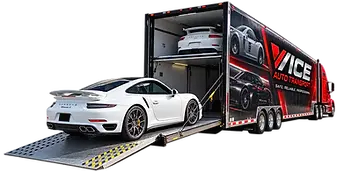
That is where a hands-on company can help sort out whether the job needs open transport, enclosed service, a flatbed, or another loading solution. Vice Auto Transport handles shipments across the continental U.S. and beyond, including Alaska, Hawaii, Puerto Rico, Guam, and the U.S. Virgin Islands, which matters when the route is not a simple point A to point B move.
If your car does not run, do not guess your way through the details. Give the full condition, ask what equipment is needed, and make sure the plan fits the vehicle you actually have. That is usually the difference between a smooth pickup and a stressful one.


Comments