.png)


Door to Door Car Shipping Explained

If you are trying to move a vehicle across the country, the biggest question usually is not whether it can be shipped. It is how much work you will have to do yourself. That is why door to door car shipping is one of the most requested transport options. It keeps the process simple by arranging pickup and delivery as close to your locations as a carrier can safely and legally reach.
For most customers, that convenience matters more than anything else. Whether you are relocating, buying a car online, sending a vehicle to family, or coordinating a dealership delivery, you want clear timing, good communication, and a driver who does not leave you guessing.
What door to door car shipping really means
Door to door car shipping does not always mean a large transport truck can park directly in your driveway. It means the carrier picks up and delivers the vehicle at or near the addresses you provide, instead of requiring you to meet at a terminal.
That difference is important. In a residential neighborhood with narrow streets, low tree branches, HOA restrictions, tight turns, or limited truck access, the driver may suggest a nearby parking lot, shopping center, wide street, or other safe meeting point. The goal stays the same - make pickup and delivery as convenient as possible without forcing an unsafe situation.
For many people, this is still far easier than terminal shipping. You are not working around storage facility hours or driving across town to drop off and retrieve your vehicle. The transport comes to you, or as close to you as practical.
Why customers choose door to door car shipping
The biggest advantage is time. If you are already managing a move, work schedule, military transfer, college drop-off, or a vehicle purchase in another state, you probably do not want another errand added to the list.
There is also less room for confusion. With direct pickup and delivery arrangements, the handoff is straightforward. You know where the vehicle will be inspected, where the bill of lading will be signed, and where the keys will change hands. That makes the process easier for first-time shippers and faster for repeat customers.
It also works well for a wide range of situations. Families moving from one state to another use it for daily drivers. Snowbirds use it to move cars seasonally. Dealers and online buyers use it to avoid putting unnecessary miles on a vehicle. Owners of collector cars often pair door-to-door service with enclosed transport for added protection.
How the process works from quote to delivery
The first step is providing the basics: pickup zip code, delivery zip code, vehicle year, make, model, running condition, and your timing. Those details help determine what kind of trailer is appropriate, how accessible the route is, and what current market pricing looks like.
Once the order is booked, dispatch works to assign a carrier that fits the route and vehicle type. Timing can vary. Some routes move quickly because they are heavily traveled. Others, especially rural areas or less common lanes, may take more planning.
At pickup, the driver inspects the vehicle and notes its condition on the bill of lading. This is standard and helps document the vehicle before transport begins. You or your designated contact will hand over the keys and confirm contact information for delivery.
During transit, communication matters. A professional setup should make it easy to get updates, especially as delivery gets closer. When the carrier arrives, the vehicle is inspected again and signed off before the job is completed.
Open vs. enclosed for door-to-door service
Most door to door car shipping moves on an open carrier because it is the most available and cost-effective option. Open transport is the standard choice for everyday cars, trucks, and SUVs. It gets the job done well for most customers and keeps pricing more budget-friendly.
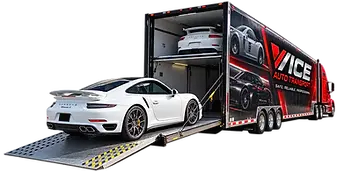
Enclosed transport is a better fit when the vehicle needs extra protection from weather and road exposure. That often makes sense for classic cars, luxury vehicles, exotic models, show cars, or any vehicle with very high sentimental or market value.
Neither option is automatically right for everyone. If you are shipping a standard commuter vehicle and watching cost, open transport usually makes sense. If the vehicle is rare, freshly restored, or difficult to replace, enclosed shipping may be worth the higher rate.
What affects the cost
Pricing is never based on distance alone. Route popularity matters a lot. Shipping between major metro areas is often more efficient than moving a car to or from a remote town, even if the mileage looks similar.
Vehicle size and weight also affect the quote. A full-size pickup generally costs more to transport than a small sedan because it takes up more trailer space and adds more load weight. Inoperable vehicles may require special equipment, which can increase cost as well.
Timing plays a role too. If you have a flexible schedule, there is often more room to coordinate a competitive rate. If you need a faster pickup or a tighter delivery window, that can affect pricing. Seasonal demand changes the market as well, especially on snowbird routes and around major relocation periods.
Then there is equipment choice. Open trailer, enclosed trailer, flatbed, hotshot with ramps, step-deck, and RGN setups all serve different needs. Standard sedans usually do not need specialized equipment, but oversized trucks, machinery, or low-clearance vehicles may.
When door-to-door service has limits
This option is convenient, but it is not magic. There are cases where exact address delivery is not possible. Urban congestion, apartment complexes, gated communities, low overpasses, soft roads, steep grades, and local truck restrictions can all change the handoff point.
That is not a red flag by itself. In fact, a driver who insists on a safer meeting location is usually protecting your vehicle and everyone around it. The real issue is whether that adjustment is explained clearly and handled professionally.
This matters even more in areas outside the continental mainland. Alaska, Hawaii, Puerto Rico, Guam, and the U.S. Virgin Islands can involve combinations like door-to-port or port-to-door service rather than a single over-the-road move. The convenience is still there, but the route structure may look different because ocean transport or port coordination is part of the job.
How to prepare your vehicle
A little prep helps avoid delays. Remove personal items unless you have been told otherwise, keep about a quarter tank of fuel, make sure the battery is charged, and check for leaks. If the vehicle has quirks like a sensitive alarm, low ground clearance, or a hard-to-open door, say so before pickup.
It also helps to wash the vehicle if possible. A clean exterior makes the inspection easier and gives both you and the driver a clearer view of its condition. Take your own time-stamped photos as a backup. That is not about expecting problems. It is just smart documentation.
If someone else will be present at pickup or delivery, make sure they are authorized and informed. A smooth handoff depends on simple things done right.
Choosing the right company for door to door car shipping
A low quote gets attention, but it should not be the only reason you book. What you want is realistic pricing, responsive communication, and a clear explanation of what service includes. If a quote seems far below the market, there is usually a reason.
Ask direct questions. Is the route open or enclosed? Is the vehicle operable? Are the pickup and delivery addresses fully truck accessible? What kind of timing should you realistically expect? Good transport coordination is not about making big promises. It is about setting accurate expectations and staying available when plans shift.
That is one reason many customers prefer working with a company that offers hands-on support instead of leaving them to sort things out alone. At Vice Auto Transport, the goal is to keep the process practical, responsive, and matched to the vehicle, route, and budget.
Is door to door car shipping worth it?
For most customers, yes. The convenience alone usually outweighs the alternatives, especially when you factor in fuel, lodging, extra mileage, wear on the vehicle, and the time it takes to drive long distance yourself.
It is not always about luxury. Often it is simply the more efficient choice. If you are balancing work, family, a move, or a vehicle transaction, taking the transport process off your plate can save more than money.
The best results usually come from being flexible where it makes sense and specific where it counts. Share accurate details, ask questions early, and work with a team that treats logistics like a service, not a guessing game. That is what makes door-to-door shipping feel less like a hassle and more like a plan.


Comments