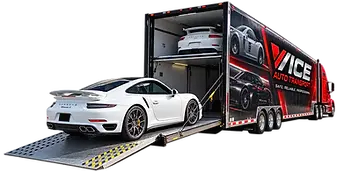


Vehicle Logistics Guide for Shipping Your Car

A car shipment is not a package delivery with a tracking number and a fixed arrival window. It is a scheduled move involving a loaded truck, legal driving hours, weather, traffic, other customers’ vehicles, and access at both ends. This vehicle logistics guide explains what actually determines your shipment’s price, timing, and level of protection - before you hand over the keys.
Vehicle Logistics Guide: Start With the Right Transport Plan
The first decision is usually open versus enclosed transport. Open carriers are the familiar multi-car trailers seen on interstate highways. They are the standard choice for daily drivers, dealer inventory, relocations, and most online vehicle purchases. They generally offer more carrier availability and a lower cost than enclosed shipping.
Enclosed transport protects the vehicle from road debris and weather during transit. It is often a sensible choice for collector cars, exotics, freshly restored vehicles, low-clearance cars, or vehicles with a high sentimental or financial value. It is not automatically necessary for every luxury vehicle, though. A newer SUV or sedan may ship perfectly well on an open carrier if the owner is comfortable with normal highway exposure and wants to keep the budget in check.
Your vehicle’s condition matters just as much as its value. A non-running car requires a carrier equipped to load it, which can affect price and availability. Let the transport coordinator know whether the vehicle rolls, steers, brakes, and starts. The same goes for modifications such as oversized tires, roof racks, lift kits, extreme lowering, or unusually low front spoilers. Details that seem minor can change which trailer can safely handle the job.
How Vehicle Shipping Prices Actually Work
Auto transport pricing is based on market conditions, not a universal per-mile rate. The same route can cost differently from one week to the next because carriers follow demand and need to fill specific lanes efficiently.
Distance is a major factor, but it is only part of the picture. A shipment between two large metro areas on a busy route is often easier to cover than a shorter move to a rural town. Florida to the Northeast, California to Texas, and other high-volume interstate lanes usually see more carrier traffic. A pickup or delivery far from a major highway may require extra time, a meeting point, or a higher rate to make the route work for a driver.
Seasonality also matters. Snowbird traffic can tighten capacity between the Northeast and Florida in fall and spring. Winter weather can slow northern routes. Auction volume, fuel costs, and the number of available trucks all influence the market.
Be cautious with a quote that is dramatically lower than every other quote. In brokerage, an unrealistically low number may mean the shipment is posted to carriers at a rate no driver wants to accept. The customer then waits while the broker tries to raise the price later or asks for flexibility that was not discussed upfront. A fair quote is one that gives the shipment a realistic chance of being accepted by a properly insured carrier.
That does not mean the highest quote is always the best, either. Ask what the price includes, whether the vehicle condition was accounted for, and how changes will be communicated. Clear expectations matter more than a number that looks good for five minutes.
Timing: Pickup Windows and Delivery Expectations
Most vehicle shipments are scheduled with pickup windows rather than exact appointments. A carrier may need to complete deliveries, manage required rest periods, work around weather, or adjust for a customer whose vehicle was not ready at a prior stop. Those are normal parts of the business, not necessarily signs that something is wrong.
Once a carrier is assigned, communication becomes more specific. You should receive the driver’s contact information or have a transport specialist coordinate updates with you. Before pickup, confirm the vehicle is accessible, the keys are available, and the pickup contact can inspect and release it.
Door-to-door service means the carrier comes as close to each address as it can safely and legally reach. It does not always mean a 75-foot trailer can turn onto every residential street, enter every gated community, or clear every low branch. If access is tight, a nearby wide street, shopping center, truck stop, or large parking lot may be a better meeting location. This is common and often makes pickup or delivery safer for everyone.
Delivery timing also depends on route order. A vehicle headed across the country may be on the truck for several days, while a shorter regional move may arrive more quickly. The distance alone does not set the schedule. The carrier’s full load and delivery sequence do.
Choosing a Broker and Carrier With Care
A broker arranges transportation with an independent motor carrier. That arrangement is normal in auto transport and gives customers access to carriers running different routes, equipment types, and schedules. The important question is not whether a company is a broker. It is whether that company is transparent, responsive, and careful about carrier selection.
Ask direct questions. Will the vehicle be assigned to a carrier with active cargo insurance? Who will contact you when a truck is found? What happens if the first available carrier’s rate differs from the original estimate? How are non-running vehicles, auction storage deadlines, or restricted pickup locations handled?
A good transport specialist should answer plainly, including when the answer is “it depends.” For example, an auction vehicle may need pickup quickly to avoid storage fees, but carrier availability depends on the auction location, release paperwork, vehicle condition, and current lane demand. A dealership may have business hours that limit pickup. A private seller may be available only on weekends. Good coordination starts with those details, not after a truck has already been dispatched.
Independent customer reviews can be useful, but read beyond the star rating. Look for comments about communication, realistic expectations, problem-solving, and how a company handled a delay. No transport company can control weather or a mechanical issue on a truck. They can control whether they keep the customer informed and work toward a practical solution.
Prepare the Vehicle Before Pickup
Preparation protects both the customer and the carrier. Remove personal belongings, toll tags, loose accessories, and anything that could shift or be damaged during loading. Most carriers are not licensed to transport household goods, and personal items can create weight, inspection, and insurance complications.
Before the driver arrives, handle these basics:
Wash the exterior enough to make existing scratches, chips, and dents visible.
Take dated photos from all sides, plus close-ups of any existing damage.
Leave roughly a quarter tank of fuel, unless the carrier gives different instructions.
Make sure the battery is charged and the tires are properly inflated.
Secure or remove detachable accessories, and disclose alarms or special starting procedures.
At pickup, inspect the vehicle with the driver and review the bill of lading, often called the condition report. This document records the vehicle’s visible condition before loading. Do not rush through it. If you see prior damage that is not marked, point it out and ask that it be added before signing.
Repeat the inspection at delivery before signing the final paperwork. If there is a concern, document it with photos, note it clearly on the delivery report, and contact the broker or carrier promptly. Most shipments arrive without incident, but careful documentation gives everyone a clear record if a claim needs to be discussed.
Special Situations: Auctions, Classics, and Port Moves
Auction purchases need extra attention because the vehicle may not run, may have limited access hours, or may require a gate pass or release number. Send the buyer number, lot number, location, and pickup deadline as early as possible. A carrier cannot collect a vehicle if the paperwork is not ready or the auction will not release it.
Classic and specialty vehicles often benefit from enclosed transport, experienced loading practices, and a conversation about ground clearance. For a rare vehicle, the cheapest option is rarely the main goal. The better question is whether the equipment and handling plan fit the car.
Moves to and from ports serving Alaska, Hawaii, Puerto Rico, or the U.S. Virgin Islands involve an additional ocean segment and port-specific documentation. The domestic transport portion can still be arranged door to door where access allows, but port deadlines and paperwork deserve extra lead time.
Vice Auto Transport approaches these details the way customers wish the industry always did: with a real conversation before the vehicle is posted, honest pricing guidance, and communication that does not disappear once a deposit is made.
The easiest shipment is the one where no one has to guess. Share accurate vehicle details, stay flexible about safe meeting locations when needed, inspect carefully at both ends, and ask questions before booking. Then let the transport team handle the miles while you keep control of the decisions that matter.


Comments