.png)


Best Ways to Ship Pickup Trucks Without Surprises

A pickup truck is not just a larger car with a bed. Its height, length, modifications, and condition can all affect what trailer can haul it, what the shipment costs, and how easily a driver can load it. The best ways to ship pickup trucks come down to matching the truck and timeline to the right transport setup, then working with people who are upfront about the real variables.
For most standard pickups, door-to-door open transport is the practical answer. But a lifted diesel, a classic truck, a high-value build, or a truck bought at auction may need a different plan. Choosing based on the lowest quote alone is where many avoidable problems begin.
Best ways to ship pickup trucks: start with the truck itself
Before requesting a quote, know the basics: year, make, model, cab configuration, bed length, running condition, pickup and delivery zip codes, and any modifications. A regular-cab short-bed truck and a crew-cab long-bed truck do not take up the same amount of trailer space. That matters to carriers.
Height matters even more. Lift kits, oversized tires, roof racks, ladder racks, toolboxes, and aftermarket bumpers can create clearance or loading issues. A truck that is too tall for a standard multi-car trailer may need a carrier with a suitable upper-deck position, a lower-deck placement, or a different type of equipment. Tell your transport specialist about modifications before the truck is dispatched, not when the driver arrives.
The truck also needs to be accurately described as running or non-running. A non-running pickup can often be moved, but it generally requires a winch-capable carrier and may cost more. “It starts sometimes” is not the same as operable in transport terms. If it cannot safely drive onto and off the trailer under its own power, plan for inoperable handling.
Open transport is the right fit for most trucks
Open auto transport is the standard option for everyday pickups, dealer inventory, relocation moves, and online purchases. Your truck travels on a multi-vehicle trailer, exposed to normal road conditions like any vehicle being driven on the highway. It is widely available, efficient, and usually less expensive than enclosed service.
For a stock Ford F-150, Chevrolet Silverado, Ram 1500, Toyota Tacoma, or similar truck, open transport is usually the best value. It is especially practical on busy long-distance routes between Florida, Texas, California, the Midwest, and the Northeast, where carriers move vehicles regularly.
Open transport does not mean careless transport. The carrier should inspect the truck at pickup and delivery, documenting its condition on the bill of lading. Take your own photos too, including close-ups of existing scratches, dents, windshield condition, wheels, and any aftermarket equipment. Good documentation protects everyone if a question comes up later.
There is still a trade-off. Open trailers leave vehicles exposed to weather, road dust, and debris. That is typically a cosmetic concern, not damage, but it is worth considering if the pickup has fresh paint, a show-quality finish, or a restoration-level interior that you do not want exposed to the elements.
When enclosed transport makes sense
Enclosed transport puts the pickup inside a covered trailer. It costs more because enclosed trailers carry fewer vehicles, have higher operating costs, and are less common than open carriers. For the right truck, though, the additional protection and handling can be worthwhile.
Consider enclosed shipping for a classic pickup, a collector truck, an exotic or luxury build, a vehicle with very low ground clearance, or a truck with a high-value custom paint job. It can also make sense for a specialty vehicle headed to an event, auction, or restoration shop where condition matters as much as getting there.
Not every expensive truck automatically needs enclosed transport. A newer premium pickup being relocated across the country may be perfectly well served by a properly vetted open carrier. The question is whether the truck’s value, finish, modifications, and your comfort level justify the added cost.
Price is about more than miles
Customers often expect shipping cost to work like a simple per-mile calculation. Distance is a major factor, but it is not the whole story. Carrier availability on the route, seasonality, fuel costs, vehicle size, pickup flexibility, and whether the truck runs all influence the final market price.
A large crew-cab long-bed truck uses more trailer space than a compact car. A lifted 2500 or 3500 series truck may require special positioning because of its height and weight. Those are legitimate reasons a pickup quote can be higher than a quote for a sedan traveling the same route.
Location matters too. A shipment between major metro areas is generally easier to cover than a pickup from a remote ranch road or delivery to a hard-to-reach mountain town. Drivers operate under commercial vehicle regulations and need room to load and unload safely. Sometimes the best door-to-door solution is meeting the carrier at a nearby shopping center, truck stop, or wide street that is easier for a large trailer to access.
Be cautious with quotes that are dramatically below the rest. In auto transport, a low number may be an initial estimate that is not attractive enough for a carrier to accept. That can mean delays, repeated price changes, or poor communication. Realistic pricing gives your shipment a better chance of being picked up within a reasonable window.
Timing: give the shipment room to work
Pickup windows are more realistic than guaranteed pickup appointments. Carriers build routes around multiple vehicles, traffic, weather, available loading space, and legal driving hours. A professional transport coordinator should explain this clearly rather than promise a date they cannot control.
If you have a hard deadline, such as a lease return, a move, military reporting date, or an auction storage deadline, say so early. More flexibility usually creates more carrier options. A narrow pickup window may require a higher rate or expedited service, and even then, road conditions and mechanical issues can affect timing.
Auction buyers should pay special attention here. Copart, IAA, and Manheim vehicles may have storage deadlines, restricted pickup hours, missing keys, or uncertain running condition. Provide the lot number, buyer number if needed, release status, and any known vehicle details. A truck sitting at an auction yard is not ready for pickup until the carrier has the information and authorization required to retrieve it.
Prepare the pickup before the driver arrives
Preparation is straightforward, but it makes loading safer and the inspection cleaner. Remove personal belongings, loose accessories, and valuables from the cab and bed. Auto carriers are not household movers, and personal items may not be covered under the carrier’s cargo insurance.
Leave roughly a quarter tank of fuel. That is enough for loading and unloading without adding unnecessary weight. Disable or disclose alarms, secure removable parts, fold in mirrors when possible, and make sure the battery is charged. If the truck has a tonneau cover, soft top, rack system, or other accessory that could move in the wind, secure it properly.
For modified trucks, provide any instructions the driver needs to load safely. That might include a remote for an air suspension, a preferred loading angle, or information about a sensitive front splitter. The driver makes the final call on safe loading, but clear information prevents surprises.
At pickup, inspect the truck with the driver and review the condition report before signing it. Do the same at delivery before accepting the vehicle. If you see new damage, note it on the delivery paperwork before the driver leaves and take clear photos. This is not about expecting a problem. It is simply the right process.
Work with a broker who explains the carrier side
A broker coordinates the shipment with a carrier rather than operating the truck itself. The value is in helping you understand the market, verifying that the assigned carrier has the proper authority and insurance, communicating about the schedule, and being available if plans change.
Ask direct questions. Is the price a realistic carrier-facing rate? Is the truck being quoted as modified or standard size? What is the estimated pickup window? How are payment terms handled? What should you do if the truck is not accessible to a full-size trailer? Straight answers are more useful than a fast quote with no context.
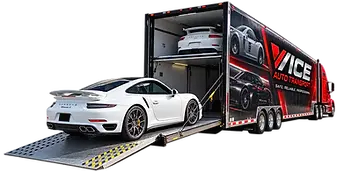
Vice Auto Transport helps customers coordinate these details nationwide, whether they are moving a daily-driver pickup, buying a truck out of state, or arranging transport for a specialty build. The goal is not to make shipping sound risk-free. It is to reduce avoidable issues by setting the shipment up correctly from the start.
A good pickup shipment is usually uneventful because the details were handled before the trailer arrived. Share accurate information, choose protection that fits the truck, keep your schedule realistic, and stay reachable during the pickup window. Let Vice Auto Transport handle the miles while you keep your attention on what the truck is for once it arrives.


Comments