.png)


How to Choose a Vehicle Carrier Without Guessing

A car shipping quote is easy to get. Knowing how to choose a vehicle carrier after you receive it is the part that protects your vehicle, your schedule, and your wallet. The lowest number on a quote form does not tell you whether a truck is actually available, whether the driver is properly insured, or whether someone will answer when pickup plans change.
For most customers, the right choice comes down to a few practical questions: Is this company honest about pricing and timing? Is the assigned carrier authorized and insured? Does the equipment fit the vehicle? And will you have a real person helping if something needs attention?
Start by Understanding Carrier vs. Broker
A motor carrier owns or operates the truck that physically transports the vehicle. A broker arranges the shipment with a carrier in its network. Both have a legitimate role in auto transport, but they do different jobs.
A broker can be especially useful on long-distance routes, less common lanes, auction pickups, and shipments with specific needs. Rather than calling individual trucking companies yourself, you work with one transport specialist who posts the shipment, screens available carriers, coordinates the details, and stays involved through delivery.
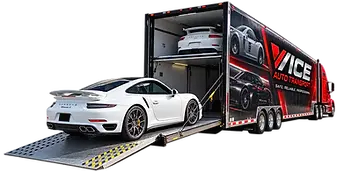
Do not assume that a company with a truck photo on its website will be the company hauling your vehicle. Ask directly: “Are you the carrier, or are you arranging this through a carrier?” A straightforward company will answer clearly. If you are working with a broker, ask how they vet carriers and whether you will receive the assigned carrier’s name, DOT number, and contact information before pickup.
How to Choose a Vehicle Carrier Based on Authority
Every interstate auto carrier should have an active USDOT number and operating authority appropriate for transporting vehicles. Those numbers are not a guarantee of perfect service, but they give you a way to verify that the business exists and is authorized to operate.
Before your vehicle is picked up, confirm the carrier’s legal business name matches the company assigned to your shipment. Check that its authority is active and that it carries cargo insurance. A reputable transport coordinator should be comfortable providing the carrier information once a truck is assigned.
Insurance deserves a little more attention than a quick yes-or-no answer. Ask for the carrier’s current cargo insurance details and confirm that your vehicle type and value are appropriate for the coverage. A standard policy may be fine for an everyday sedan, while a high-value classic, exotic, or modified vehicle may require enclosed transport and higher coverage limits.
Also ask about exclusions. Personal belongings inside a vehicle, loose parts, aftermarket accessories, and pre-existing damage can be treated differently under a carrier’s policy. Shipping a car with items in the trunk may be permitted in some situations, but it is not the same as insured household moving service.
Match the Trailer to the Vehicle and Route
Open transport is the standard choice for most running cars, SUVs, and pickup trucks. It is generally the most available and cost-effective option, especially on major routes between Florida, Texas, California, the Midwest, and the Northeast. Your car rides on a multi-vehicle trailer exposed to normal weather and road conditions, much like vehicles being delivered to dealerships.
Enclosed transport costs more because capacity is limited and the trailer offers greater protection from weather, road debris, and public exposure. It makes sense for collector cars, luxury vehicles, low-clearance sports cars, newly restored classics, and vehicles with exceptional sentimental or financial value.
Equipment details matter too. A lowered vehicle may need ramps or a lift gate. An inoperable vehicle needs a winch and must be described accurately before dispatch. A lifted truck, oversized SUV, dually, or vehicle with roof accessories can take more space than a standard sedan and may require a different trailer setup.
Be specific from the start. Saying a vehicle “runs” when it has a weak battery, flat tire, steering issue, or damaged suspension creates problems at pickup. Accurate details help prevent a driver from arriving with equipment that cannot safely load the vehicle.
Look at the Price, Not Just the Quote
Auto transport pricing moves with route demand, fuel costs, seasonality, vehicle size, trailer type, and pickup flexibility. Snowbird routes can become more expensive when seasonal demand rises. Remote areas can cost more because a carrier may need to travel away from a busy corridor to reach the pickup or delivery point.
The number that matters is the amount a carrier needs to accept the shipment, not simply the lowest quote you received online. A very low quote can be a starting estimate that sits unaccepted because no driver will take the load at that rate. Then comes the familiar call asking for more money, often after valuable time has been lost.
Ask whether the quote is a realistic market price, whether it includes all broker or service fees, and how much is due at pickup versus delivery. If the rate may change because of timing or vehicle details, ask what would cause that change. Clear answers are better than a suspiciously cheap promise.
A fair quote is not always the lowest one. It is the one that gives the shipment a reasonable chance of being picked up within the available window without surprise pressure later.
Read Reviews for Patterns, Not Perfection
No transport company can control every traffic delay, mechanical issue, weather event, or customer expectation. A few negative reviews alone do not tell the full story. What matters is the pattern.
Look for recent reviews that mention communication, honest pricing, pickup coordination, carrier professionalism, and how issues were handled. Pay close attention to complaints about bait-and-switch pricing, unreturned calls, missing carrier details, or customers being told their vehicle was picked up when it was not.
Read the company’s responses, too. A useful response addresses the situation and explains what happened. Generic replies, copied language, or hostility toward every unhappy customer are not encouraging signs.
For auction buyers, reviews and experience with Copart, IAA, and Manheim pickups matter even more. Auction facilities may have release requirements, storage deadlines, limited pickup hours, or rules for non-running vehicles. A company that understands those details can help avoid preventable delays and storage charges.
Confirm the Pickup and Delivery Plan
Door-to-door shipping means the carrier tries to get as close to each address as safely and legally possible. It does not always mean a 75-foot trailer can turn onto every residential street. Low branches, narrow roads, HOA restrictions, tight cul-de-sacs, and city parking rules may require meeting at a nearby wide street, shopping center, or truck-friendly lot.
Discuss this before dispatch, not while the driver is circling the neighborhood. The same applies to delivery timing. Carriers usually provide an estimated pickup window and update you as the truck is assigned and routed. Exact appointment times can be difficult because drivers manage traffic, loading delays, required rest periods, and other customers’ locations.
A professional transport coordinator should not guarantee a pickup or delivery date that depends on factors outside the driver’s control. They should, however, give you realistic expectations and communicate when the plan changes.
Protect Yourself at Pickup and Delivery
The bill of lading is the vehicle condition report used at pickup and delivery. Walk around the car with the driver, note existing scratches, dents, windshield damage, and mechanical concerns, then take clear, time-stamped photos from several angles. Do the same at delivery before signing the final paperwork.
If you see new damage, note it on the bill of lading before the driver leaves and contact the arranging company promptly. Do not rely on a verbal conversation alone. Good documentation makes any insurance claim much easier to evaluate.
Remove valuables, toll tags, parking passes, and personal documents. Leave enough fuel for loading and unloading, typically around a quarter tank, but do not send the vehicle with a full tank. Disable alarms if possible and provide a working key.
Questions Worth Asking Before You Book
You do not need to interrogate every company, but a few direct questions can reveal a lot. Ask who will be transporting the vehicle, whether the assigned carrier is insured, what the total price includes, and what the realistic pickup window looks like. If the vehicle is unusual, ask whether the carrier has the required equipment.
Pay attention to how the answers sound. A knowledgeable person will explain the trade-offs instead of promising whatever they think you want to hear. That matters more than polished sales language.
Choosing a vehicle carrier is ultimately about reducing avoidable surprises. Give accurate vehicle details, choose a realistic price and trailer type, verify the assigned carrier, and keep the condition report thorough. If you want a real person to help coordinate those moving parts, Vice Auto Transport can handle the miles while you stay informed at every step.


Comments