.png)


Seattle & Portland to SoCal & Phoenix Car Shipping

Seattle and Portland to Southern California and Phoenix Car Shipping: A Seasonal Guide
A Portland rainstorm, a Seattle-area snow forecast, and a busy California carrier schedule can all affect the same vehicle shipment.
If you're planning to ship a car from Seattle, Washington, or Portland, Oregon, to Southern California or Phoenix, Arizona, the calendar matters almost as much as the mileage.
This is a well-traveled transportation corridor for snowbirds, relocating families, online vehicle buyers, students, and people sending second vehicles to seasonal homes.
But even on established routes, carrier availability and pricing change throughout the year.
A standard sedan moving from Bellevue to Scottsdale has different requirements than a classic Porsche traveling from Portland to Newport Beach. A vehicle being collected from a Tacoma dealership may be easier to accommodate than one located on a narrow residential street outside the main transportation corridors.
Understanding those differences can help you choose the right trailer, plan a realistic pickup window, and avoid unnecessary delays.
Why Seattle and Portland to Southern California and Phoenix Are Popular Shipping Routes
Seattle and Portland sit along major Pacific Northwest transportation corridors, while Southern California and the Phoenix metropolitan area are large markets for vehicle deliveries.
Carriers traveling south may use Interstate 5 through Washington, Oregon, and California, connecting with other highways depending on their destinations.
Shipments headed to Phoenix often involve a different routing pattern from those destined for Los Angeles, Orange County, or San Diego.
These routes support several types of customers:
Snowbirds heading to warmer climates
Families relocating from Washington or Oregon
Online vehicle purchases
Dealership inventory transfers
College students moving between states
Military and employment relocations
Seasonal residents returning north in spring
The established transportation network can create more opportunities than an isolated rural route.
However, a popular corridor doesn't automatically mean an available truck will be nearby on your preferred pickup date.
Carriers coordinate multiple vehicles, evaluate compensation, and plan around the locations of their other customers.
That's why the exact pickup and delivery ZIP codes matter.
Common Seattle and Portland Shipping Destinations
Popular route combinations include:
Seattle to Los Angeles
Bellevue to Irvine
Tacoma to San Diego
Everett to Anaheim
Seattle to Phoenix
Bellevue to Scottsdale
Portland to Los Angeles
Beaverton to Orange County
Hillsboro to Riverside
Portland to Phoenix
Vancouver, Washington to Mesa
Tigard to Chandler, Arizona
These examples illustrate the range of shipments along the corridor. They don't represent identical pricing or carrier availability.
A delivery in central Phoenix may offer different logistical options from a gated Scottsdale community, just as a Los Angeles delivery differs from one in a hillside neighborhood near San Diego.
Fall Car Shipping: Seattle and Portland to California and Arizona
September through November is an important planning period for customers moving vehicles south.
Snowbirds begin preparing for winter stays, families complete relocations, and some customers want their vehicles delivered before holiday travel.
Southbound demand can increase as more people plan to spend the colder months in Arizona or Southern California.
Why Fall Pickup Flexibility Matters
A carrier may have several potential loads moving south, but that doesn't mean every pickup can be accommodated immediately.
A narrow availability window can make it harder to match your vehicle with a truck already traveling through the area.
If possible, provide several days of pickup flexibility rather than insisting on one exact date.
This gives your transport coordinator more room to evaluate suitable carrier options.
Rainy Weather and Vehicle Inspections
Seattle and Portland are known for wet fall conditions.
Rain doesn't normally prevent a carrier from loading a vehicle, but it can make exterior inspections more difficult.
Before pickup, photograph the vehicle in good lighting, including existing scratches, dents, wheels, bumpers, and windshield damage.
Review the condition report with the driver and make sure existing damage is documented.
That preparation is valuable in every season, but especially when wet or dirty surfaces make minor damage harder to see.
For more seasonal context, read our guide on why snowbird car shipping rates can increase.
Winter Car Shipping: Weather, Holidays, and Carrier Scheduling
Winter shipments from Washington and Oregon to the Southwest require realistic expectations.
Seattle and Portland don't experience constant heavy snow, but freezing conditions, mountain weather, and storms elsewhere along a carrier's route can affect scheduling.
A truck doesn't have to encounter a snowstorm at your pickup address for weather to delay your shipment.
If its previous delivery was delayed by road closures or unsafe conditions, the driver's arrival in Seattle or Portland may change.
Winter Weather Along the Route
Depending on the destination and routing, carriers may encounter:
Heavy Pacific Northwest rain
Snow or ice in higher elevations
Strong winds
Mountain-pass restrictions
Northern California storms
Holiday traffic
Temporary road closures
Drivers must also comply with federal hours-of-service regulations.
A weather delay can affect subsequent pickups and deliveries even after conditions improve.
Shipping to Phoenix During Winter
Phoenix, Scottsdale, Mesa, Chandler, and surrounding communities attract seasonal residents during winter.
While delivery weather is often milder than in the Pacific Northwest, carrier schedules can still be affected by holiday demand and truck availability.
If you're flying to Arizona, don't assume your vehicle will arrive on the same day as your flight.
Arrange a realistic delivery window and make sure someone is available to accept the vehicle.
Shipping to Southern California During Winter
Los Angeles, Orange County, Riverside, and San Diego remain active vehicle transportation markets throughout the year.
However, traffic congestion, restricted residential streets, and holiday closures can complicate individual deliveries.
If your vehicle is being delivered to a dealership, storage facility, or another business, confirm its receiving hours in advance.
A driver arriving after the facility closes may need to reschedule.
Spring Car Shipping: How the Northbound Snowbird Return Affects Rates
Spring brings a change in seasonal transportation patterns.
Many snowbirds begin returning from Arizona and Southern California to Washington, Oregon, and other northern states.
This northbound demand can affect how carriers position their equipment and which loads they prioritize.
Why Directional Demand Matters
Auto transport carriers don't simply drive from one city to another and return empty.
They try to arrange profitable loads in both directions.
A truck with strong northbound demand may evaluate southbound loads differently from a carrier already committed to several deliveries in California or Arizona.
That doesn't automatically make every spring southbound shipment more expensive.
It means availability and rates depend on the balance between customer demand, carrier capacity, and the loads already on a driver's schedule.
Plan Your Spring Return Shipment Early
If you spend winter in Phoenix or Southern California and plan to return to Seattle or Portland, discuss your return shipment before your departure date becomes rigid.
Your spring rate may differ from your fall rate.
Even if the vehicle and addresses are unchanged, market conditions may not be.
Summer Car Shipping: Relocations, College Moves, and Holiday Demand
Summer brings a different mix of customers.
Families relocate during school breaks, students prepare for college, dealerships move inventory, and customers purchase vehicles from out-of-state sellers.
The increased activity can create competition for trailer space, particularly around major holidays and late-summer moving dates.
Shipping to Phoenix in Summer Heat
Phoenix temperatures can be extreme during summer.
A vehicle sitting outdoors after delivery can become very hot, so the receiving person should be prepared to inspect it safely.
Arrange a suitable meeting location and make sure the recipient has the necessary keys, contact information, and delivery instructions.
If someone other than the owner is receiving the vehicle, authorize that person in advance.
Southern California Delivery Challenges
California deliveries may involve dense traffic, gated communities, steep streets, or areas where large trucks cannot safely stop.
A nearby meeting location may be necessary.
This is a normal part of door-to-door auto transportation.
For more information, see Are Residential Pickups Allowed for Auto Transport?.
How Much Does It Cost to Ship a Car From Seattle or Portland to Phoenix or Southern California?
There isn't one fixed price for these routes.
The amount a carrier is willing to accept depends on several factors:
Exact pickup and delivery ZIP codes
Vehicle size and weight
Running or non-running condition
Open versus enclosed transport
Seasonal demand
Available carrier capacity
Fuel expenses
Pickup and delivery accessibility
Scheduling flexibility
A running sedan located in a Portland suburb may be relatively straightforward to place.
A lifted truck requiring pickup from a remote Washington location and delivery to a restricted coastal neighborhood presents a different logistical challenge.
Why the Lowest Quote Isn't Always the Best Quote
Some companies advertise unusually low prices to attract bookings.
But a quoted amount doesn't mean an independent carrier has agreed to move the vehicle.
If the compensation available to the carrier is too low for the route, the shipment may remain unassigned.
That can lead to delays or later price adjustments.
The goal should be a competitive quote that reflects current transportation conditions and has a reasonable chance of attracting a qualified carrier.
Fuel prices also influence long-distance transportation economics.
Our article on how rising diesel prices affect auto transport explains why.
Open vs. Enclosed Auto Transport for Pacific Northwest to Southwest Routes
Both open and enclosed transportation are available for shipments from Seattle and Portland to California and Arizona.
The right choice depends on the vehicle and your priorities.
Open Auto Transport
Open transport is generally the most practical option for everyday vehicles.
It's commonly used for:
Standard sedans
Family SUVs
Pickup trucks
Leased vehicles
Dealership purchases
Seasonal second cars
Open trailers carry multiple vehicles and are more common than enclosed equipment.
That usually makes open transportation less expensive and provides more potential carrier options.
The vehicle remains exposed to normal weather and road conditions during transit.
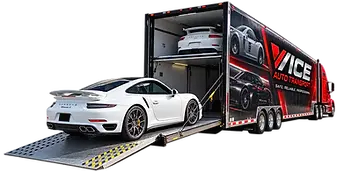
Enclosed Auto Transport
Enclosed transportation provides additional protection from road spray, airborne debris, and weather exposure.
It's often preferred for:
Classic cars
Collector vehicles
Exotic cars
Restored vehicles
High-value luxury models
Certain low-clearance sports cars
Enclosed carriers typically transport fewer vehicles and may require specialized loading equipment.
Some use liftgates, while others use ramps. Equipment varies by carrier.
If your vehicle has limited ground clearance or other special requirements, discuss those details before dispatch.
For a closer comparison, read Is Enclosed Transport Worth It for Your Car?.
Neither trailer type eliminates all transportation risk. Review the assigned carrier's insurance information and document your vehicle's condition before loading.
How Long Does Seattle or Portland to Phoenix or Southern California Shipping Take?
Transit time depends on the origin, destination, routing, and number of other vehicles on the carrier's schedule.
Once loaded, these shipments often take approximately three to seven days, although weather, stops, traffic, and other operating conditions can extend that timeframe.
Pickup scheduling is separate from transit time.
A vehicle may be collected soon after becoming available, or additional time may be needed to secure a suitable carrier.
Pickup Windows Are Not Airline Reservations
Auto carriers coordinate multiple customers and must account for driving hours, inspections, traffic, weather, and loading delays.
That makes an estimated pickup window more realistic than an exact appointment promised far in advance.
If you have a strict deadline, discuss it before booking.
Our guide to what guaranteed pickup means in auto transport explains what customers should ask before relying on that phrase.
How to Prepare for a Smoother Pickup and Delivery
Starting the conversation one to two weeks before your preferred pickup period is often sensible for a standard shipment.
More notice can help with enclosed transportation, rural locations, specialty vehicles, and holiday scheduling.
Before requesting a quote, gather:
Vehicle year, make, and model
Pickup ZIP code
Delivery ZIP code
First available pickup date
Running condition
Open or enclosed preference
Any modifications or special loading requirements
Dealership and Auction Purchases
If the vehicle is being collected from a dealership, private seller, Copart, IAA, or Manheim, confirm that it's actually ready for release.
Payment, paperwork, keys, gate hours, and release authorization can all affect pickup.
Auction storage charges may make a missed deadline costly.
If a dealership has already arranged transportation but the vehicle hasn't moved, our guide on what to do when a dealership is taking too long to ship your car may help.
Preparing the Vehicle
Before pickup:
Remove valuables and personal belongings.
Remove or deactivate toll tags.
Photograph the vehicle's condition.
Leave approximately one-quarter tank of fuel unless instructed otherwise.
Check for leaks.
Secure loose accessories.
Make sure the battery is charged.
Provide a working key.
Disclose modifications or mechanical problems.
If the vehicle doesn't run, tell your transport coordinator whether it rolls, steers, and brakes.
Non-running vehicles may require a winch or other specialized equipment.
The Bill of Lading and Vehicle Inspection
At pickup, the driver should document the vehicle's condition.
Review the Bill of Lading or inspection report and make sure existing damage is recorded.
At delivery, inspect the vehicle again before signing the final paperwork whenever possible.
If you notice a new issue, document it with the driver immediately.
Why Communication Matters More Than a Too-Good-to-Be-True Quote
Auto transport brokers coordinate shipments with independent motor carriers.
A broker can discuss pricing, estimated pickup windows, and potential carrier options, but a quoted shipment isn't the same as a confirmed carrier assignment.
Good communication helps customers understand the difference.
At Vice Auto Transport, we focus on providing realistic information, coordinating with qualified carriers, and keeping customers informed as their shipments progress.
That includes discussing:
Open and enclosed trailer options
Realistic pickup expectations
Seasonal market conditions
Carrier assignment and scheduling
Residential pickup restrictions
Special vehicle requirements
Delivery coordination
We verify carrier authority and insurance information/documentation as part of dispatch and help customers understand the next steps.
Most importantly, when you have a question, you can speak with a real transport professional.
That's particularly valuable when you're coordinating a shipment around flights, relocation deadlines, or seasonal travel.
Get a Quote for Seattle or Portland to Phoenix and Southern California Car Shipping
Whether you're shipping a daily driver from Seattle to Los Angeles, sending a second vehicle from Portland to Scottsdale, or relocating from Tacoma to San Diego, Vice Auto Transport can help coordinate your shipment.
Share the vehicle details, pickup and delivery ZIP codes, preferred dates, and whether you'd like open or enclosed transportation.
We'll help you understand your options and plan around realistic carrier availability.
Call: 1-800-541-0696
Text: 754-800-4112
Vice Auto Transport — Let Us Handle the Miles.


Comments