.png)


Dealership Taking Too Long to Ship Your Car?

Dealership Taking Too Long to Ship Your Car? Here's What to Do
You bought the car.
The paperwork is signed.
Financing is handled.
Maybe you've even made the first payment.
But the vehicle is still sitting at the dealership.
A dealership taking a long time to ship your car is frustrating, especially when you've already started planning around its arrival. The good news is that many dealership shipping delays are fixable once you figure out what is actually holding the shipment up.
A dealer saying, "We're waiting for a driver," can mean several different things.
The vehicle may still be waiting for final release.
The dealer may have arranged transport at a price that isn't attracting a carrier.
Pickup hours may be extremely limited.
The route may have fewer available trucks than expected.
Or the transportation order may simply not be getting much attention.
Before you hire another company or start increasing the shipping price, ask one question:
"Is my car fully released and assigned to a carrier, or is it still waiting for one?"
The answer tells you a lot about what needs to happen next.
Why Is the Dealership Taking So Long to Ship My Car?
There are two separate parts of dealership vehicle shipping that customers sometimes hear described as the same thing:
Getting the vehicle ready for release and getting a carrier assigned to transport it.
A car can be sold but not yet ready for pickup.
Likewise, a vehicle can be completely ready while the transportation order still has no carrier willing or available to take it.
Understanding which problem you have is the first step.
The Vehicle May Not Actually Be Released Yet
Before blaming the transportation company, confirm that the dealership can actually release the vehicle.
Dealers may need to complete:
Final payment processing
Financing confirmation
Buyer paperwork
Internal vehicle inspection
Detailing
Service or repairs
Title-related paperwork
Key preparation
Internal release authorization
A transport company can't solve a dealership paperwork problem.
If the dealer tells you they're "waiting on shipping," ask whether the vehicle could physically be released today if a carrier arrived.
That question tends to produce a much clearer answer.
Ask About the Dealership's Pickup Rules
Dealership pickup procedures can also affect how quickly a vehicle moves.
Some dealerships:
Require advance notice
Only release vehicles during business hours
Don't permit weekend transport pickups
Require a specific employee to release vehicles
Store sold vehicles at another lot
Have restricted truck access
Require the carrier to check in at a particular location
Those restrictions don't necessarily prevent transportation.
They reduce the number of carrier schedules that will work.
A driver passing through the area at 6:00 p.m. may have space for your car, but that doesn't help if the dealership stops releasing vehicles at 4:30.
Get the exact pickup location, release contact, phone number, and available pickup hours.
Your Car May Still Be Waiting for a Carrier
If the vehicle is fully released, the next question is whether a motor carrier has actually accepted the shipment.
"We arranged shipping" does not necessarily mean "a truck has been assigned."
Those are different stages.
Dealerships frequently use auto transport brokers or other transportation providers to arrange vehicle shipping.
An auto transport broker coordinates transportation with independent motor carriers.
Carriers evaluate available shipments based on factors such as:
Pickup and delivery locations
Direction of travel
Vehicle size
Available trailer space
Pickup timing
Delivery timing
Vehicle condition
Amount being offered for transportation
If the shipment doesn't fit a carrier's route or the compensation isn't competitive for current market conditions, the vehicle may remain unassigned.
Ask Whether the Vehicle Is Listed or Assigned
This is one of the most useful distinctions you can make.
A listed shipment is still seeking a carrier.
An assigned shipment has a specific carrier committed to handling the transportation.
Even an assigned carrier can experience legitimate schedule changes because of traffic, weather, mechanical problems, previous customer delays, or other transportation variables.
But if nobody can give you the assigned carrier's information, there's a good chance the shipment hasn't reached that stage yet.
Ask:
"What carrier has been assigned to my vehicle?"
If the answer is that they're still looking for one, you now know where the delay is occurring.
The Original Shipping Price May Be Holding the Vehicle Back
This is where auto transport pricing can become confusing.
A shipping quote can look perfectly reasonable to the customer but still fail to attract a carrier.
Auto transport is market-driven.
Carrier availability changes based on route demand, seasonality, fuel costs, equipment availability, vehicle size, weather, and the number of other vehicles moving in the same direction.
If the amount available to transport your vehicle is significantly below what carriers are currently accepting for similar loads, drivers may choose other vehicles instead.
The order can sit.
That doesn't automatically mean the dealership or original transport provider is trying to scam you.
The market may simply have changed, or the original estimate may have been too optimistic.
Ask for a Current Market Review
If the vehicle has been waiting several days without a carrier, ask whether the transportation price has been reviewed against current carrier activity.
Sometimes a relatively modest adjustment can make a shipment more attractive.
Other times the problem isn't price at all.
The route may simply have limited carrier traffic.
That's why increasing the price blindly isn't the answer.
You first want to understand why carriers aren't accepting the vehicle.
Fuel is one factor that can affect carrier operating costs, especially on longer routes. You can read more about that in How Rising Diesel Prices Affect Auto Transport Costs.
Some Dealership Routes Are Harder Than They Look
Distance alone doesn't determine how easy a vehicle is to ship.
A 1,000-mile shipment between two major transportation markets may attract more carriers than a considerably shorter shipment involving a remote pickup or destination.
Major metro areas generally provide more transportation opportunities because carriers can combine multiple vehicles along established routes.
Smaller towns and remote destinations can require a driver to leave a productive lane for a single vehicle.
Carrier traffic can also be affected by:
Mountain routes
Rural destinations
Severe weather
Seasonal relocation patterns
Holiday periods
Auction volume
Snowbird traffic
Regional vehicle demand
The exact pickup and delivery ZIP codes matter.
That's why two vehicles traveling approximately the same distance can have very different pickup times and transportation prices.
How to Get a Dealership Car Picked Up Faster
If the vehicle is ready but still waiting for transportation, the solution usually involves some combination of accurate information, realistic pricing, and scheduling flexibility.
It isn't simply finding the cheapest quote or demanding a guaranteed pickup time.
Make Sure the Vehicle Information Is Accurate
Before another carrier considers the shipment, confirm the exact:
Year
Make
Model
Pickup ZIP code
Delivery ZIP code
Running condition
Vehicle dimensions if modified
Dealership pickup hours
Earliest available pickup date
Also disclose modifications.
A Ford F-150 on factory wheels and a lifted F-150 on oversized tires aren't necessarily the same load from the carrier's perspective.
Likewise, a Porsche that has been lowered may require different loading considerations than a standard-clearance vehicle.
Accurate information helps prevent a carrier from accepting the order and then discovering at pickup that the vehicle doesn't fit the space or equipment they planned to use.
Be Specific About Non-Running Vehicles
Don't simply say the car is "inoperable."
Tell the transport coordinator whether it:
Starts
Rolls
Steers
Brakes
A vehicle that doesn't start but rolls, steers, and brakes may be manageable with appropriate winch equipment.
A collision-damaged vehicle with locked wheels or broken suspension is a very different loading situation.
Photos can be extremely useful when vehicle condition is unusual.
Give the Carrier a Workable Pickup Window
Flexibility can improve your options.
A carrier may be able to collect the vehicle Tuesday afternoon but not Tuesday at exactly 9:00 a.m.
If the dealership has broader release hours or another authorized employee can release the vehicle, additional carrier schedules may become possible.
That doesn't mean accepting an unlimited pickup window.
It means avoiding unnecessary restrictions when the dealership and buyer have flexibility.
Can You Expedite Shipping From a Dealership?
Sometimes.
But expedited auto transport should be understood realistically.
There isn't a nationwide fleet of empty trucks sitting around waiting for someone to purchase an "expedited" button.
Expediting a shipment usually means structuring and managing the order to make it more attractive to carriers that can meet the tighter schedule.
That can involve a higher transportation rate.
If your deadline is genuine—for example, you're relocating, returning a lease, traveling, or need the vehicle for work—tell your transport coordinator.
The tighter the window, the more important realistic pricing and accurate scheduling become.
No responsible broker can eliminate every possibility of traffic, weather, mechanical issues, or earlier customer delays.
Does Open or Enclosed Transport Affect Pickup Speed?
It can.
Open auto transport has the largest carrier pool and is usually the most practical choice for ordinary dealership purchases.
These are the familiar multi-car carriers commonly seen transporting vehicles on highways.
Because there are more open carriers operating nationwide, open transportation generally provides greater availability.
When Enclosed Transport Makes Sense
Enclosed transport uses a covered trailer and provides additional protection from weather, road grime, and airborne debris.
It's commonly considered for:
Exotic cars
Classics
High-value luxury vehicles
Restored vehicles
Specialty vehicles
Certain low-clearance cars
There are fewer enclosed carriers than open carriers.
Depending on the route, enclosed transportation can therefore require additional scheduling flexibility or a higher rate.
If you're deciding between the two, read our guide on whether enclosed auto transport is worth it for your car.
Don't Create Duplicate Transport Orders
This deserves its own section because frustrated buyers sometimes accidentally make their problem worse.
Your dealership says transportation is taking too long.
You call another broker.
Then another.
Suddenly the same vehicle appears multiple times as separate transportation orders.
Don't do that.
Duplicate listings can create confusion in the carrier market.
A carrier may see what appears to be the same vehicle listed by several companies at different prices and become unsure which order is legitimate.
It can also lead to multiple brokers trying to contact the same carriers for the same vehicle.
If you decide to take over the shipping arrangement, first determine who currently controls the transportation order.
Then have the previous arrangement canceled before another broker actively markets the same shipment.
One vehicle.
One active transportation arrangement.
Much cleaner.
Be Careful With a Second Extremely Cheap Quote
A delayed dealership shipment can make buyers vulnerable to another problem.
Someone offers to "rescue" the shipment with an incredibly cheap price and immediate pickup.
That sounds fantastic when you've already been waiting.
But ask how that price will realistically attract a carrier when the existing order hasn't.
A lower quote doesn't necessarily solve an underpriced shipment.
It may simply restart the same problem with a different company.
Be especially cautious when someone promises an immediate pickup without asking about:
Vehicle condition
Exact locations
Dealership release hours
Pickup availability
Vehicle size
Existing transportation arrangements
If you're comparing another company, our guide on how to avoid car shipping scams and choose a legitimate auto transport company explains what to verify before handing over your shipment.
Verify the Carrier Before the Car Leaves the Dealership
Once a motor carrier is assigned, you should know which company is actually transporting your vehicle.
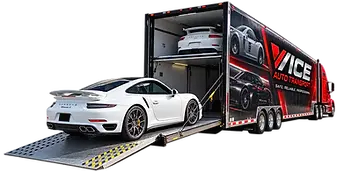
At Vice Auto Transport, we verify carrier authority and insurance information/documentation as part of our dispatch process.
The dealership should also know which carrier is expected to arrive.
At pickup, the vehicle's condition should be documented on the Bill of Lading or vehicle condition report.
For a dealership purchase, ask whether the dealer can provide or retain photographs of the vehicle's condition before release.
When the vehicle arrives, inspect it before completing the final condition paperwork.
If you notice a new concern, document it immediately.
Keep One Person in Charge of Communication
Dealership shipments can involve a surprising number of people.
The buyer.
The salesperson.
The finance department.
The dealership's shipping coordinator.
The broker.
The carrier dispatcher.
The driver.
Problems multiply when all of them are separately changing instructions.
Ideally, one transport coordinator should manage communication between the buyer, dealership, and carrier.
Everyone should be working from the same:
Pickup location
Release contact
Pickup hours
Vehicle information
Delivery contact
Delivery location
Clear communication is often more valuable than another round of vague promises that the vehicle should be picked up "soon."
When Should You Take Over Shipping From the Dealership?
If the dealership can clearly explain what's happening and a carrier is already assigned, giving the process a little more time may be reasonable.
But consider arranging transportation yourself when the dealership repeatedly cannot tell you:
Whether the vehicle is released
Who arranged transportation
Whether a carrier has been assigned
What company is handling the order
Why the vehicle hasn't moved
What the next step actually is
Before changing arrangements, review anything you already agreed to regarding dealership-provided transportation.
If you paid the dealership for shipping, clarify how canceling or replacing that arrangement affects the shipping charge or purchase agreement.
Then get confirmation that the existing transportation order has been canceled.
You don't want two companies trying to move the same vehicle.
What Information Does a New Transport Company Need?
If you're taking over transportation, have the important details ready.
Provide:
Pickup ZIP code
Delivery ZIP code
Vehicle year, make, and model
Running condition
Modifications
Earliest pickup date
Dealership name
Release contact
Release phone number
Pickup hours
Any deadline you genuinely need to meet
If the vehicle doesn't have current registration or personal insurance because it was just purchased, that doesn't automatically prevent it from being transported on a carrier.
You can read Does a Car Have to Be Registered or Insured to Be Transported? for a more detailed explanation.
What Vice Auto Transport Can Do When a Dealership Shipment Is Stuck
Sometimes you don't need another generic quote.
You need someone to figure out why the car hasn't moved.
Vice Auto Transport can review the route, vehicle, timing, dealership restrictions, and current transportation arrangement with you.
If the dealership's existing order is still active, we'll tell you not to create a duplicate shipment.
If the vehicle isn't actually released yet, throwing more money at transportation won't fix the problem.
If the route or carrier compensation appears to be the issue, we can discuss what a more realistic transportation plan may look like.
And if you decide to take control of the shipment, we can coordinate with the dealership and seek an independent motor carrier whose route and equipment fit the job.
We're an auto transport broker.
We don't pretend a Vice-owned truck is sitting around the corner waiting for your phone call.
We coordinate shipments with independent motor carriers and focus on realistic pricing, carrier verification, and live communication throughout the process.
Dealership Taking Too Long to Ship Your Car? Ask This One Question
Before another day passes, call the dealership and ask:
"Is my vehicle fully released and assigned to a specific carrier, or is it still waiting for one?"
If it's not released, find out exactly what the dealership still needs.
If it's released but unassigned, find out who has the transportation order and whether the route and price have been reviewed.
If it's assigned, get the carrier information and current pickup estimate.
That turns:
"We're still waiting on shipping."
into an actual problem you can solve.
Need Help Getting a Dealership Purchase Shipped?
If you bought a vehicle from a dealership and it has been sitting longer than expected, Vice Auto Transport can help you understand what may be holding up the shipment and what your options are.
Give us the dealership location, delivery ZIP code, vehicle information, and what you've been told so far.
We'll help you determine the next practical step before you create another order or spend more money.
Call: 1-800-541-0696
Text: 754-800-4112
Vice Auto Transport — Let Us Handle the Miles.


Comments