.png)


Is Enclosed Transport Worth It for Your Car?

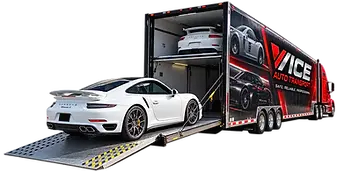
A lot of customers ask the same thing after they see two quotes side by side: is enclosed transport worth it if the car is only going from point A to point B? The short answer is yes for some vehicles and situations, and no for others. The real question is whether the added protection matches the value of what you are shipping, your timeline, and your comfort level.
Enclosed transport is not automatically the better choice just because it costs more. Open transport is still the most common and practical option for everyday vehicles. But if you are shipping a high-value car, a collector vehicle, an exotic, a motorcycle, or something with a custom finish, enclosed service can be the right call for reasons that go beyond appearances.
What enclosed transport actually gives you
The biggest difference is protection from outside exposure. An enclosed trailer shields the vehicle from weather, road debris, dust, and general highway grime during transit. That matters if you are moving a car with delicate paint, low ground clearance, rare parts, or a finish you do not want exposed to the road.
There is also a handling factor. Enclosed shipments are often used for vehicles that need a little more care during loading and unloading. Depending on the equipment, carriers may use lift gates, soft straps, or other methods designed to reduce risk for specialty vehicles. Not every enclosed carrier operates the same way, but the service is generally built around higher-value cargo.
That does not mean open trailers are careless. Most cars shipped in the U.S. move on open carriers without problems. Open transport is efficient, widely available, and cost-effective. The question is not whether open transport works. It does. The question is whether your particular vehicle needs more protection than open shipping provides.
Is enclosed transport worth it for everyday cars?
Usually, no.
If you are shipping a standard sedan, SUV, pickup, or crossover that you drive every day, open transport is often the better value. It gets the job done at a lower price, and it is easier to schedule because more open carriers are available on most routes.
For many families relocating, college students moving across state lines, snowbirds heading seasonally between homes, or buyers bringing home a used car, enclosed service can feel like paying extra for protection they do not really need. If the vehicle already lives outside, sees regular highway use, and does not have special value beyond reliable transportation, open shipping is usually the practical choice.
That is where honest budgeting matters. Paying more only makes sense if the extra cost solves a real problem.
When enclosed transport is worth it
There are several situations where enclosed shipping moves from optional to smart.
If the vehicle is high-value, the math changes quickly. A luxury car, exotic, restored classic, or rare collector vehicle may justify enclosed service simply because the cost of even minor cosmetic damage can exceed the price difference between open and enclosed shipping.
If the vehicle has custom paint, bodywork, aftermarket parts, or a finish that is hard or expensive to repair, enclosed transport makes more sense. A regular commuter car can handle a little road dust. A freshly restored show car is a different story.
If the vehicle sits low to the ground or has special loading concerns, enclosed equipment may also be the better fit. Some specialty carriers are better set up for cars that need extra clearance or more controlled handling.
It can also be worth it during long-distance trips or seasonal weather windows. Cross-country transport in winter, for example, means more exposure to road spray, grime, and changing conditions. If you want to minimize that exposure, enclosed service gives you more peace of mind.
Motorcycles fall into this conversation too. Many bike owners choose enclosed transport because it adds protection from weather and road debris, especially on long hauls or when transporting a high-end bike.
The trade-off is price and availability
The main reason customers hesitate is cost, and that is fair. Enclosed transport usually costs more than open transport because there are fewer enclosed carriers on the road, enclosed trailers hold fewer vehicles, and the service is often tied to higher-value shipments that require more attention.
Pricing depends on route, distance, season, vehicle size, operability, and market demand, but enclosed transport can run noticeably higher than open. For some customers, that premium is easy to justify. For others, it pushes the shipment outside the budget.
Availability can also affect timing. Open carriers are more common, so they tend to offer more pickup flexibility on standard routes. Enclosed shipping may take longer to schedule, especially in less populated areas or on routes with fewer specialty trucks. If you have a very tight timeline, that can matter as much as price.
So when people ask if enclosed transport is worth it, the answer often comes down to this: are you protecting something expensive enough, rare enough, or sensitive enough to justify the higher rate and potentially narrower scheduling window?
A simple way to decide
Think about the vehicle in terms of replacement cost, repair cost, and emotional value.
Replacement cost is straightforward. If the car would be difficult or expensive to replace, enclosed shipping starts to make more sense.
Repair cost matters just as much. A chip, scratch, or cosmetic issue on a standard vehicle may be annoying but manageable. On a collector car, exotic, or custom build, the same issue could mean a much bigger bill and a harder repair process.
Emotional value is real too. Some vehicles are family heirlooms, first restorations, or dream purchases. That does not mean every sentimental vehicle must go enclosed, but it is part of how customers make the decision.
Here is a practical rule: if you would lose sleep over the vehicle riding on an open trailer, enclosed transport is probably worth discussing.
Open transport is still the right choice most of the time
This is where balance matters. Enclosed shipping gets a lot of attention because it sounds premium, but premium is not always necessary.
Open transport remains the industry standard because it works well for the majority of shipments. It is the best fit for most daily drivers, lease returns, dealership transfers, student moves, and standard long-distance relocations. It is also easier on the budget, which matters when transport is one expense among many.
For customers moving a car to Alaska, Hawaii, Puerto Rico, Guam, or the U.S. Virgin Islands, or coordinating port-related service, the best setup may depend on both the land leg and the larger route. In those cases, the right transport format is not just about preference. It is about equipment availability, timing, handoff points, and the type of vehicle being moved.
That is why a quote should not be treated like a simple price tag. It should match the vehicle and the shipment.
Questions to ask before you choose
Before you book, ask what level of protection your vehicle really needs. Be honest about the car, the budget, and your timeline. If the goal is safe, efficient delivery for a standard vehicle, open shipping may be the right answer.
If the vehicle is rare, expensive, freshly restored, highly customized, or especially vulnerable to exposure, enclosed service is usually easier to justify.
It also helps to ask how the vehicle will be loaded, whether the route affects trailer availability, and how much flexibility you have on pickup and delivery dates. Sometimes the best choice is not the most expensive one. It is the one that fits the shipment without adding unnecessary cost or risk.
For customers who want straightforward guidance, this is where working with an experienced transport partner helps. A company like Vice One Logistics can walk through the route, the vehicle type, and the available trailer options so you are not paying for more service than you need, or booking less protection than your vehicle deserves.
So, is enclosed transport worth it?
It is worth it when the vehicle, route, or risk level justifies the extra cost. It is not worth it just because it sounds safer on paper.
A daily driver usually does fine on an open trailer. A collector car, exotic, custom vehicle, or high-end motorcycle is a different conversation. The better choice depends on what you are shipping, how sensitive it is, where it is going, and how much protection you want built into the trip.
If you are on the fence, do not start with the trailer type. Start with the vehicle and what would bother you most if something minor happened along the way. That answer usually points you in the right direction.


Comments