.png)


Snowbird Car Shipping: Why Rates Are Up This Season

Snowbird Car Shipping: What Works, What It Costs, and When to Book
Every fall and spring, the auto transport market sees the same major shift: thousands of seasonal travelers need vehicles moved along many of the same routes at roughly the same time.
In the fall, demand increases for vehicles moving from the Northeast and Midwest toward Florida and other warm-weather destinations. In the spring, much of that traffic reverses as seasonal residents head home.
If you're shipping a car from New York, New Jersey, Pennsylvania, New England, Michigan, Ohio, Illinois, or another northern state to Florida, Arizona, Texas, or Southern California, you're competing for trailer space with other snowbirds, relocations, dealer transfers, auction purchases, and everyday vehicle shipments.
That affects both availability and price.
The goal shouldn't simply be finding the lowest number on a quote form. The goal is setting up a shipment at a price that a properly insured carrier will actually accept, with pickup and delivery arrangements that work for both your travel schedule and the truck.
After years of coordinating seasonal vehicle shipments at Vice Auto Transport, we've found that a few things consistently make snowbird shipping easier: realistic pricing, flexible pickup dates, accurate vehicle information, accessible locations, and planning ahead without expecting a truck to be assigned weeks before pickup.
Here's how it works.
Why Snowbird Car Shipping Rates Change
Auto transport prices aren't fixed nationwide rates. They're affected by supply and demand on individual routes.
During snowbird season, that demand can become heavily concentrated.
In the fall, large numbers of vehicles move south. In the spring, many of those same vehicles need transportation north again. Carriers only have a limited number of spaces on each trailer, so they naturally prioritize vehicles that make sense for their route, schedule, and operating costs.
We see this every snowbird season.
A vehicle moving from North Jersey to South Florida, for example, sits on one of the busiest seasonal auto transport corridors in the country. But move the pickup or delivery well outside a carrier's normal route and the economics can change quickly.
Two vehicles traveling roughly the same mileage can require different carrier pay because one fits naturally into a driver's route while the other requires a significant detour.
That is why ZIP codes matter, not just mileage.
Route Direction Matters Too
Seasonal demand isn't always balanced equally in both directions.
A large number of vehicles may be heading into Florida during the fall, while fewer vehicles are leaving Florida for northern markets during the same period. In the spring, that pattern can reverse.
Carriers have to think beyond your individual shipment. After unloading your vehicle, the truck needs another load.
If a carrier expects difficulty finding a worthwhile next load after reaching a particular market, that can affect what they're willing to accept for the trip going in.
The same dynamics can occur on seasonal routes involving Arizona, Texas, and California.
Fuel and Operating Costs Affect Car Shipping Prices
Demand isn't the only factor.
Operating an auto transport truck is expensive. Carriers have to account for diesel fuel, commercial insurance, maintenance, tires, tolls, driver labor, regulatory compliance, and equipment costs.
Those expenses don't disappear because an online calculator generated a lower estimate.
Fuel prices in particular can affect longer routes because a fully loaded transport truck consumes a substantial amount of diesel over a cross-country trip.
This is one reason auto transport prices can change even when you're shipping the same vehicle between the same two cities at different times of the year.
However, not every route increases equally.
A flexible shipment between two major metropolitan areas may remain highly competitive because many carriers travel that corridor. A rural pickup, remote delivery, oversized vehicle, difficult destination, or very narrow pickup window can increase the cost much more quickly.
What Actually Works for Snowbird Car Shipping
The most successful seasonal shipments usually have three things in common: realistic pricing, reasonable flexibility, and good communication.
You don't necessarily need to schedule your shipment months in advance. But waiting until two days before your flight to start figuring everything out isn't a great strategy either.
For most snowbird moves, we recommend beginning the planning process a few weeks before your preferred pickup window.
That doesn't mean a carrier will, or should, be assigned several weeks ahead.
Planning Early Is Not the Same as Dispatching Early
This distinction is important.
Auto transport isn't like buying an airline ticket where a specific seat on a specific flight can always be reserved months in advance.
Carrier schedules are dynamic.
Drivers encounter traffic, weather, dealership delays, auction delays, mechanical issues, previous customers who aren't available, and countless other variables that can affect their schedules.
Many carriers finalize loads relatively close to pickup.
Starting the process two to four weeks ahead gives you time to verify the shipment details, understand the current market, discuss realistic pricing, prepare the vehicle, and make arrangements for pickup and delivery.
Then, as your pickup window approaches, your broker can work with actual carrier availability rather than pretending a truck schedule several weeks away is guaranteed.
If you're shipping enclosed, transporting a specialty vehicle, living in a rural area, or working around exact travel dates, giving yourself additional planning time is wise.
Flexible Pickup Windows Make Shipping Easier
For most snowbird moves, providing a pickup window rather than demanding one exact day makes finding the right carrier easier.
Auto transport is route-based.
A carrier may already be traveling through your area on Tuesday instead of Monday. If your schedule allows either day, suddenly that truck becomes an option.
That flexibility can improve carrier availability and sometimes reduce the amount required to secure transportation.
If your schedule isn't flexible, that's okay too. Just tell your broker upfront.
Exact dates aren't impossible, but tighter requirements can reduce the number of available carriers and may affect the price.
The Cheapest Car Shipping Quote Can Cause Problems
Customers should compare quotes. We encourage it.
But there's an important distinction that many customers don't learn until something goes wrong:
A quote is not the same thing as a truck reservation.
Auto transport brokers compete for customers, while carriers decide which available vehicles they actually want to load.
The amount offered to the carrier is one of the biggest factors in whether a shipment gets noticed and accepted, along with route fit, timing, vehicle size, equipment requirements, and pickup and delivery conditions.
If a vehicle is posted at an unrealistic carrier rate during a busy seasonal period, drivers can simply pass on it.
That's when customers sometimes hear:
"We're still looking for a driver."
Then:
"We need a little more money."
And eventually:
"We can't guarantee your pickup date."
The original quote may have looked fantastic. The problem is that it wasn't enough to attract a carrier.
This is why an unrealistically cheap quote can become very expensive in lost time and stress.
If you have a flight, condo check-in, medical appointment, cruise departure, seasonal-home closing date, or another hard deadline, waiting several days for an unrealistic price to work can put the entire schedule under pressure.
A good auto transport quote should consider the route, vehicle, timing, trailer type, pickup location, delivery location, and current carrier market.
More importantly, the person giving you the quote should be willing to explain when a number simply isn't realistic.
Open vs. Enclosed Transport for Snowbird Vehicles
For most seasonal vehicles, open auto transport is the practical choice.
Open carriers are the large multi-vehicle trailers commonly seen transporting cars to dealerships. They're widely available and generally provide the best combination of availability and price for normal cars, SUVs, and trucks.
Vehicles transported on open carriers are exposed to normal weather and road conditions, but this is the standard method used for the majority of vehicle shipments in the United States.
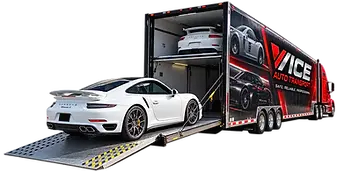
Enclosed auto transport provides additional protection from weather and road exposure.
It makes the most sense for classic and collectible cars, exotic vehicles, high-value luxury vehicles, recently restored vehicles, vehicles with very low ground clearance, and cars whose owners simply want additional protection.
Enclosed trailers carry fewer vehicles and aren't as common on every route, so availability is more limited and pricing is higher.
If you know you want enclosed transport for your seasonal move, start the conversation earlier.
Tell Your Broker Exactly What You're Shipping
Accurate vehicle information matters more than many customers realize.
A standard running sedan is relatively straightforward.
A large SUV, lifted truck, oversized van, electric vehicle, classic car, modified vehicle, low-clearance sports car, or non-running vehicle may require additional planning.
Vehicle size and weight affect trailer capacity. Ground clearance affects loading. Non-running vehicles may require a winch. Some modifications can prevent a vehicle from fitting safely in a particular position on the trailer.
Don't surprise the carrier at pickup.
If the vehicle has been modified, doesn't run, has very low clearance, or is significantly larger than stock, tell your transport coordinator when requesting the quote.
Meet the Truck Somewhere It Can Safely Load
Door-to-door car shipping doesn't necessarily mean a 75-foot auto transport truck can physically pull up to your front door.
Door-to-door means the carrier gets as close to the pickup and delivery addresses as safely and legally possible.
Large auto transport trucks need considerable room.
Gated communities, narrow residential streets, low-hanging trees, power lines, tight turns, weight restrictions, HOA rules, and local ordinances can prevent a carrier from reaching a particular address.
When that happens, the driver and customer can arrange a nearby meeting point.
A large shopping center, wide commercial street, truck stop, or another safe location may work much better.
This isn't a downgrade in service.
Trying to squeeze a loaded transport truck into an unsuitable residential street risks damaging vehicles, property, trees, utility lines, or the truck itself.
A good transport coordinator should help identify these issues before they become a surprise on pickup day.
Can You Put Personal Items in a Car Being Shipped?
Auto transport is intended for transporting the vehicle, not household goods.
Some carriers may allow a limited amount of personal belongings inside the vehicle, subject to their individual policies and weight restrictions. Other carriers may not allow personal items at all.
Personal belongings generally aren't covered by the carrier's cargo insurance.
Extra weight can also become a problem because commercial transport trucks operate under strict weight limits.
If you plan to leave anything inside the vehicle, discuss it with your transport coordinator before pickup rather than assuming it's permitted.
Protect Your Vehicle Before Pickup
Before the carrier arrives, remove valuables, toll transponders, loose accessories, and anything that could move around during transportation.
There's no reason to fill the fuel tank before shipping. Roughly a quarter tank is generally enough for loading and unloading while avoiding unnecessary additional weight.
Take clear photos of the vehicle before pickup. Photograph the front, rear, both sides, wheels, windshield, roof when practical, and any existing scratches, dents, or damage.
At pickup, review the Bill of Lading (BOL) and vehicle condition report with the driver.
Do the same thing at delivery.
If you believe new damage occurred during transportation, document it on the Bill of Lading before signing the final inspection and take photographs immediately.
Transport damage isn't common, but proper documentation matters enormously if a claim ever becomes necessary.
Have Someone Available at Both Ends
Snowbird customers often fly before or after their vehicle moves.
That's completely manageable.
The vehicle owner doesn't necessarily have to personally meet the carrier at both locations. A family member, friend, neighbor, building manager, caretaker, or another trusted adult can usually release or receive the vehicle.
What matters is that someone is available.
Drivers are operating on multi-stop routes. If they arrive and can't reach the customer or designated contact, they may not be able to wait indefinitely without delaying every other vehicle on the trailer.
Make sure your transport coordinator and carrier have the correct contact information for whoever will be available at pickup and delivery.
Common Snowbird Car Shipping Routes
Seasonal auto transport demand is especially common between northern population centers and warm-weather destinations.
Some of the routes we regularly see include New York to Florida, New Jersey to Florida, Pennsylvania to Florida, New England to Florida, Michigan to Florida, Ohio to Florida, Illinois to Florida, the Northeast to Arizona, the Midwest to Arizona, the Northeast to Texas, and northern states to Southern California.
For customers traveling between Florida and the West Coast, our Florida to California car shipping guide explains that route in more detail.
In spring, demand often reverses as seasonal residents ship vehicles back north.
Even within these popular corridors, pricing and carrier availability can differ considerably depending on the exact ZIP codes.
A Miami-area delivery isn't necessarily the same market as a delivery deep in the Florida Keys. Likewise, a pickup near a major interstate may be easier for a carrier than a pickup requiring a lengthy detour into a rural area.
That's why accurate ZIP codes matter when requesting an auto transport quote.
How Far Ahead Should Snowbirds Start?
For most seasonal shipments, starting the process about two to four weeks before your preferred pickup window is a reasonable baseline.
Use that time to prepare rather than panic.
Confirm your pickup and delivery ZIP codes, vehicle year, make and model, whether the vehicle runs and drives, open or enclosed transport preference, preferred pickup window, who will release and receive the vehicle, any travel deadlines, and any modifications or special loading requirements.
If your schedule is especially tight, the vehicle is unusual, you're using enclosed transport, or either location is difficult for carriers to access, start earlier.
Around major holidays, additional flexibility is especially valuable because many drivers adjust their schedules to spend time at home.
Snowbird Car Shipping Is About Matching the Market
There isn't a secret number that guarantees cheap seasonal vehicle shipping.
Successful auto transport comes down to matching your vehicle, route, timing, and expectations with actual carrier capacity.
Flexibility helps. Accurate information helps. Accessible pickup and delivery locations help. Realistic carrier pay helps.
And working with someone willing to tell you when a quote is too low to realistically move the vehicle is much more useful than receiving an attractive number designed only to win your inquiry.
If your seasonal move is coming up, get your pickup and delivery ZIP codes, vehicle details, and ideal date range together early. Then ask direct questions about the route, current carrier market, and what it will realistically take to move your vehicle.
Vice Auto Transport can coordinate the details so you can focus on getting south—or getting back home—while we handle the miles.


Comments