.png)


Auto Transport Quotes That Make Sense

A low price can look great until pickup gets delayed, the carrier type is wrong for your vehicle, or the route turns out to be harder than it seemed. That is why auto transport quotes matter more than most people expect. A quote is not just a number. It is a snapshot of route demand, trailer availability, timing, vehicle size, and service level.
If you are moving across the country, buying a car online, sending a vehicle to Hawaii or Puerto Rico, or arranging shipping for a dealership or fleet, the goal is the same - get a quote that matches the job. Not just the cheapest option, but the right one.
What auto transport quotes are really telling you
A transport quote is built around more than mileage. Distance matters, but it is only one part of the rate. Carriers and brokers also look at where the vehicle is going, how easy it is to load, what type of trailer is needed, and how quickly the shipment needs to move.
For example, shipping between major metro areas is often more straightforward than serving a remote town with limited truck access. A standard sedan on an open trailer usually costs less than a lifted truck, an inoperable vehicle, or a collector car that needs enclosed transport. If timing is tight, expect the price to reflect that.
This is why two quotes for what seems like the same trip can come back very different. One may assume flexible timing and open transport. Another may include a narrower pickup window or a specialized trailer. The details matter.
Why some auto transport quotes are lower than others
A cheap quote is not automatically a bad quote, but it does deserve a closer look. Sometimes the price is lower because the route is active and easy to cover. Other times, it is lower because key details were left out or the rate is too thin to attract a carrier quickly.
That is where customers get frustrated. They think the shipment is booked, then the pickup does not happen on schedule because the posted rate is not competitive for the lane. In practice, the cheapest number on day one can become the most expensive option if it causes delays, rescheduling, storage fees, or missed deadlines.
A realistic quote should reflect current market conditions. It should also line up with the actual needs of the shipment. If a vehicle has low ground clearance, oversized tires, mechanical issues, or a modified body, that should be part of the pricing from the start.
The biggest factors that affect pricing
Route and location
Popular interstate routes usually price better than out-of-the-way pickups or deliveries. Urban areas give carriers more flexibility. Rural roads, mountain access, island shipping, and port coordination can add time and cost.
This is especially true for Alaska, Hawaii, Puerto Rico, Guam, and the U.S. Virgin Islands. Those moves often involve more than one leg of transport, plus port handling, scheduling, and local delivery options. The quote needs to account for the full chain, not just the mainland portion.
Vehicle size and condition
A compact car is easier to place than a heavy-duty truck, large SUV, van, or piece of equipment. Bigger units take up more trailer space and can reduce how many total vehicles a carrier can haul. Weight matters too.
Condition also affects price. An operable vehicle is simpler and faster to load. If it does not run, steer, brake, or roll properly, the carrier may need a winch, forklift support, or a trailer built for more specialized handling.
Transport type
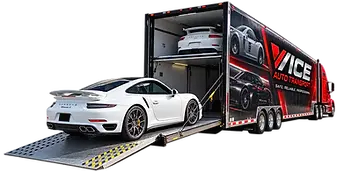
Open transport is the most common and usually the most budget-friendly. It works well for everyday vehicles and standard moves. Enclosed transport costs more, but it gives extra protection for classics, luxury cars, exotics, and show vehicles.
There are also situations where flatbeds, hotshot trucks with ramps, step-decks, or RGNs make more sense than a standard car hauler. When the load is unusual, the equipment changes, and the quote should reflect that clearly.
Timing and season
If you need fast pickup, expect a higher rate than a shipment with flexible scheduling. Carriers price around what is available right now, not what the market looked like two weeks ago.
Season also plays a role. Snowbird traffic, summer relocations, year-end moves, weather disruptions, and fuel swings all affect pricing. A route that was easy last month may tighten up quickly when demand spikes.
How to compare quotes the right way
The best way to compare auto transport quotes is to compare the scope, not just the total. Ask what service is actually included. Is it open or enclosed? Door-to-door or terminal-style coordination? Is the quote based on flexible scheduling, or a more defined pickup window?
You also want to know whether the vehicle information is complete. A quote for a standard sedan is not useful if the vehicle is actually a long-bed pickup with a lift kit. Small differences in the description can lead to real pricing gaps.
Communication matters too. A good quote should come with clear answers, not vague promises. If you ask how the route works, what kind of trailer is expected, or whether the destination can handle a full-size transporter, you should get direct information.
That is often the difference between a smooth move and a stressful one. Solid quoting starts with honest details and realistic expectations.
When the lowest quote is not the best value
There are times when a low quote works out fine. There are also times when it leads to waiting, confusion, or a last-minute rate change when the job proves harder than expected.
This happens often with difficult routes, non-running vehicles, oversized units, and port-related moves. If the pricing does not reflect the real level of effort, carriers may pass on the shipment until the rate improves. That delay can create problems if you are timing a move, a dealership delivery, or a customer handoff.
Value usually comes from a quote that is accurate, not artificially low. A fair rate gives the shipment a real chance to move on time and with the right equipment.
What information helps you get an accurate quote
Accurate pricing starts with accurate input. The basics are pickup and delivery zip codes, vehicle year, make, and model, plus whether the vehicle runs and whether the dates are firm or flexible.
Beyond that, it helps to mention anything unusual up front. That includes oversized tires, lowered suspension, added roof racks, mechanical issues, personal items, or limited access at either address. If the truck cannot safely reach the residence, a nearby lot or wider meeting point may be needed.
For offshore and port-based shipments, clarity matters even more. You may need to discuss port drop-off, document timing, delivery from port to home, or whether the shipment involves one carrier or several stages. A quote should fit the full move, not just part of it.
What first-time shippers should pay attention to
If this is your first time arranging vehicle shipping, do not overcomplicate it. Focus on the practical questions. What equipment is best for your vehicle? How flexible are your dates? Is your route common or more specialized? What condition is the vehicle in?
You should also think about your comfort level. If you are shipping a family SUV to another state, open transport may be the right fit. If you are moving a collector car or a high-value vehicle, enclosed service may be worth the extra cost. There is no one-size-fits-all answer. The right quote depends on what you are shipping and how much protection or speed you want.
For experienced shippers, the process is less about learning the basics and more about confirming the details. They know that route density, trailer type, and timing can change pricing fast. What they want is fast communication and a quote that holds up once the vehicle is ready.
A practical way to think about pricing
Instead of asking, “What is the cheapest way to ship this car?” ask, “What is the most sensible quote for this move?” That small shift usually leads to better decisions.
A sensible quote takes into account the actual lane, the actual vehicle, and the actual deadline. It also leaves room for the realities of transport - weather, carrier schedules, equipment availability, and route demand. That is how you avoid being surprised later.
At Vice Auto Transport, that hands-on approach matters because no two shipments are exactly alike. A straightforward sedan move from one major city to another is one thing. A non-running truck headed to a port, or an enclosed shipment for a collector vehicle, is something else entirely.
When you request a quote, the best outcome is simple: clear pricing, the right transport setup, and a realistic plan from pickup to delivery. That kind of quote does not just help you book faster. It helps you move forward with fewer headaches.


Comments