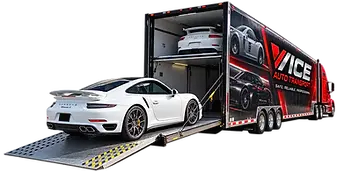


A Nonrunning Car Transport Guide for Buyers

A vehicle does not need to start to be shipped, but it does need to be described accurately. That distinction matters more than most buyers realize. A car with a dead battery is very different from a car with locked wheels, a missing key, or a transmission that will not shift into neutral. This nonrunning car transport guide explains what carriers need to know before pickup, why disabled vehicles cost more to move, and how to avoid the delays that can turn a simple shipment into a difficult one.
Most nonrunning vehicles move on open carriers, including cars purchased from Copart, IAA, dealer auctions, private sellers, and out-of-state listings. Enclosed transport is also available for classics, high-value vehicles, and cars that need extra protection. The key is matching the vehicle's actual condition to the right truck, equipment, and loading plan.
What “nonrunning” means to a car carrier
In auto transport, nonrunning does not always mean the engine is completely dead. It generally means the driver cannot drive the vehicle onto and off the trailer under its own power. A car may run but still be treated as inoperable if it cannot steer, brake, roll freely, or shift properly.
When requesting a quote, explain whether the vehicle starts, steers, brakes, rolls, and goes into neutral. Also mention flat tires, missing wheels, low ground clearance, leaking fluids, body damage, or a damaged suspension. These details are not minor fine print. They determine whether the carrier can load the car with a winch, whether extra labor is needed, and whether the vehicle can safely fit on the assigned trailer.
A good rule is simple: if you would hesitate to drive the car ten feet in a parking lot, describe it as nonrunning or disabled. It is better to have the correct equipment arranged up front than to have a carrier arrive expecting a drivable car.
Why nonrunning car transport costs more
A running car can be driven onto a trailer, secured, and unloaded in a few minutes. A nonrunning car often requires a winch, careful positioning, additional time, and sometimes specialized equipment. That is why the price is typically higher than shipping the same vehicle in running condition.
The amount varies by route and condition. A vehicle that rolls, steers, and has inflated tires may only require a standard winch load. A car with seized wheels or no access to the interior can require significantly more work. On a high-volume route, such as Florida to the Northeast or California to Texas, more carrier options may help. A remote pickup, unusual vehicle condition, or short-notice auction deadline can narrow the available choices.
The cheapest quote is not always a usable quote. If a price assumes the vehicle runs and the carrier finds out otherwise at pickup, the driver may request an additional fee, decline the load, or be unable to load it safely. Honest condition details lead to a more realistic quote and a better chance of a smooth pickup.
The equipment your vehicle may need
Most transport carriers use a winch for an inoperable vehicle. The winch pulls the car onto the trailer slowly using a cable, provided the wheels can roll and the vehicle can be guided into position. A standard open carrier may have a winch, but not every truck does. That is why this needs to be confirmed before dispatch.
Some vehicles need more than a basic winch. A low-clearance sports car, for example, may need ramps or a trailer setup that reduces the loading angle. A vehicle with locked wheels may need dollies or more specialized recovery equipment. If the car is badly damaged, sits extremely low, or cannot roll at all, the options become more limited and the cost can increase.
Do not assume a carrier can solve every condition problem at the curb. Car carriers are built to transport vehicles, not perform recovery work. They may be able to winch a disabled car aboard, but a vehicle buried in a field, blocked by other cars, or missing multiple wheels may need separate preparation before the transport truck arrives.
Keys, access, and tire condition matter
Provide at least one working key whenever possible. The driver may need access to release the steering lock, shift into neutral, open the hood, or release the parking brake. If there is no key, say so before booking. A missing key does not automatically prevent shipping, but it changes the loading plan.
Tires should hold air well enough for the vehicle to roll. If a tire is flat, let the transport coordinator know. If wheels are missing, damaged, or locked, send clear photos. Photos are often the fastest way to determine whether a standard winch-equipped carrier is appropriate.
Auction pickups need extra attention
Auction vehicles are a major source of nonrunning shipments, especially from Copart and IAA. The condition report may be incomplete, and a listing labeled “run and drive” does not mean the vehicle will still start days later. Batteries die, keys go missing, and damage can be worse than it appeared online.
Before arranging pickup, verify the release status, storage deadline, lot hours, and whether the auction requires the carrier to bring a gate pass or buyer number. Some lots have rules for loading in certain areas or require the driver to check in before entering. Storage fees can begin quickly, so it helps to plan before the vehicle is released rather than after the deadline is close.
Send the VIN, lot number, exact auction location, and condition notes to your transport specialist. If the listing photos show front-end damage, a collapsed suspension, or deployed airbags, share those too. The carrier needs a realistic picture of what will be waiting at the lot.
Preparing a disabled vehicle for pickup
You do not need to restore a nonrunning car before shipping it, but a few practical steps can make loading safer and faster. Remove loose personal items, aftermarket parts, and anything that could move around inside the vehicle. Take dated photos from all sides, including existing damage, and keep a copy of the auction listing if applicable.
Make sure the vehicle is accessible. A car blocked in a garage, parked behind another vehicle, or sitting on soft ground can create a problem even if it is otherwise easy to winch. If the pickup location cannot accommodate a large transport truck, the driver may arrange a nearby meeting point. This is common on narrow residential streets, dense neighborhoods, and some rural roads.
Keep the fuel level low, ideally around one-quarter tank or less. Extra fuel adds weight and is unnecessary for a car that will not be driven. If the vehicle has a fluid leak, disclose it. Small leaks do not always prevent transport, but carriers need to know what they are handling.
Insurance and the condition report
Licensed carriers carry cargo insurance, but coverage is not a substitute for documentation. The pickup and delivery inspection, often called the bill of lading, records the vehicle's visible condition before and after transport. Review it with the driver, point out existing damage, and take your own photos in good lighting.
For a heavily damaged auction car, documentation is especially important because the vehicle may already have dents, broken glass, missing parts, or structural damage. The carrier is responsible for transport-related damage, not pre-existing condition or mechanical issues. If you have questions about coverage limits or the carrier's insurance certificate, ask before the vehicle is assigned.
How to book without creating surprises
Start with the complete picture: pickup and delivery ZIP codes, vehicle year, make, model, condition, whether it rolls and steers, and any auction or storage deadlines. A transport broker can use that information to locate a properly equipped carrier and coordinate communication from dispatch through delivery.
Be flexible where you can. Exact pickup appointments are harder with nonrunning vehicles because the carrier needs the right equipment and trailer space. A reasonable pickup window gives the shipment more opportunity to match with a carrier that is already moving through your route. If timing is critical, say so early so the quote reflects the actual urgency.
The right plan is not necessarily the fastest-looking quote or the lowest number on a form. It is the plan that accounts for the vehicle's real condition before a truck is sent. If you are not sure whether your car qualifies as nonrunning, send the details and a few photos. Vice Auto Transport can help sort out what equipment is needed, then let the right carrier handle the miles.


Comments