


.png)


Is Open Car Transport Safe? What to Expect

A car moving down the highway on the top deck of a multi-car trailer can look exposed, especially when it is your car. So, is open car transport safe? For most everyday vehicles, yes. Open transport is the standard method used to move millions of cars across the country, including dealer inventory, online vehicle purchases, relocations, and seasonal moves. The key is working with a properly vetted carrier, understanding normal road exposure, and choosing the service level that matches your vehicle and expectations.
Open shipping is not risk-free, because no form of highway transportation is. But it is a practical, dependable, and budget-conscious choice for most cars, trucks, and SUVs.
How Open Car Transport Keeps Vehicles Secure
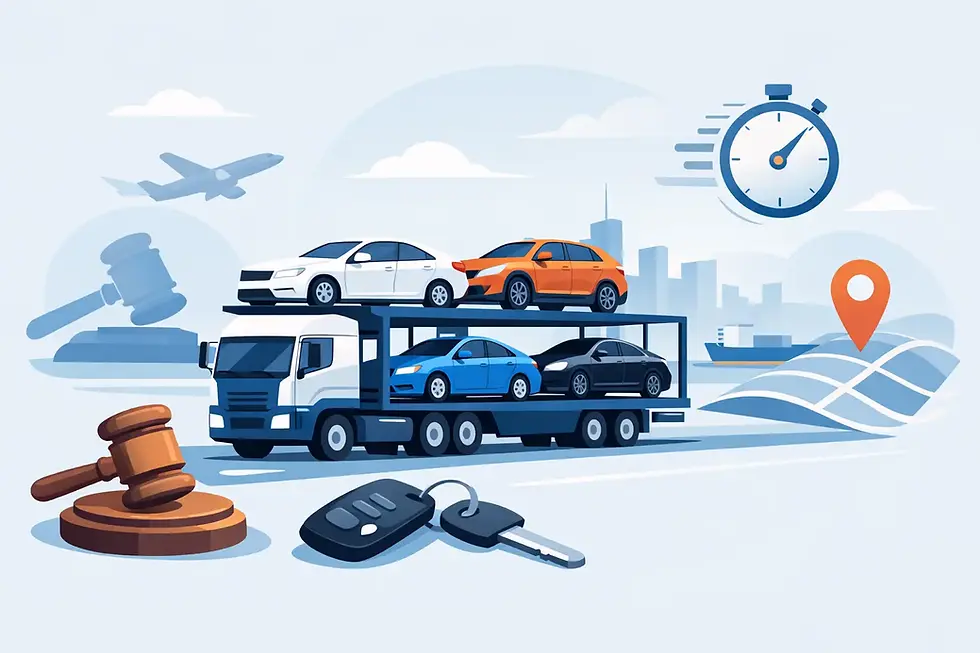
Open car carriers are the familiar double-deck trailers that typically haul seven to ten vehicles at once. Each vehicle is loaded onto a designated position, then secured to the trailer using wheel straps, tire nets, chains, or other approved tie-down equipment. The carrier's job is to make sure the vehicle remains stable throughout loading, transport, and unloading.
A professional driver does more than simply strap a vehicle down and leave. They inspect the load, confirm clearance between vehicles, manage weight distribution, and recheck securement during the trip. Cars are positioned based on their size, ground clearance, operating condition, and delivery order. This planning matters because an improperly loaded trailer can create avoidable movement, clearance issues, or delays.
Modern open carriers are designed for this work. Their ramps, decks, hydraulic systems, and securement points are built to handle passenger vehicles over long distances. For standard daily drivers, pickups, SUVs, and many used or new vehicle purchases, open transport provides a level of security that makes sense for the price.
What Risks Come With Open Auto Transport?
The main difference between open and enclosed shipping is exposure. An open trailer does not shield your vehicle from weather, road dust, bugs, or small pieces of road debris. Your car may arrive dirty after traveling several states, particularly during winter weather or on routes with construction and heavy truck traffic.
Cosmetic exposure is the most common concern. A vehicle can pick up dust, rain spots, or grime just as it would during a long road trip. Minor road debris is possible, although significant damage is uncommon when a vehicle is properly loaded and the carrier is operating safely.
There is also a practical loading consideration. Vehicles on an upper deck may have more clearance from road spray, while vehicles on a lower deck may be more exposed to weather and debris from the road. Positioning is based on the carrier's load plan, so it should not be treated as a guaranteed choice. If placement is especially important to you, raise the question when arranging your shipment.
The other risk is not unique to open transport: scheduling can change. Traffic, weather, mechanical issues, carrier hours-of-service rules, and delivery stops all affect transit timing. A reputable transport coordinator will set realistic expectations and keep communication clear instead of promising an exact delivery hour that highway conditions may not allow.
Is Open Car Transport Safe for Your Vehicle Type?
For a typical vehicle, open shipping is usually the right fit. It is commonly used for sedans, crossovers, SUVs, trucks, work vehicles, and vehicles purchased from dealerships or private sellers. It is also a strong option for families moving between states, snowbirds relocating seasonally, and customers who want to avoid adding miles and wear to their vehicle.
The decision changes when the vehicle has an unusually high value or needs extra protection. Enclosed transport is often worth considering for exotic cars, classics, rare collectors, show vehicles, restored automobiles, and luxury vehicles with extremely low ground clearance. It can also be the better choice when the vehicle has a fresh custom paint job or when you simply want maximum protection from outside conditions.
That does not mean every expensive vehicle must move enclosed. Some owners are comfortable using open transport for a valuable vehicle, while others prefer the added peace of mind of an enclosed trailer. The right choice depends on the vehicle's value, condition, purpose, route, season, and your budget.
Low-Clearance and Non-Running Vehicles
Safety also depends on using the right equipment. Low-clearance cars may need a trailer with longer ramps, lift-gate capability, or careful loading procedures to prevent scraping. A vehicle that does not run may require a winch. Oversized trucks, equipment, and modified vehicles may need a flatbed, step-deck, hotshot setup, or another specialized option.
Giving accurate details before booking helps the carrier bring the correct equipment. Share the year, make, model, modifications, ground clearance concerns, operating condition, and any known mechanical issues. A clear description upfront prevents last-minute surprises at pickup.
How to Make Open Car Shipping Safer
A smooth shipment starts before the truck arrives. Take clear, date-stamped photos of the vehicle from every angle, including close-ups of existing scratches, dents, chips, and wheel condition. The carrier will also complete a pickup inspection, usually documented on a bill of lading. Review it before signing and make sure pre-existing damage is accurately noted.
Remove personal belongings, loose accessories, toll tags, and valuables from the vehicle. Federal transport rules and carrier policies can restrict household items inside shipped vehicles, and unsecured items can shift during transit. Leave only what has been approved in advance.
Make sure the vehicle can be accessed at pickup and delivery. Large car carriers need room to turn, load, and park safely. If your residential street is narrow, steep, restricted, or crowded, the driver may arrange a nearby meeting point such as a wide shopping center lot or truck-friendly road. That is not a downgrade in service. It is often the safest way to complete pickup or delivery.
Keep the fuel level low, generally around one-quarter tank. This reduces unnecessary weight while leaving enough fuel for loading and unloading. Check the battery, tires, and fluids as well. If the vehicle has a leak or mechanical concern, communicate it before dispatch.
Carrier Vetting and Insurance Matter More Than Trailer Style
The safest open transport experience comes from the people handling the shipment. A lower quote is not always the best value if it comes with poor communication, unclear coverage, or a carrier that is not equipped for your vehicle.
Ask how the vehicle will be transported, whether the assigned carrier has active cargo insurance, and what the inspection process looks like. You should understand who is responsible for pickup, what contact information you will receive, and what to do if you notice an issue at delivery. Before accepting the vehicle, inspect it in daylight when possible and compare its condition with your pickup photos and paperwork.
At Vice Auto Transport, the focus is on matching each shipment with the appropriate carrier and transport method, whether that is an economical open trailer or a more protective enclosed option. Clear vehicle details and realistic scheduling make that match more accurate.
When Enclosed Transport Is the Better Investment
Choose enclosed transport when the added protection has a clear value to you. It shields the vehicle from rain, snow, sun, dust, and road debris, and it generally offers a more controlled environment for high-end or sensitive vehicles. The trade-off is cost. Enclosed shipping is usually more expensive because enclosed trailers carry fewer vehicles and serve a more specialized market.
Open transport makes more sense when your priority is dependable delivery at a lower rate and the vehicle is designed for normal road use. For most customers, a professional open carrier provides the right balance of protection, availability, and cost.
Your vehicle does not need to be driven hundreds or thousands of miles just because it is not a collector car. With the right carrier, thorough inspection paperwork, and honest communication about the vehicle's condition, open transport is a safe, proven way to get it where it needs to go.


Comments