

Carrier Insurance Review Checklist for Car Shipping

A low quote is not much of a win if the truck assigned to your vehicle has weak or expired coverage. A carrier insurance review checklist helps you look past the price and confirm that the company physically hauling your car has appropriate insurance before pickup.
That does not mean every shipment needs the same level of coverage. A daily-driver sedan on an open carrier, a $90,000 classic in enclosed transport, and a non-running auction vehicle each come with different risks. The goal is to ask clear questions, document the vehicle well, and understand what the carrier's policy does and does not cover.
Start With the Carrier, Not Just the Broker
Many customers understandably ask whether their broker is insured. A broker should carry its own business coverage, but that is not the policy that normally pays for physical damage to your vehicle while it is being transported. The motor carrier moving the vehicle should have active cargo insurance and liability coverage.
A reputable auto transport broker can help screen carriers and request insurance information before assigning a truck. Still, the carrier's name, DOT number, and insurance details matter because that is the company taking possession of the vehicle. Ask who has been assigned before pickup, not just who is arranging the shipment.
If the carrier changes, ask for the updated information. Carrier substitutions can happen because of route changes, mechanical issues, or scheduling conflicts. It is normal to verify the replacement carrier rather than assume the original review still applies.
Carrier Insurance Review Checklist: What to Verify
Insurance is not a single yes-or-no box. Work through these points before the driver arrives, especially when shipping a high-value, specialty, or recently purchased vehicle.
Confirm the policy is active
Ask for proof of current cargo insurance and confirm the carrier's operating authority is active. A certificate of insurance is useful, but look at its effective and expiration dates. Policies can lapse, and old paperwork does not protect a current shipment.
If anything on the document seems unclear, ask the broker or carrier to explain it. A legitimate question about insurance should not be treated as a problem. Clear communication before pickup is far easier than trying to sort out an issue after a claim.
Check cargo coverage, not only liability coverage
Commercial auto liability and cargo coverage are different. Liability coverage generally addresses harm a commercial vehicle may cause to other people or property. Cargo insurance is the coverage most relevant to damage to the vehicle being transported.
Ask specifically how much cargo coverage the carrier carries. Then consider how that amount relates to your vehicle's value and the other vehicles likely sharing the trailer. A carrier may have coverage that sounds substantial but is spread across several cars on the load. For an exotic, collector car, or high-value luxury vehicle, the available cargo limit deserves a closer look.
Ask about exclusions and restrictions
Every policy has terms. The practical question is whether there are exclusions that could affect your shipment. Common areas to clarify include personal items left in the vehicle, aftermarket accessories, convertible tops, loose parts, inoperable vehicles, and damage related to undisclosed vehicle conditions.
Personal belongings are a frequent source of confusion. Carrier cargo insurance is generally intended for the vehicle, not suitcases, electronics, tools, or other items placed inside it. A few lightweight personal items may be allowed by the carrier, but they are often not covered and can create weight or compliance issues. Do not use your car as a moving container.
For modified or specialty vehicles, tell the transport coordinator and carrier what makes the vehicle different. Low ground clearance, an oversized roof rack, wide tires, nonstandard dimensions, or a vehicle that will not start all affect loading plans. Full disclosure helps prevent both damage and insurance disputes.
Understand the deductible question
Ask whether the cargo policy has a deductible and how claims are handled in practice. The existence of a deductible does not automatically mean the customer pays it. However, you should not assume the answer. Get clarity on the carrier's claim process, who handles communications, and what documentation will be required.
A claim also depends on proving that new damage occurred during transport. That is why the inspection process matters just as much as the policy limit.
Match transport type to the vehicle and season
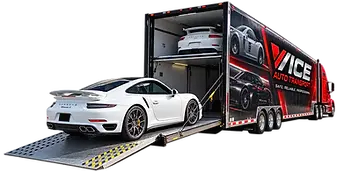
Open transport is the standard choice for most operable vehicles. It is cost-effective and generally safe, but the vehicle remains exposed to weather, road dust, and normal highway conditions. Enclosed transport costs more because capacity is limited and equipment is specialized, but it adds protection from the elements and may be a better fit for classic, exotic, luxury, or freshly restored vehicles.
Enclosed shipping is not a promise that nothing can happen. It reduces certain exposure, but loading, unloading, traffic, and mechanical issues are still real parts of vehicle transport. Insurance and inspections remain necessary on every shipment.
The Bill of Lading Is Your Best Evidence
Insurance helps after a problem. The bill of lading helps establish whether there is a valid claim in the first place.
At pickup, the driver should inspect the vehicle and record its condition on the bill of lading or electronic inspection report. Walk around the car with the driver when possible. Look closely at the bumper corners, rocker panels, wheels, windshield, roof, mirrors, and any existing scratches or dents. Take clear, time-stamped photos from multiple angles before the vehicle is loaded.
Do the same at delivery before signing the final paperwork. If you see new damage, note it on the bill of lading before you sign. Take detailed photos, including wider shots that show the location on the vehicle, and notify the carrier and broker promptly.
Do not let a rushed handoff push you into signing that everything is fine if you have not had a reasonable chance to inspect. Nighttime delivery, rain, dirt, or a tight pickup location can make inspection harder. If visibility is poor, document that fact and communicate it right away. At the same time, be fair about pre-existing wear and road grime. A claim should be based on actual, documented new damage.
Watch for Red Flags Without Assuming the Worst
A low price alone does not prove a carrier is uninsured, but an unusually cheap quote can create pressure to use a truck that is not a good fit for the route or vehicle. Pricing in auto transport depends on distance, lane demand, vehicle size, season, equipment, and how quickly the vehicle needs to move. The lowest number is not always the most realistic number needed to secure a qualified carrier.
Be cautious when someone will not identify the assigned carrier before pickup, cannot provide current insurance information, dismisses questions about cargo coverage, or pressures you to send a large payment before basic details are clear. Another concern is a company that promises a guaranteed pickup or delivery date without explaining the limits of trucking schedules, weather, traffic, and driver hours.
On the other hand, not every imperfect document is a scam. Insurance certificates can be formatted differently, and dispatch plans can change. Ask questions, verify the details, and judge the response. A professional transport team should explain what it knows, say when it needs to confirm something, and keep you informed.
Special Situations That Need Extra Attention
Auction buyers should review insurance and inspection procedures carefully. Copart, IAA, and other auction vehicles may have undisclosed damage, missing parts, flat tires, or inoperable conditions before pickup. Photos from the auction listing are helpful, but they are not a substitute for documenting the vehicle's condition at release. Make sure the carrier knows whether it runs, rolls, steers, and brakes.
For a classic or exotic vehicle, provide an accurate declared value and explain any special handling needs. If the vehicle has a low front splitter, air suspension, a custom cover, or limited ground clearance, that information should be shared before a carrier is selected. Enclosed service and equipment such as liftgate loading may be worth the additional cost depending on the vehicle.
If someone else will receive the car, prepare them for delivery. They should know where the bill of lading is, how to inspect the vehicle, and that they should contact you immediately if something looks wrong. This matters for relocation shipments, dealership purchases, and gifts sent to a family member.
A Better Way to Choose With Confidence
Insurance is one part of a smart carrier review, alongside safety records, experience with your vehicle type, communication, route availability, and realistic pricing. No broker or carrier can remove every risk from a cross-country shipment. What good planning can do is reduce surprises and give you a clear process if something needs attention.
Before your vehicle is loaded, get the assigned carrier's details, review the active cargo coverage, photograph the car, and make sure the inspection report reflects its actual condition. If you want a second set of eyes on the paperwork or need help matching the transport option to your vehicle, Vice Auto Transport can help you ask the right questions and handle the miles.


Comments