.png)


Alaska Vehicle Shipping Services Explained

A car headed to Anchorage does not move the same way as a car headed to Dallas. That is the first thing people learn when they start comparing alaska vehicle shipping services. Shipping to or from Alaska usually involves a handoff between highway transport and port-based movement, which means the right plan matters as much as the price.
For some customers, the goal is simple - get a daily driver from Washington to Alaska without overpaying. For others, it is a truck for a jobsite, a motorcycle bought online, or a family vehicle tied to a relocation. The details change, but the questions are usually the same: how does it move, how long does it take, what affects cost, and what kind of service makes the most sense?
How alaska vehicle shipping services usually work
Most Alaska moves are not one straight shot on a truck from pickup to delivery. In many cases, the vehicle travels over land to or from a port, then continues by vessel for the Alaska portion of the trip. Depending on the route, you may be looking at door-to-port, port-to-door, or a fuller door-to-door arrangement that includes both ground transport and port coordination.
That is why Alaska shipping tends to require more planning than standard lower-48 transport. Port schedules, weather, seasonal demand, and the final delivery location all affect timing. If your vehicle is going to a major hub, the process is usually more straightforward. If it is heading beyond the main population centers, the route may need added coordination.
This is also where experience matters. A customer booking a shipment to Alaska is not just buying truck space. They are buying a logistics plan that accounts for transitions, documentation, and realistic scheduling.
The main service options for Alaska shipments
Open transport is the most common choice for standard cars, SUVs, and many trucks. It is usually the more budget-conscious option and works well for everyday vehicles. If your vehicle does not require special protection and your priority is practical, cost-aware shipping, open transport often makes sense.
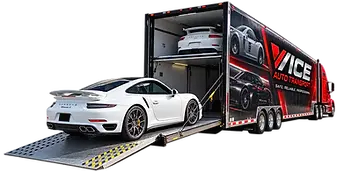
Enclosed transport is better suited for high-value, classic, luxury, or specialty vehicles. It costs more, but it adds a stronger layer of protection from road debris and weather during the overland portion of the move. For customers shipping a collector vehicle to or from Alaska, that extra protection can be worth it.
Some shipments need more than a standard car hauler. Oversized trucks, equipment, machinery, and freight may require flatbeds, step-decks, hotshot trucks with ramps, or RGNs. Alaska-bound logistics can get more complex when the load is not a standard passenger vehicle, so matching the load to the right equipment is a big part of avoiding delays and damage.
What affects the cost of alaska vehicle shipping services
Distance is an obvious factor, but it is not the only one. Alaska shipping prices are shaped by the total route, not just a mileage estimate. A vehicle moving between Seattle and Anchorage will be priced differently than one picked up in a rural Southern town and delivered to a less accessible area in Alaska.
Vehicle size matters too. Larger pickups, lifted trucks, heavy SUVs, and oversized units take up more space and can be harder to load. Inoperable vehicles can also cost more because they require special handling and equipment.
Transport type changes the price. Open shipping usually costs less than enclosed shipping, while specialized hauling for equipment or non-standard loads can raise the total further. Timing also matters. If you need tighter scheduling or are shipping during a busy relocation season, rates may be higher.
Then there is location. Major metro areas and common shipping lanes are generally easier to service. Remote pickups and deliveries often involve extra coordination, longer lead times, or added cost. That does not mean remote service is out of reach. It just means the quote should reflect the real logistics rather than a best-case guess.
Transit times and why estimates can vary
Customers often want one exact delivery date, but Alaska transport rarely works that way. A better approach is to think in pickup and delivery windows. Ground carriers, port operations, and vessel schedules all have to line up, and each stage can affect the next.
Weather is a real factor. Alaska routes can be affected by seasonal conditions, and port schedules can shift. Even when the route is planned well, flexibility helps. A reliable transport partner should be clear about that from the start instead of promising a timeline that sounds good but does not match reality.
If your move has a hard deadline, say so early. That does not guarantee an exact arrival day, but it does help shape the best routing strategy. In some cases, adjusting the pickup point, delivery point, or service type can improve timing.
When door-to-door is realistic and when it is not
People like door-to-door shipping because it is convenient, and in many cases it is available for Alaska-related moves. Still, "door-to-door" does not always mean a large carrier can physically reach your exact driveway. Narrow roads, low branches, neighborhood restrictions, and difficult terrain can all affect access.
When that happens, the solution is usually simple. The carrier may arrange pickup or delivery at a nearby open area such as a shopping center, lot, or wider road that is safer for loading. That is still a practical version of door-to-door service, and often the best one.
Port-based service is also common. Some customers prefer door-to-port or port-to-door because it lowers cost or fits their own schedule better. It depends on the route, the budget, and how much hands-on coordination the customer wants to handle personally.
Choosing the right transporter for Alaska moves
Not every auto transport setup is built for Alaska. A company may handle lower-48 shipments every day and still struggle with port coordination, offshore scheduling, or specialized equipment needs. That is why it helps to work with a team that understands both standard domestic transport and non-contiguous shipping.
Clear communication is a strong sign you are talking to the right provider. You should be able to get a straightforward explanation of the route, the likely timeline, the service type, and any handoff points. If the answers stay vague, the process usually gets harder later.
It also helps to choose a company that can handle more than one shipping format. Some customers start by asking about a sedan, then realize they also need to move a second vehicle, a motorcycle, or work equipment. A broader service mix gives you more flexibility without having to restart the search.
Vice Auto Transport, operating as Vice One Logistics, fits this kind of job well because its service area goes beyond the continental U.S. and includes Alaska along with other non-contiguous destinations. That wider reach matters when a shipment needs more than a basic highway route.
How to prepare your vehicle before shipping
Preparation does not need to be complicated, but it should be done carefully. The vehicle should be reasonably clean so its condition can be inspected at pickup. Personal items should be removed unless you have been told otherwise, and any loose accessories should be secured.
You will also want to make sure the battery is charged, the tires are properly inflated, and there are no active fluid leaks. For operable vehicles, keeping about a quarter tank of fuel is standard. That gives the carrier enough fuel to load and unload the vehicle without adding unnecessary weight.
Take clear photos before transport begins. This protects you and creates a clean record of the vehicle's condition. If the vehicle has any quirks, such as a tricky ignition, a low front end, or an alarm issue, mention them before pickup. Small details can prevent big headaches.
Who uses Alaska vehicle transport most often
Families relocating are a major part of the market, especially when driving the entire route is not practical. Online vehicle buyers also use Alaska shipping often, particularly when the right car, truck, or motorcycle is found out of state. Seasonal residents, military-related movers, and commercial customers all have slightly different priorities, but they usually want the same core things - fair pricing, honest timing, and a process that does not require constant chasing for updates.
Dealerships and fleet customers often need repeatable logistics, not one-off promises. Private owners may need more guidance because it is their first time shipping a vehicle. A good transport partner should be able to serve both without overcomplicating the process.
The smartest way to approach an Alaska shipment
The best results usually come from treating the quote as a route plan, not just a number. A low price that ignores port timing, equipment needs, or rural access issues can cost more later in delays and frustration. A useful quote should reflect the real shipment, the real vehicle, and the real pickup and delivery points.
If you are planning ahead, gather the basics early: vehicle type, operable status, origin and destination zip codes, and your target timing. That gives the transport team enough information to guide you toward the right option, whether that is open shipping, enclosed shipping, or a more specialized setup.
Alaska shipping is not hard when it is organized well. It just asks for a provider that understands the route, explains the trade-offs clearly, and builds the move around what you actually need.


Comments