.png)


Best Car Shipping Options Explained

If you're shipping a car from Florida to Texas, moving a family vehicle to Hawaii, or buying a classic car from across the country, the best car shipping options are not all the same. The right choice depends on your vehicle, your timeline, your pickup and delivery locations, and how much protection you want during transit.
That is where many customers get stuck. They start by asking for the cheapest price, then realize the lowest quote may not match the type of service they actually need. A daily driver headed down a major interstate usually has very different transport needs than a lifted truck, a non-running SUV, or a collector car headed to a port.
What the best car shipping options really depend on
Car shipping is not one-size-fits-all. A good transport setup balances cost, equipment, route access, and timing. If your vehicle runs, sits at standard height, and is traveling between well-served metro areas, you will usually have more flexible and affordable choices. If it is oversized, inoperable, high-value, or moving to a non-contiguous destination like Alaska, Hawaii, Puerto Rico, Guam, or the U.S. Virgin Islands, the planning gets more specific.
The biggest factors are simple. What kind of vehicle are you shipping? How quickly does it need to move? Can a large carrier reach your pickup and delivery address? Are you trying to save money, reduce handling, or add protection? Once those questions are answered, the best option usually becomes clear.
Open transport is still one of the best car shipping options for most people
For standard cars, SUVs, and pickup trucks, open transport is usually the most practical choice. This is the trailer style most people see on highways - multi-car carriers moving several vehicles at once. Because open trailers are widely available and efficient to load, they are typically the most budget-friendly option.
Open transport works well for daily drivers, dealership inventory, auction purchases, relocations, and college or military moves. If your vehicle can handle normal road exposure, this option often makes the most financial sense. It gives you access to the broadest carrier network and can be easier to schedule on common interstate routes.
The trade-off is exposure. Your vehicle is not boxed in, so it will experience the same weather, dust, and road conditions it would see while being driven. For many customers, that is acceptable. For others, especially owners of luxury, exotic, or restored vehicles, enclosed service may be worth the added cost.
When enclosed transport is the better fit
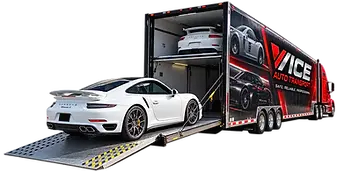
Enclosed transport is designed for customers who want a higher level of protection. The vehicle travels inside a covered trailer, which helps shield it from weather and road debris. That added protection is why enclosed shipping is often chosen for classic cars, sports cars, show vehicles, luxury models, and low-clearance vehicles.
This option costs more, and availability can be tighter than open transport, especially on less common routes. But if the vehicle has high value - financially or personally - enclosed service can be the right call. It is also a smart choice when you want to limit exposure during long-distance transport or when the car has custom paint, delicate trim, or collector-grade condition.
There is no need to overbuy service, though. If you are transporting a standard family sedan and the goal is staying on budget, open transport is usually enough. Enclosed shipping makes the most sense when protection is a priority, not just when it sounds premium.
Door-to-door vs. terminal and port service
One of the most overlooked parts of shipping is how the vehicle gets handed off. Door-to-door service is the easiest option for most customers. In practice, this means the carrier picks up and delivers as close to your address as safely and legally possible. If your street is too tight for a large truck, the driver may arrange a nearby parking lot or open area instead.
Door-to-door service is popular because it saves time and reduces coordination. Families relocating, snowbirds, online vehicle buyers, and busy professionals usually prefer this setup because it keeps the process simple.
Terminal service can sometimes be used in certain markets, but it is less convenient and less common for many customers who want direct scheduling. Port-based service is different. If a vehicle is moving to or from Hawaii, Puerto Rico, Guam, or the U.S. Virgin Islands, you may need door-to-port or port-to-door arrangements as part of the route. In those cases, the best car shipping options depend on both inland transport and ocean-side coordination.
Specialized equipment matters more than people realize
Not every vehicle belongs on a standard car hauler. If you are shipping an oversized truck, a non-running vehicle, heavy equipment, or something with unusual dimensions, the trailer type matters just as much as the route.
Flatbeds are useful for certain oversized or difficult loads. Hotshot trucks with ramps can help with faster, more flexible transport on shorter or specialized runs. Step-decks and RGNs are better suited to taller or heavier machinery and equipment that standard auto trailers cannot handle. For inoperable vehicles, the carrier may need a winch or special loading setup, which affects pricing and scheduling.
This is where experience matters. A customer might ask for car shipping and actually need a specialty freight solution. Getting the equipment right from the start prevents delays, reloads, and surprise fees.
The cheapest option is not always the best option
Price matters. It should. But a low quote only helps if the service is realistic for your route and vehicle. In car shipping, rates are shaped by distance, route demand, season, vehicle size, operability, trailer type, and how flexible your dates are.
For example, shipping between major cities on a common route usually costs less than shipping from a rural area with limited carrier access. A compact sedan generally costs less to move than a large SUV or lifted truck. If you need enclosed service, expedited pickup, or specialty equipment, expect the rate to go up.
A good quote should match the actual job. If the number sounds unusually low, ask what type of trailer is included, whether the vehicle needs to be running, how pickup windows work, and whether your addresses are fully accessible. Clear answers matter more than a bargain that falls apart once dispatch starts.
How to choose among the best car shipping options
Start with the vehicle itself. If it is a standard daily driver, open transport is likely the best place to begin. If it is high-end, antique, customized, or low-clearance, enclosed transport deserves a serious look.
Next, think about the route. State-to-state moves in the continental U.S. are usually straightforward, especially on common lanes. Shipping to Alaska, Hawaii, Puerto Rico, Guam, or the U.S. Virgin Islands often requires added coordination and a provider that understands both inland and port-side logistics.
Then look at timing. If your dates are flexible, you may have more pricing options. If you need faster turnaround, you may need to prioritize availability over cost. Also consider whether the vehicle runs, whether it has any modifications, and whether the pickup or delivery address can handle a large truck.
If you are not sure what service fits, that is normal. First-time shippers often do not know whether they need open or enclosed, direct pickup or port service, or standard transport versus specialty equipment. A good shipping partner should walk you through the trade-offs in plain language, not bury you in logistics terms.
Common situations and the smartest fit
For a family relocation, open door-to-door transport is often the most sensible option because it keeps costs manageable and the process simple. For an online car purchase, the best setup depends on the value and condition of the vehicle. A used commuter car may do fine on an open trailer, while a collector purchase may be better protected in an enclosed one.
For seasonal moves, especially between mainland states and island destinations, it helps to plan early and confirm how the inland and port portions of the shipment will connect. For dealerships and commercial accounts, consistency matters as much as price. Reliable scheduling, clear communication, and access to different trailer types can make a real difference across multiple shipments.
Companies like Vice Auto Transport handle a wide range of these situations because the equipment and coverage options are broader than what many customers expect from a standard auto shipping setup.
A smart shipping decision is not about picking the fanciest option. It is about matching the service to the vehicle, route, and budget without creating unnecessary risk or cost. If you ask the right questions up front, the process gets a lot easier - and so does the delivery.


Comments