

Delivery Inspection Checklist for Your Vehicle

A carrier has arrived, the vehicle is off the trailer, and everyone is ready to finish the handoff. This is the moment a delivery inspection checklist matters most. A careful five- to ten-minute walk-around gives you a clear record of the vehicle’s condition before you sign the final delivery paperwork and the driver leaves.
Most deliveries go smoothly. Still, shipping involves loading, unloading, road debris, weather, tight pickup locations, and sometimes long distances. A documented inspection protects you, gives the carrier a fair chance to respond to a legitimate issue, and keeps a small concern from becoming a frustrating he-said, she-said situation later.
Why the Delivery Inspection Checklist Matters
The inspection at delivery should be compared with the vehicle condition report completed at pickup. This report is commonly part of the bill of lading, or BOL. It typically includes a vehicle diagram and notes about existing scratches, dents, paint chips, cracked glass, inoperable features, and other visible conditions.
Do not treat the paperwork as a formality. The pickup report establishes the vehicle’s starting condition. The delivery report records its ending condition. If new visible damage is found, it should be noted before you sign. That documentation is usually the first item a carrier or cargo insurer will need when reviewing a claim.
You do not need to be an auto body expert. You do need to be present if possible, look at the vehicle in decent light, and ask questions before completing the paperwork. If someone else will receive the vehicle, such as a family member, dealership employee, or friend, make sure they understand this responsibility ahead of time.
What to Do Before the Driver Arrives
Preparation makes delivery easier, especially if your vehicle is arriving during a relocation, after an online purchase, or at a busy commercial location. Keep the pickup condition report accessible on your phone or in print. If you took photos before transport, have those ready as well.
Try to arrange delivery during daylight hours or in a well-lit area. Night delivery is sometimes necessary due to traffic, route timing, or customer availability, but poor lighting makes it harder to evaluate paint and body panels. If the area is too dark to inspect properly, use your phone flashlight and take clear photos. When practical, ask the driver to move the vehicle to a better-lit spot before the final paperwork is signed.
Before the inspection starts, confirm that the vehicle shown on the paperwork is yours. Check the VIN, especially when receiving a vehicle from a dealer, auction, storage facility, or port. Verify the make, model, color, and license plate when applicable.
Delivery Inspection Checklist: The Walk-Around
Start with a slow, complete walk around the vehicle. Do not focus only on the driver’s side or the most visible panels. Look at the vehicle from several angles because shallow dents, scrapes, and paint transfer can be difficult to see straight on.
Check the front bumper, hood, grille, headlights, windshield, roof, mirrors, doors, rocker panels, fenders, quarter panels, trunk or tailgate, rear bumper, and taillights. Look closely at the lower portions of the vehicle, where road debris and loading contact are more likely to appear. On trucks and SUVs, inspect running boards, bed sides, hitch areas, and roof racks. On motorcycles, check fairings, handlebars, mirrors, exhaust components, saddlebags, and exposed engine cases.
Pay attention to the wheels and tires. Look for obvious curb damage, fresh gouges, sidewall issues, or a tire that appears unusually low. Check that removable accessories noted at pickup are still present. For example, this may include a spare tire, tonneau cover, key fob, charging cable, or removable antenna.
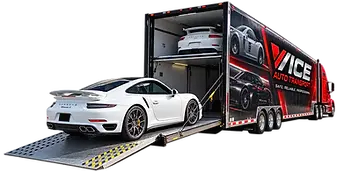
Then compare what you see with the pickup report. Existing damage is not new damage just because it is easier to notice at delivery. Conversely, do not assume a fresh mark is minor because the vehicle was shipped on an open trailer. Open transport is a practical, budget-conscious option for many vehicles, but the inspection standard remains the same. Enclosed transport can provide additional protection for collector, exotic, or high-value vehicles, yet every vehicle should still be inspected at handoff.
Use this quick checklist as you inspect:
Match the VIN and vehicle details to the bill of lading.
Compare each panel with the pickup condition report.
Check glass, lights, mirrors, wheels, tires, and exterior accessories.
Photograph the vehicle from all four corners and photograph any concerns up close.
Confirm the vehicle starts and note the mileage and fuel level when appropriate.
Test only basic functions needed to identify an obvious issue, such as doors, windows, and steering.
A short operational check is helpful, but keep it reasonable. Carriers are generally responsible for transport-related damage, not a mechanical problem that existed before shipment or a delayed issue with no visible transport-related evidence. If the vehicle is inoperable, document its condition rather than attempting to drive it.
Take Photos That Actually Help
Photos should show context. For a possible scratch or dent, take one photo from several feet away showing the panel location, then take close-ups from more than one angle. Include a photo of the pickup report beside the area when it helps establish that the condition was not previously marked.
Avoid relying on one blurry image taken in the dark. If possible, use daylight, turn off harsh flash, and keep the original image files. Timestamped photos and short videos can be useful, but clear notes on the delivery paperwork are still essential.
If You Find New Damage
Stay calm and bring the concern to the driver’s attention immediately. The goal is to document facts, not assign blame at the curb. Point out the area, compare it with the pickup report, take photos, and ask that the condition be written clearly on the delivery bill of lading before signing.
Use specific language. “Fresh dent on passenger-side rear door, approximately two inches below handle” is far more useful than “damage.” Do not sign a clean bill of lading if you have identified new, visible damage that has not been recorded. A clean signature can make a later claim much harder to support.
That said, do not write vague damage claims for pre-existing marks or concerns that cannot be verified. Accurate documentation protects everyone involved. If the driver disagrees with your assessment, note the concern anyway, retain copies of all paperwork, and contact the company that arranged your shipment promptly for next steps.
Do not wait several days to report a visible issue. Delayed reports are more difficult to investigate because the vehicle may have been driven, parked in public, washed, repaired, or exposed to other potential causes after delivery. For hidden damage that could not reasonably have been seen at the handoff, notify the transport provider as soon as it is discovered and preserve photos, paperwork, and any relevant details.
Review the Bill of Lading Before You Sign
The bill of lading is more than a delivery receipt. Review the final condition notes, make sure any new concerns are written down, and confirm that you receive a copy. If you paid a remaining balance at delivery, verify the amount and payment method before completing the handoff.
Read what you are signing. Some forms include language confirming delivery condition, payment, or receipt of the vehicle. If a notation is missing or incorrect, ask for it to be corrected while the driver is present. A professional driver should expect a reasonable inspection and clear questions.
For customers shipping to or from Alaska, Hawaii, Puerto Rico, or the U.S. Virgin Islands, the process can include additional handoffs at ports, terminals, or ocean carriers. Take the same documentation seriously at each transfer point. A vehicle may have separate condition reports for inland trucking and port movement, so keep every copy together.
Make the Handoff Work for You
A good delivery inspection is not about expecting the worst. It is about finishing a shipment with the same care used at pickup. Keep the process calm, take the time you need, document what you see, and make sure the final paperwork matches the vehicle in front of you.
If you have questions about inspection expectations, transport type, or how to prepare for a vehicle delivery, Vice Auto Transport can help you plan the handoff before your carrier is at the curb.


Comments