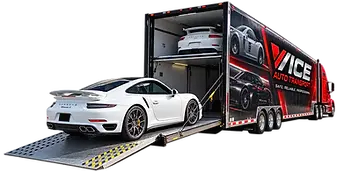


Enclosed Transport Booking: What to Know

A low-mileage classic, a new high-end purchase, or a vehicle with paint you do not want exposed to highway weather creates a different shipping decision than a daily driver. Enclosed transport booking is how you arrange a truck with a covered trailer, but the details behind that booking determine whether the process feels organized or stressful.
A covered trailer adds protection from road debris, rain, sun, and the general mess of a long interstate trip. It does not make a shipment risk-free, and it does not mean every enclosed carrier, route, or quote is the same. The goal is to match the vehicle, route, timing, and budget with a properly qualified carrier - then keep communication clear from pickup through delivery.
When enclosed shipping makes sense
Enclosed transport is often the right call for collector cars, exotic vehicles, classics, restored vehicles, luxury models, and motorcycles. It is also common for a new vehicle purchased out of state, especially when the buyer wants to limit weather exposure before the car ever reaches their driveway.
The value of the vehicle matters, but it is not the only factor. A standard vehicle with a fresh restoration, a soft top, low ground clearance, unusual dimensions, or hard-to-replace parts can be a strong candidate for enclosed shipping. Some owners simply prefer the additional protection for a cross-country move. That is a reasonable choice if the added cost fits the budget.
Open transport remains a practical option for many vehicles. It is more widely available, typically costs less, and can be easier to schedule on common routes. Enclosed is not automatically necessary because a car is expensive. The right answer depends on what you are shipping and how much exposure you are comfortable accepting.
What happens during enclosed transport booking
A good booking starts with accurate vehicle and route information. The year, make, model, pickup and delivery ZIP codes, vehicle condition, and target timing all affect the quote. So do details customers sometimes leave out, such as an inoperable vehicle, aftermarket modifications, oversized tires, a low front splitter, or a pickup location with limited room for a large truck.
The quote is based on what it will realistically take to attract an enclosed carrier for that lane. Distance matters, but supply and demand matter just as much. A shipment between major metro areas may have more carrier options than a rural pickup or delivery. Florida routes can be very active during snowbird season. Auction releases, severe weather, holidays, and short notice can also change availability.
Once you approve the plan, a broker coordinates the shipment with an available carrier. Vice Auto Transport is a broker, which means the job is to help arrange the transport, vet the carrier options, communicate the details, and stay involved when questions come up. The truck that performs the shipment is operated by an independent motor carrier.
Pickup is usually scheduled within a window rather than guaranteed for an exact hour days in advance. Carrier routes can shift because of traffic, previous customer appointments, weather, or legal driving-hour limits. A professional coordinator will set realistic expectations, update you as the truck is assigned, and make sure the carrier has workable contact information and location details.
Price is not just a trailer type
Enclosed shipping usually costs more than open transport because enclosed trailers are less common, carry fewer vehicles, and serve a specialized market. The difference can be modest on a busy route or significant for a remote location, an expedited need, or a specialty vehicle requiring extra care.
Be careful when comparing quotes that are far apart. A very low price may reflect a broker posting the vehicle at a rate carriers are unlikely to accept. That can lead to days of waiting, followed by a request to raise the price when no truck takes the load. A realistic quote is not always the cheapest quote, but it should be explained plainly.
Ask what the quoted price includes, whether the vehicle is operable, how payment is handled, and whether any special equipment is anticipated. For example, a lowered Porsche may need lift-gate loading or race ramps. Those details should be discussed before dispatch, not discovered when the truck arrives.
Choosing the right enclosed carrier
Not all enclosed trailers are configured the same way. A hard-sided trailer offers a fully covered environment. Soft-sided enclosed trailers also provide protection from the elements and are commonly used in auto transport. For many customers, the carrier's insurance, equipment, condition of the trailer, experience, and communication matter more than the trailer wall material alone.
If you are transporting a particularly valuable or delicate vehicle, ask whether the carrier can accommodate its clearance and whether they have the equipment needed for careful loading. Hydraulic lift gates can be useful for very low cars, although they are not necessary for every enclosed shipment. A vehicle that runs and brakes normally is generally simpler to load than a non-running project car.
Insurance deserves a direct conversation. The carrier should have active cargo coverage appropriate for the vehicles it hauls. Coverage limits, exclusions, deductibles, and claims procedures can vary. Do not assume personal auto insurance or a seller's policy handles every possibility while the car is in transit. If the vehicle's value is unusually high, share that information before booking so the carrier selection reflects it.
A clear paper trail also helps. The bill of lading records the vehicle's condition at pickup and delivery. It is not busywork. It is the document used to identify any new transport-related damage, so take it seriously even when everyone is in a hurry.
Prepare the car before pickup
Preparation makes the carrier's job easier and protects you if there is ever a question about condition. Clean the exterior enough to make existing marks visible, then take dated photos and a short walk-around video. Capture close-ups of wheels, bumpers, glass, roof panels, and any existing scratches or chips.
Before the truck arrives, handle these basics:
Remove loose personal items and valuables from the cabin and trunk.
Keep the fuel level around one-quarter tank unless the carrier gives different instructions.
Disable alarms or provide simple instructions for them.
Secure or remove detachable accessories, such as spoilers, antennas, or custom covers.
Have a working key available and disclose any starting, braking, steering, or clearance issues.
Personal belongings are a common point of confusion. Auto carriers are licensed to transport vehicles, not household goods, and cargo coverage generally does not cover personal property left inside. A small amount of approved vehicle-related equipment may sometimes be acceptable, but always ask first. Do not treat the vehicle as a moving box.
Pickup and delivery may happen nearby
Door-to-door service means the carrier comes as close to your addresses as safely and legally possible. A 75-foot enclosed rig may not fit on a narrow residential street, inside a gated community, beneath low trees, or at a crowded auction facility. In those cases, the driver may arrange a nearby wide street, shopping center, or truck-friendly meeting point.
This is normal, not a downgrade in service. Planning that meeting location ahead of time can prevent last-minute frustration. Auction buyers should also confirm release paperwork, storage deadlines, vehicle location, keys, and whether the vehicle rolls. A carrier cannot load a car an auction will not release.
Questions worth asking before you book
The best questions are simple and specific. Ask whether your quote is based on current carrier availability, what pickup window is realistic, and what information the carrier needs before loading. Ask how carrier insurance is verified and who you can contact if the schedule changes.
You should also ask how the company handles a vehicle that is non-running, modified, or located somewhere difficult for a truck to access. Straight answers here are more useful than promises that everything will be easy. Auto transport involves moving parts, but experienced coordination reduces the surprises.
Avoid making a decision based only on a fast quote or a polished website. Look for a company willing to explain the process, answer uncomfortable questions about pricing, and stay reachable after the booking is placed. Real communication matters most when a pickup time changes or an auction vehicle needs extra coordination.
Book early, but keep expectations realistic
For a flexible shipment on a common route, booking one to two weeks ahead often gives more room to match with the right enclosed carrier. More lead time can be helpful for rural locations, seasonal moves, specialty vehicles, and dates tied to an event or closing. Booking early does not guarantee an exact pickup day, but it gives the dispatch process more options.
If you need a vehicle moved on a tighter timeline, say so immediately. There may be options, but expedited service depends on where the vehicle is, where it is going, and which trucks are positioned nearby. Honest timing information is more valuable than a vague promise.
Your vehicle deserves more than a generic online form and silence afterward. Give accurate details, ask direct questions, document the condition, and work with someone who will explain the trade-offs. Then let Vice Auto Transport handle the miles while you stay focused on the car waiting at the other end.


Comments