

Is Enclosed Transport Worth the Extra Cost?

A new Porsche headed from California to Florida, a restored Chevelle bought at auction, or a low-clearance exotic moving to a seasonal home all raise the same question: is enclosed transport worth paying more for? For the right vehicle and situation, it often is. But it is not automatically the better choice for every car shipment.
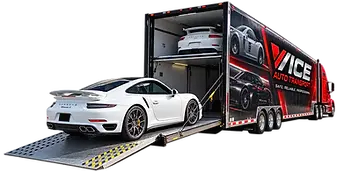
Enclosed shipping puts your vehicle inside a covered trailer rather than on an open multi-car carrier. That protection changes the equipment, carrier availability, loading process, and price. The practical decision comes down to your vehicle’s value, condition, clearance, route, timing, and personal comfort with normal road exposure.
What Enclosed Transport Actually Protects Against
The biggest advantage of enclosed transport is protection from weather and road debris. An enclosed trailer shields the vehicle from rain, snow, sun, dust, salt spray, rocks, and grime picked up during a long interstate run. That matters more on a cross-country route, during winter weather, or when the vehicle has a finish you want to keep as close to showroom condition as possible.
It also provides more privacy. A collector car, exotic, or luxury SUV is not visible to every driver at a fuel stop or rest area. Privacy is not the main reason most people choose enclosed shipping, but it is a meaningful benefit for high-value vehicles.
The trailer itself does not make damage impossible. Vehicles are still loaded, secured, transported over real roads, and unloaded. Mechanical issues, severe weather, traffic delays, and loading-related risks can still occur. A reputable carrier’s cargo insurance and a careful inspection matter regardless of the trailer type. Enclosed transport reduces exposure. It does not erase every shipping risk.
When Enclosed Transport Makes Sense
Enclosed shipping is commonly the right fit for classics, antiques, exotics, collector vehicles, race cars, luxury vehicles, and freshly restored or freshly detailed cars. It is also a smart consideration for vehicles with very low ground clearance, custom bodywork, specialty wheels, or delicate finishes.
A vehicle does not need to be worth six figures to justify an enclosed trailer. A buyer may choose it for a clean, low-mileage classic they searched months to find. Someone shipping a family heirloom across the country may make the same call. The value is not only what an insurance company or market guide says the vehicle is worth. Its condition, rarity, and importance to you count too.
Enclosed transport can also make sense when the route or season adds exposure. Shipping through northern states in winter, across areas affected by road salt, or through long stretches of heavy construction can make the added protection easier to justify. For snowbirds moving a prized convertible between the Northeast and Florida, the choice often depends on whether they want weather protection more than the lowest available price.
For a standard daily driver, open transport is usually the more practical option. Open carriers move most vehicles in the United States every day, including new dealership inventory. If the vehicle is a typical sedan, truck, or SUV and saving money matters most, open shipping is generally the sensible choice.
Why Enclosed Transport Costs More
Customers sometimes assume enclosed shipping is priced higher simply because the trailer has walls and a roof. The real answer is more involved. Enclosed carriers usually carry fewer vehicles than large open multi-car haulers, and the equipment costs more to operate. The carrier may also use lift gates, extended ramps, or other loading equipment for low-clearance vehicles.
There are fewer enclosed carriers available on most routes, especially compared with open carriers. That affects both price and scheduling. A popular route between major metro areas may have solid enclosed options, while a rural pickup or delivery can require more coordination, additional miles, or a meeting point suitable for a large truck.
Pricing also depends on distance, vehicle size, operability, route demand, fuel costs, pickup flexibility, and the time of year. A non-running classic needs additional handling. A lifted truck or oversized SUV takes up more space. A last-minute shipment may require a stronger carrier offer than one scheduled with reasonable lead time.
This is why a very low quote deserves a closer look. A price that does not attract a qualified carrier is not a useful price, no matter how good it looked when it was booked. Honest transport planning means discussing the market for your lane and the type of equipment your vehicle actually needs.
Soft-Sided, Hard-Sided, and Lift-Gate Trailers
Not all enclosed trailers are identical. Soft-sided trailers use durable curtain-style sides and roof coverage. They provide protection from weather and ordinary road debris, though they are not the same as a fully hard-sided box trailer. Hard-sided enclosed trailers offer solid exterior walls and are often preferred for exotic, high-end, or especially sensitive vehicles.
For low-clearance cars, the loading method may matter as much as the trailer style. A lift-gate or hydraulic lift can reduce the angle needed to load the vehicle. Before booking, share the vehicle’s ground clearance, modifications, and any instructions for starting or operating it. Photos are helpful when clearance is a concern.
How Insurance and Inspections Work
Before your vehicle is loaded, the driver should document its condition on a bill of lading or vehicle inspection report. Walk around the car with the driver when possible. Note existing scratches, chips, dents, wheel damage, and mechanical concerns. Take clear, time-stamped photos from multiple angles, including close-ups of any pre-existing damage.
At delivery, inspect the vehicle before signing the final paperwork. If you notice new damage, make sure it is recorded on the delivery inspection report and take photos right away. This documentation is essential if a cargo claim needs to be filed.
Ask for the carrier’s current insurance information and understand what is covered. Cargo coverage is not necessarily the same as the vehicle’s full market value, and exclusions can apply. Personal items inside the vehicle are typically not covered by carrier cargo insurance. Keep the interior clear except for approved, lightweight items if the carrier allows them, and do not use the car as a moving container.
A transport broker can help coordinate the paperwork and confirm that the assigned carrier meets the shipment requirements, but the carrier is the company physically moving the vehicle. Clear communication about the vehicle, equipment, insurance, pickup access, and delivery expectations helps prevent surprises.
Preparing a Vehicle for Enclosed Shipping
Preparation is straightforward, but it should not be rushed. Clean the exterior enough that its condition is visible. Remove loose accessories, toll tags, personal documents, and valuables. If your vehicle has an alarm, make sure the driver knows how to disable it. Leave about a quarter tank of fuel unless the carrier gives different instructions.
For a classic or specialty vehicle, provide any starting procedure, battery cutoff instructions, steering wheel lock information, or special handling notes in writing. Let the transport coordinator know if the car leaks fluids, has weak brakes, does not roll freely, or needs a jump to start. Those details affect carrier selection and loading plans.
Measure the vehicle if it has been lowered, lifted, widened, or fitted with an aftermarket spoiler. A few inches can make a real difference. The earlier that information is shared, the easier it is to match the shipment with appropriate equipment.
Timing, Access, and Communication Matter
Enclosed carrier availability is often better with notice, particularly for uncommon routes or specialized vehicles. Giving yourself a reasonable pickup window creates more options than trying to arrange an exact-day shipment at the last minute. Auto transport works around truck routes, legal driving hours, weather, and other pickups and deliveries already on the trailer.
Door-to-door service means the carrier comes as close to each address as safely and legally possible. It does not always mean a large truck can enter every residential street, gated neighborhood, or downtown location. If access is tight, a nearby wide street, shopping center, or truck-friendly meeting point may be the safer plan.
The best shipment is not necessarily the one with the cheapest quote or the most confident promise. It is the one where the equipment fits the vehicle, the carrier is properly vetted, the price is realistic, and you know who to contact when plans change. If you are deciding between open and enclosed shipping, share the vehicle details and route honestly. Vice Auto Transport can help you weigh the protection against the cost, then handle the miles with a plan that makes sense.


Comments