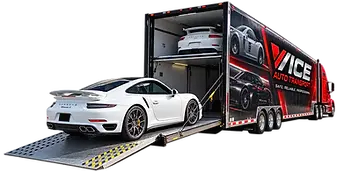


Residential Versus Terminal Transport Compared

A carrier is scheduled to pick up your vehicle, but the driver calls with a problem: your street has low branches, tight turns, and no safe place to turn a 75-foot truck around. This is where residential versus terminal transport becomes more than a shipping preference. It affects the pickup plan, your schedule, and sometimes the final cost.
For most customers, residential service is the easiest answer. The carrier comes as close to your home as the road safely allows. Terminal transport gives you another option when a large truck cannot access the address or when you need more control over where and when the vehicle is dropped off. Neither is automatically better. The right choice depends on access, timing, budget, and how involved you want to be on pickup or delivery day.
Residential Versus Terminal Transport: The Basic Difference
Residential transport, often called door-to-door service, means the carrier picks up and delivers at residential addresses whenever it is safe and legal to do so. It does not guarantee that a full-size car hauler can pull directly into every driveway. The driver may ask to meet at a nearby wide road, shopping center, truck stop, or other agreed location with room to load and unload safely.
Terminal transport means the vehicle is picked up from or delivered to a designated carrier yard, storage facility, or shipping terminal. You bring the vehicle there, or arrange for someone else to do it, then retrieve it when the carrier arrives or when the vehicle is available for pickup. Terminal availability varies by market, and not every carrier uses the same facilities. Confirm the exact address, operating hours, storage policy, and release requirements before choosing this option.
A terminal is also not the same thing as a port. Port service is used when a vehicle is moving by ocean freight, such as shipments involving Hawaii, Alaska, Puerto Rico, or the U.S. Virgin Islands. A domestic terminal may simply be a secure location used to make truck pickup and delivery more practical.
When Residential Service Makes the Most Sense
Residential transport is built for convenience. It is usually the best fit for a family relocating, a customer receiving a car purchased online, a seasonal traveler, or anyone who does not want to coordinate rides to a shipping yard. You can meet the driver near home, complete the inspection, sign the bill of lading, and keep the process moving.
It is particularly helpful if the vehicle is not currently running. Loading an inoperable vehicle can require a winch, ramps, extra labor, or specialized equipment. Moving it yourself to a terminal can create an extra problem before shipping even begins. Let the transport coordinator know about any mechanical issue, low ground clearance, oversized tires, modifications, or missing keys early. Those details affect the equipment and carrier match.
Residential service also keeps the vehicle in your hands until the carrier arrives. That can be reassuring for collector cars, daily drivers, and vehicles with personal significance. You are present for the condition report and can point out existing marks, chips, or mechanical concerns before loading.
Still, door-to-door does not mean the driver should force a large trailer into a neighborhood that cannot handle it. A professional carrier will protect the truck, your vehicle, and the surrounding property by choosing a nearby meeting point when necessary. That is normal, not a service failure.
Residential pickup works best with clear access
Before booking, take an honest look at the route to your address. Narrow subdivision entrances, sharp cul-de-sacs, steep hills, parked cars, construction zones, low-hanging trees, and HOA restrictions can all limit access. An open car hauler commonly needs more room than customers expect.
You do not need to solve every access issue yourself. A quick conversation can usually identify a practical meeting point. The best locations have wide entrances, room for a truck to turn, and a safe area to inspect the vehicle. It is far easier to plan this before dispatch than to make decisions while the driver is waiting nearby.
When Terminal Transport Is the Better Choice
Terminal transport can be a smart solution when your address is difficult for a carrier to reach, when you live in a dense downtown area, or when you cannot be available during the delivery window. It can also work well for dealerships, fleet managers, and frequent shippers who already have a reliable way to move vehicles to and from a yard.
Schedule flexibility is the biggest advantage. If you are flying out before your vehicle can be collected, you may be able to leave it at a terminal rather than asking a neighbor to meet the driver. On delivery, a terminal can reduce pressure if your work hours, travel plans, or apartment building rules make a direct handoff difficult.
In some cases, terminal service may reduce cost because it simplifies the carrier's route and avoids time-consuming residential detours. That is not guaranteed. Storage fees, after-hours access, local towing, rideshare costs, and the distance from the terminal to your home can erase the initial savings. Ask for the complete picture rather than comparing only the transport quote.
Security deserves the same attention. Many terminals are fenced and monitored, but standards vary. Find out whether the vehicle will be stored indoors or outdoors, how keys are controlled, whether appointments are required, and what happens if pickup is delayed. If you are shipping a high-value, low-clearance, or specialty vehicle, enclosed transport and a carefully planned delivery point may be worth more than the lowest available rate.
Cost, Timing, and the Details That Change the Quote
Vehicle shipping is not priced by mileage alone. The route, vehicle size, season, fuel costs, carrier capacity, operating condition, and pickup flexibility all matter. Residential versus terminal transport is one part of that calculation.
A residential address on an easy-to-reach main road may have little or no meaningful price difference from terminal delivery. A remote mountain home or a crowded urban street may require a different plan. Likewise, a terminal can be less expensive if it is directly on the carrier's route, but more expensive if the vehicle must sit there for several days or if you need local transport to reach it.
Timing works the same way. A terminal may give you flexibility before pickup, but it does not necessarily make the long-haul carrier move faster. Carriers still build routes around available loads, legal driving hours, weather, traffic, and delivery appointments. If a hard deadline matters, share it at the start. A good transport plan uses realistic pickup and delivery windows instead of promises that depend on perfect conditions.
The equipment choice can also affect the decision. Standard running vehicles often ship efficiently on an open trailer. Enclosed trailers provide added protection from road debris and weather for exotics, classics, luxury vehicles, and other high-value shipments. Oversized trucks, machinery, and equipment may need flatbeds, hotshot trucks with ramps, step-decks, or RGNs. For those loads, a terminal may not be practical at all, while a commercial lot or wide-access meeting point may be the safest answer.
How to Choose the Right Pickup and Delivery Plan
Start with the vehicle, then look at the addresses. If the vehicle runs, your street is accessible, and you or an authorized contact can be present, residential service is usually the straightforward choice. If access is limited or your schedule is uncertain, ask whether a terminal or nearby meeting location is available.
Be specific when requesting a quote. Provide both ZIP codes, the year, make, and model, whether it runs, the desired timing, and any access concerns. Mention if you need open or enclosed transport, if the vehicle has modifications, or if another person will release or accept it. Clear information helps avoid last-minute equipment changes and prevents avoidable delays.
At pickup and delivery, inspect the vehicle in good lighting when possible. Review the condition report, remove personal items unless they have been approved, keep the fuel level low, and make sure the battery is charged enough for loading. These small steps make either delivery method easier.
Vice Auto Transport helps customers sort through these choices before a carrier is assigned, including arranging practical meeting points when full residential access is not available. The goal is not to force every shipment into one format. It is to build a plan that fits the route, the vehicle, and the people depending on it.
The best transport option is the one that prevents surprises on shipping day. Whether that means meeting the driver near your home or using a terminal with clear storage terms, a little planning gives your vehicle a safer, more predictable path to its destination.


Comments