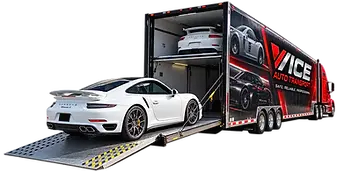


Shipping a Car Between Florida and California

Florida-to-California transport is not a short regional run where a truck can make a quick detour. It is roughly 2,500 to 2,900 miles depending on the cities involved, crosses several major freight markets, and usually requires coordination around truck space, route demand, and access at both ends. Shipping a Car Between Florida and California goes much more smoothly when you understand what you are paying for before your vehicle is loaded.
This is a well-traveled route, especially for relocations, online vehicle purchases, seasonal moves, and dealer inventory. That helps with carrier availability, but it does not make every pickup or price identical. Miami to Los Angeles, Orlando to San Diego, Tampa to San Francisco, and a rural Florida pickup headed to Northern California can all price and schedule differently.
What Florida-to-California Car Shipping Usually Costs
A realistic quote reflects the vehicle, exact pickup and delivery locations, transport type, timing, and current carrier demand. For a standard running sedan or small SUV on an open carrier, this cross-country lane commonly falls in the low-to-mid four figures. Larger SUVs, trucks, lifted vehicles, and heavy EVs often cost more because they take up more usable capacity and can affect a carrier’s weight limits.
The lowest quote is not automatically the lowest final cost. Auto transport pricing is market-driven. A broker posts the shipment to carriers at a rate intended to attract a properly insured truck that is actually traveling the route. If the listed rate is too low for the market, carriers may pass it over while the customer waits for a pickup that never materializes.
That does not mean every higher quote is fair, either. A good quote should come with a plain-English explanation of what is included, whether the rate is estimated or confirmed with a carrier, and what could change it. Common reasons for an adjustment include an inoperable vehicle, a changed address, an oversized vehicle, a missed appointment, or details that were not provided when the booking was made.
Why the exact cities matter
Major metro areas are easier for large auto carriers to serve. A pickup near Fort Lauderdale, Orlando, Tampa, Jacksonville, Los Angeles, Sacramento, or the Bay Area usually gives a carrier more routing options than a home far from interstate corridors.
Door-to-door service means the carrier comes as close to each address as it can legally and safely reach. It does not always mean a 75-foot tractor-trailer can enter every residential street. Tight cul-de-sacs, low branches, narrow roads, HOA restrictions, and apartment complexes may require meeting at a nearby wide street, shopping center, or truck-friendly lot. That is normal planning, not a downgrade in service.
Open vs. Enclosed Transport for This Route
Most vehicles moving between Florida and California travel on an open carrier. These are the familiar multi-car trailers seen on the highway. Open transport is the practical choice for daily drivers, standard SUVs, dealer inventory, and many online purchases. The vehicle is secured on the trailer and remains exposed to normal road weather, dust, and debris, much like it would be while being driven cross-country.
Enclosed transport costs more because enclosed trailers have less capacity and are often used for vehicles needing additional protection. It can make sense for classics, exotics, luxury vehicles, low-clearance cars, freshly restored vehicles, or a vehicle with a finish an owner does not want exposed to thousands of highway miles.
The decision is not purely about vehicle value. A well-kept collector car may justify enclosed shipping even if it is not an exotic. On the other hand, an open carrier may be the sensible choice for a late-model SUV that is already used as a daily driver. The right option depends on the vehicle, your budget, and your comfort with normal transit exposure.
How Long Does It Take?
Once loaded, a Florida-to-California shipment often takes about seven to 12 days in transit. The full process can be longer when you include the pickup window, especially if the vehicle is in a rural area, the route is moving slowly, or the shipment is booked at a rate that does not match current demand.
A carrier is not operating like a private express delivery vehicle. Drivers typically load and unload several cars along a broad route, must follow federal hours-of-service rules, and can encounter weather, traffic, inspections, mechanical issues, and customer scheduling changes. A reasonable delivery range is more useful than a date that sounds precise but cannot honestly be guaranteed.
If your timing is tight, say so at the beginning. Earlier booking gives more room to coordinate. Expedited service may be available in some situations, but it usually means paying a higher carrier rate for a truck that can prioritize the pickup. It should be treated as an effort to meet a tighter window, not a promise that removes every road variable.
Preparing Your Vehicle for Pickup
Preparation is simple, but it matters. Wash the vehicle enough to make its current condition visible, then take clear, date-stamped photos from every angle. Photograph close-ups of existing scratches, dents, wheel damage, windshield chips, and low bumpers. The carrier will complete a bill of lading at pickup that records the vehicle’s condition, and your photos give you an extra record.
Remove personal items, toll tags, loose accessories, and anything that could shift inside the vehicle. Most carriers prefer vehicles to be empty. Limited personal belongings may sometimes be accepted at the driver’s discretion, but they are generally not covered by cargo insurance and can create weight or inspection issues. Do not use your car as a moving container.
Keep the fuel level at around one-quarter tank. Make sure the battery is charged, tires are properly inflated, and there are no active leaks. If the vehicle has special starting instructions, an alarm, air suspension, low ground clearance, or modifications, communicate that before dispatch. A non-running vehicle can still be transported, but it needs the right equipment and accurate information in advance.
What happens at pickup and delivery
At pickup, the driver inspects the vehicle with you or your designated contact, notes its condition, and loads it. Read the bill of lading before signing. At delivery, inspect the vehicle again before accepting it. It is best to do this in daylight if possible, though timing does not always cooperate.
If you notice new damage, document it immediately with photos and make a clear note on the delivery paperwork before the driver leaves. Damage is uncommon, but proper documentation protects everyone if a claim is needed. Reporting a concern days later, after the bill of lading was signed clean, can make the process much harder.
Buying a Vehicle in Florida or California?
Online buyers and auction buyers need a little more coordination than someone shipping their own car. Confirm that the seller, dealer, Copart, IAA, or Manheim location has the correct release documents and knows a carrier will be arriving. Some auction facilities have set pickup hours, loading rules, storage deadlines, or requirements for a paid release.
Ask for honest details about operability and condition. A vehicle described as running but unable to move, steer, brake, or start normally may require additional equipment. Auction photos can be helpful, but they are not a substitute for telling the transport coordinator about missing keys, flat tires, a damaged bumper, or a vehicle blocked in by other inventory.
For private-party purchases, make sure the seller can meet the driver and sign the pickup paperwork. If they cannot, arrange a reliable alternate contact. A carrier may have limited time at a stop, so last-minute access problems can delay a shipment or lead to a dry-run charge.
Choosing a Broker You Can Actually Reach
For a route this long, communication matters as much as the initial quote. A transport broker coordinates the shipment with an independent motor carrier, helps screen the available options, and stays involved when timing or access changes. The best experience usually starts with accurate details and realistic expectations, not a form that produces an unrealistically low number in seconds.
Ask how the rate is being built, whether the vehicle will be posted to a carrier marketplace, what insurance documentation is checked, and who you should contact once a driver is assigned. You should also know the payment terms before booking. Clear answers are a good sign. Pressure to book immediately, vague explanations, or a price that seems far below every other quote deserve a closer look.
At Vice Auto Transport, the goal is to give customers the real picture of the route, then coordinate with a carrier that fits the vehicle and schedule. A direct text or call can often resolve details that an automated quote simply cannot capture.
Plan early, share accurate vehicle and address details, and leave a little room around your pickup and delivery dates. Then let Vice Auto Transport handle the miles while you focus on the move, the purchase, or the next place your vehicle needs to be.


Comments