.png)



Vehicle Shipping Cost Guide for Real Quotes

A quote that looks cheap at first can get expensive fast if it leaves out the details that actually move the price. That is why a solid vehicle shipping cost guide matters. If you are moving a car across state lines, buying online, shipping to Hawaii, or arranging transport for a truck or motorcycle, the final rate depends on more than just miles.
The good news is that pricing is not random. There are clear factors behind most quotes, and once you understand them, it gets much easier to compare options and make a smart decision.
What affects vehicle shipping cost most
Distance is the first piece, but it is not the whole story. A longer route usually costs more overall, yet the price per mile often drops on major lanes. For example, shipping between large metro areas on common routes is usually more efficient than moving a vehicle a shorter distance into a remote rural area.
Vehicle size and weight matter next. A compact sedan takes up less trailer space and adds less weight than a lifted pickup, cargo van, or large SUV. Carriers have to balance the load on the trailer, and larger vehicles can limit how many units they can move at once. That changes the rate.
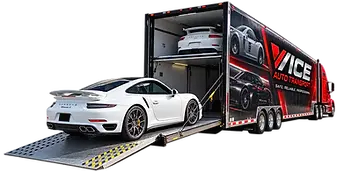
Transport type also plays a big role. Open transport is the standard choice and is usually the most budget-friendly option. Enclosed transport costs more because there is less trailer capacity and more protection. If you are shipping a collector car, exotic, classic, or a vehicle with very low ground clearance, enclosed service may be worth the premium.
Then there is timing. If you need fast pickup, guaranteed scheduling, or a very narrow delivery window, the price can increase. Flexible scheduling often gives dispatchers more room to place your shipment efficiently, which can help control cost.
Vehicle shipping cost guide by route and location
Route popularity changes pricing more than many customers expect. Busy corridors with regular carrier traffic usually produce better rates than thin routes. A shipment from Miami to Dallas or Los Angeles to Phoenix is generally easier to assign than a vehicle leaving a small mountain town for a remote destination.
Urban access matters too. Door-to-door service is convenient, but not every neighborhood works well for a multi-car trailer. Low tree limbs, tight turns, narrow streets, HOA restrictions, and weight limits can force a nearby meeting point. That does not always raise the price, but in some cases difficult access adds time and coordination.
Non-contiguous locations deserve special attention. Alaska, Hawaii, Puerto Rico, Guam, and the U.S. Virgin Islands often involve more handling, port coordination, and different transit stages than standard mainland shipments. A vehicle might move by truck to a port, then by vessel, then by truck again at destination. That extra complexity affects both cost and timing.
Open vs enclosed and when the price difference makes sense
Open transport works well for most daily drivers. It is widely available, efficient, and usually the best value for standard sedans, SUVs, and trucks. Because more carriers operate open trailers, customers often have more scheduling flexibility too.
Enclosed transport is priced higher for a reason. It offers more protection from weather, road debris, and outside exposure. For restored classics, luxury vehicles, show cars, and rare models, many owners see that added protection as part of the cost of ownership.
The right choice depends on the vehicle and your comfort level. If you are shipping a ten-year-old commuter car, open transport is often the practical answer. If the vehicle has high monetary value, sentimental value, or delicate finishes, enclosed can make more sense even though the rate is higher.
Why the cheapest quote is not always the lowest cost
A very low quote can mean different things. Sometimes it is a good deal on a popular route. Other times it reflects unrealistic pricing that struggles to attract a qualified carrier, which can lead to delays, changed expectations, or pressure to accept a higher rate later.
A dependable quote should line up with market conditions, equipment needs, route difficulty, and your requested timeline. If a price seems far below several other quotes, ask what is included, how pickup timing is handled, and whether the vehicle requires special equipment. A low number is only useful if the job actually gets done on time and as promised.
Clear communication matters here. A company that asks the right questions up front is more likely to give you a realistic rate than one that throws out a number in seconds without discussing the vehicle, zip codes, or timing.
How pickup windows and season affect rates
Seasonality is real in auto transport. Summer moving season, snowbird routes, end-of-year dealership pushes, and weather disruptions all affect capacity. When more customers are booking the same lanes at the same time, rates can rise.
Winter can also create route issues beyond simple demand. Snow, ice, mountain conditions, and storm systems may slow carriers or reduce available capacity on certain lanes. Shipping to or from northern regions during severe weather can cost more, especially if access is difficult.
If your dates are flexible, say so early. A broader pickup window often creates more pricing options. If your shipment must move on a specific day because of a relocation, auction deadline, or travel plan, expect that urgency to be reflected in the quote.
Specialized vehicles cost more to move
Not every shipment fits a standard car-hauler setup. Oversized trucks, inoperable vehicles, motorcycles, machinery, and equipment may require different trailer types or loading methods. Flatbeds, step-decks, hotshot trucks with ramps, and RGNs are not priced the same as standard open car carriers.
Inoperable units can also raise cost because loading may require a winch, forklift, or additional labor. The same goes for vehicles with oversized tires, roof racks that change height clearance, or modifications that reduce ground clearance. These details should be disclosed early. Surprises at pickup are one of the fastest ways to create delays or price changes.
What a good quote should include
A useful quote is not just a number. It should reflect the actual shipment details. That means origin and destination zip codes, vehicle year, make and model, running condition, trailer type, and preferred timing.
It should also be clear whether the service is residential door-to-door, terminal-related, port-related, or a combination. For island and offshore moves, understanding where responsibility changes hands is especially important.
If you are comparing quotes, compare the same shipment details across all of them. One company may be pricing open transport with flexible pickup while another is pricing enclosed with faster scheduling. Those are different services, so the rates will not mean much side by side unless the assumptions match.
How to use this vehicle shipping cost guide when comparing quotes
Start with the vehicle itself. Confirm the exact size, condition, and any modifications. Then look at the route. Is it a common lane between major cities, or a more difficult origin or destination? After that, decide how much timing flexibility you actually have.
Once those pieces are clear, compare service level before you compare price. Ask whether the quote fits open or enclosed transport, whether the pickup window is realistic, and whether any special handling is expected. A slightly higher quote from a company that communicates clearly and prices the job correctly can save time and frustration.
For customers shipping beyond the mainland, this matters even more. Port coordination, vessel schedules, and equipment handoffs can affect both cost and delivery expectations. Companies with broader logistics experience, including routes to Alaska, Hawaii, Puerto Rico, Guam, and the U.S. Virgin Islands, are usually better positioned to explain those moving parts in plain language.
A few practical ways to keep costs under control
You do not need to chase the cheapest number to keep your budget in line. Flexibility is usually the biggest lever. A wider pickup window can help. Choosing open transport for a standard vehicle can help too. Meeting a carrier at a nearby accessible lot instead of insisting on a difficult residential pickup may also improve the rate in some areas.
Booking before the last minute is another smart move. It gives more time to coordinate the right carrier and avoid premium pricing tied to urgent dispatch. And if you are shipping a modified, oversized, or non-running vehicle, sharing that information early helps avoid expensive corrections later.
Vice Auto Transport works with customers in exactly these situations every day, from everyday sedan moves to specialized transport and offshore shipping. The best quote usually comes from a real conversation, not guesswork.
The right price is the one that matches your vehicle, route, and timeline without leaving you exposed to avoidable surprises. When the details are clear from the start, shipping gets a lot easier.


Comments