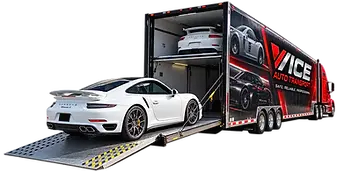


Auction Transport: What Buyers Need to Know

A winning bid is only the beginning. Once the auction confirms payment, the vehicle still has to leave the yard before storage fees start adding up. Auction transport is different from shipping a car from a driveway because access, paperwork, vehicle condition, and auction deadlines all affect how smoothly the pickup goes.
Whether you bought from Copart, IAA, Manheim, a dealer auction, or an online marketplace, a little preparation can prevent expensive delays. The goal is not simply to find the lowest quote. It is to get the right carrier assigned, make sure the release is ready, and give the driver accurate information before they arrive.
How auction transport actually works
Most auction buyers arrange shipping through an auto transport broker, who coordinates with an independent carrier operating on the route. The carrier picks up the vehicle at the auction facility and delivers it to a residence, dealership, repair shop, port, or other accessible location.
At a typical auction, the buyer first pays for the vehicle and receives the information needed for release. That may include a lot number, stock number, buyer number, pickup authorization, gate pass, or release form. The exact process varies by auction and even by location. A carrier cannot simply show up, identify the vehicle, and drive away. The auction has to recognize that carrier as authorized to collect it.
This is where communication matters. Your transport coordinator needs the auction name and location, vehicle year, make, model, VIN when available, lot number, condition, and the pickup deadline. If the vehicle is listed as inoperable, has missing wheels, sits low, or has damage that changes how it can be loaded, say so upfront. Those details can change the type of equipment required and the price.
Once a carrier accepts the shipment, the driver or dispatcher coordinates pickup within the auction's operating rules. Auction yards can be crowded, and drivers may have wait times, appointment procedures, limited loading areas, or cutoff times. Delivery follows the normal door-to-door process when the destination can safely accommodate the truck. If it cannot, the driver may arrange a nearby wide street, shopping center, or other safe meeting point.
Why auction pickups are more time-sensitive
Auction storage rules are one of the biggest reasons buyers should arrange transport early. Many auctions provide a short free-storage period after the vehicle is released, then charge daily fees. Those fees can become substantial, especially when a vehicle is delayed by a missing release, an inaccurate condition report, or an unrealistic transport budget.
A carrier's schedule also does not always line up perfectly with an auction deadline. Routes with frequent vehicle volume, such as Florida to the Northeast, Texas to California, or major metro-to-metro lanes, usually offer more carrier activity. Rural pickup locations, less-traveled routes, and deliveries far from interstate corridors may take longer or require a higher rate to attract a carrier.
That does not mean every auction vehicle needs expedited shipping. It means the timeline should be discussed honestly. If free storage expires in two days, a low quote that is unlikely to attract a carrier is not a bargain. Paying a reasonable rate for a properly scheduled pickup can cost less than several days of auction storage and a last-minute rush.
What affects auction transport pricing
Transport pricing is based on a live market, not a fixed menu. The main factors are distance, route demand, vehicle size, vehicle condition, equipment type, pickup and delivery locations, season, and how quickly the vehicle must move.
An operable compact car traveling between two major cities is generally easier to place than a non-running SUV leaving a rural auction yard. Inoperable vehicles often require a winch, extra loading time, and a carrier with the right setup. Oversized trucks, lifted vehicles, low-clearance cars, and vehicles with severe collision damage can also require more planning.
Open transport is the standard option for most auction purchases. It is practical, widely available, and suitable for many daily drivers, dealer inventory vehicles, and rebuild projects. Enclosed transport offers more protection from weather and road debris and may make sense for a high-value collector vehicle, exotic car, or restored classic. It costs more and may have fewer available carriers on some routes.
Be careful when comparing quotes. A price that is far below other estimates may not be enough to get a carrier interested, especially if the vehicle needs to move quickly. On the other hand, the highest quote is not automatically the best service. Ask what is included, whether the vehicle was quoted as running or non-running, whether the auction release requirements have been considered, and what happens if the market rate changes before a carrier is assigned.
Prepare the auction vehicle before dispatch
The best time to solve problems is before a driver is booked. Start by confirming that auction payment has cleared and that the vehicle is eligible for release. Then make sure the transport company has the correct pickup contact information, lot or stock number, and any authorization documents the facility requires.
Vehicle condition deserves more attention than many buyers expect. Auction condition reports are useful, but they are not a substitute for telling the transporter what you know. If the car will not start, will not roll, has a flat tire, has no keys, has locked wheels, or has loose parts, disclose it. A vehicle described as operable that turns out to be immobile can cause a failed pickup, additional charges, or both.
If you have access to photos, keep them. Photograph the listing, condition report, and any visible damage before transport when possible. At pickup and delivery, the carrier typically completes a bill of lading that notes visible condition. Review it carefully at delivery before signing. If you see new damage you believe occurred during transport, note it on the delivery paperwork and take clear photos right away. That documentation is important for any carrier insurance claim.
Personal items are another common issue. Auction vehicles are generally not the place to ship belongings. The car may be inaccessible before pickup, auction policies can limit what remains inside, and personal items are typically not covered under carrier cargo insurance. Keep the vehicle as the shipment, not a moving container.
Common auction transport mistakes
The first mistake is waiting until the last free-storage day to request shipping. Even on a busy route, carrier availability depends on where trucks are positioned and how many vehicles they can load. More notice gives you more options.
The second is assuming every auction car can be loaded like a normal running vehicle. Salvage vehicles may have bent suspension, locked steering, missing tires, or battery issues. A vehicle can appear mostly intact in listing photos but still need special loading arrangements.
The third is overlooking the delivery side. A full-size car hauler needs room to turn, park, and load safely. If your street is narrow, lined with low branches, or restricted for large trucks, plan a nearby meeting location before delivery day. This is especially helpful for apartment complexes and dense urban neighborhoods.
Finally, do not confuse a pickup window with a guaranteed pickup time. Auction facilities, traffic, weather, equipment issues, and other customers' shipments can affect the schedule. A good coordinator keeps you updated and addresses changes directly rather than leaving you guessing.
Choosing help you can reach
Auction shipping is easier when the person arranging it understands both the vehicle transport market and the practical reality of auction yards. You should be able to get a clear answer about timing, pricing, vehicle condition, insurance documentation, and what information is still needed before dispatch.
Vice Auto Transport coordinates auction pickups nationwide and focuses on the details that tend to derail a shipment: release status, operability, location access, realistic carrier pricing, and communication from assignment through delivery. The right plan depends on the car and the route, not a one-size-fits-all promise.
Before storage starts, gather the release information, send accurate vehicle details, and allow enough time for the right carrier to take the load. Then let Vice Auto Transport handle the miles while you focus on what comes next for the vehicle.


Comments