

How to Inspect Transport Carriers Before Shipping

A carrier says they can pick up your car tomorrow for hundreds less than everyone else. Before that sounds like a win, take a few minutes to inspect transport carriers properly. The truck and driver assigned to your vehicle matter far more than a polished quote form or a low number sent by text.
Most customers do not need to become transportation experts. You do need to know what to verify, what questions to ask, and which red flags are worth taking seriously. A good carrier inspection protects your vehicle, your schedule, and your wallet.
Start by Understanding the Broker and Carrier Difference
An auto transport broker arranges the shipment. The carrier is the licensed motor carrier that owns or operates the truck and physically hauls the vehicle. Both have a role, but they are not interchangeable.
A broker should be straightforward about how the process works. They quote the route, post the vehicle to available carriers, help evaluate offers, coordinate pickup details, and stay involved if something changes. The actual carrier should be identified before pickup, not treated like an afterthought.
This distinction matters because a broker's reviews tell you about communication, pricing honesty, and problem-solving. The carrier's record tells you more about the truck, driver, operating authority, insurance, and safety history. Ideally, you evaluate both.
It is also normal for a broker to assign a carrier close to pickup rather than the day you request a quote. Trucks move constantly, and availability changes by route, season, vehicle size, and the amount offered to the driver. What is not normal is being told nothing until a truck arrives at your door.
How to Inspect Transport Carriers Before Pickup
Once a carrier is proposed, ask for its legal company name, USDOT number, and MC number. A legitimate auto carrier should have no problem providing this information. You can then verify that the company has active operating authority appropriate for vehicle transport and is authorized to operate interstate.
Do not rely solely on a company name in a text message. Similar names exist, and some bad actors use names that sound close to established companies. Match the legal name, DOT number, phone number, and equipment details as closely as you can.
Insurance is the next conversation. The carrier should carry cargo insurance, but the amount alone does not tell the whole story. Ask for a current certificate of insurance if your vehicle is high-value, classic, exotic, modified, or headed on enclosed transport. Confirm that the policy is active and that it covers transported vehicles, not merely the carrier's office or general business operations.
Ask practical questions: What is the cargo coverage limit for the truck? Is there a deductible that could affect a claim? Are there exclusions for inoperable vehicles, aftermarket parts, personal items, or convertible tops? A carrier hauling several vehicles may have one cargo policy limit for the entire load, rather than that amount available for each vehicle.
For a typical daily driver, this review can be simple. For a collector car or six-figure purchase, it deserves more attention. Enclosed transport can offer better protection from weather and road debris, but it does not remove the need to verify insurance and inspect the vehicle at pickup.
Check Safety Information With Some Context
Federal carrier records can provide useful information about inspections, crashes, and out-of-service history. They are a starting point, not a simple report card. A large carrier running many trucks and many miles may have more recorded inspections than a small operator, so raw counts alone can be misleading.
Look for patterns instead. Repeated out-of-service issues, inactive authority, inconsistent company details, or serious unresolved complaints deserve a closer look. One old violation does not automatically make a carrier unacceptable. Equipment ages, drivers change, and records take time to update.
If something concerns you, ask the broker or carrier directly. A professional answer should be clear and specific, not defensive or vague. The goal is not to find a company with a flawless-looking history. It is to avoid handing your vehicle to a company that cannot demonstrate basic compliance and communication.
Read Reviews for Details, Not Just Stars
Five-star ratings are helpful only when the reviews describe the actual experience. Look for comments about pickup communication, the condition of the vehicle at delivery, whether the final price matched the agreed terms, and how the company handled a delay or issue.
Pay attention to the dates as well. A company with a strong reputation years ago but a recent run of complaints may be going through a change in ownership, staffing, or operations. On the other hand, a few unhappy reviews are not always a deal-breaker. Auto transport involves weather, traffic, mechanical issues, and shipping lanes where timing can move.
The most useful reviews often mention specific details: the route, the type of vehicle, the driver's communication, and whether the customer was prepared for a realistic pickup window. Generic reviews that repeat the same wording, praise no identifiable part of the service, or appear in a sudden batch should carry less weight.
Be Careful With the Lowest Price
A very low quote can become expensive when it does not attract a carrier. In auto transport, the amount you pay is partly used to make the shipment attractive to a truck traveling your route. If the carrier pay is too low, drivers may pass on it while your vehicle waits.
That does not mean every higher quote is honest or necessary. Popular routes such as Florida to the Northeast, Texas to California, or major metro-to-metro lanes often have more truck availability and competitive pricing. Rural pickups, remote deliveries, oversized vehicles, inoperable cars, and short-notice shipments can cost more because they require more time or equipment flexibility.
Ask what is included in the quote and whether the price is realistic for the route. Confirm whether there is a deposit, when the remaining balance is due, and which payment methods the driver accepts at delivery. A clear answer before booking is much better than a surprise after a carrier has been assigned.
Confirm the Truck Fits the Job
Not every carrier is the right fit for every vehicle. An open multi-car carrier is the standard choice for most cars, trucks, and SUVs. It is generally the most cost-effective option, though the vehicle is exposed to normal road conditions.
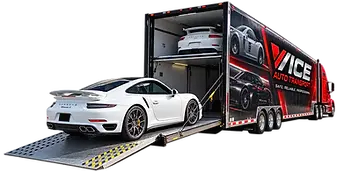
Enclosed transport is usually a better fit for classics, exotics, low-clearance vehicles, freshly restored cars, and vehicles with unusual value to the owner. It costs more and can have fewer available trucks on some routes. That trade-off is often worthwhile, but it should be based on the vehicle and your priorities, not fear-based sales pressure.
Tell the dispatcher about anything that affects loading. This includes a non-running condition, low ground clearance, oversized tires, roof racks, modifications, a loose bumper, or a vehicle that cannot steer or brake normally. A carrier can plan around many of these issues when told in advance. Surprises at pickup can lead to delays, extra charges, or a driver being unable to load the vehicle safely.
Inspect Your Vehicle Before the Carrier Leaves
Carrier vetting is only half the job. The pickup inspection is your best protection if damage needs to be documented later.
Before loading, remove personal belongings, take dated photos and video from every angle, and capture close-ups of existing scratches, dents, wheel damage, and windshield chips. Make sure the fuel level is low enough for transport, usually around a quarter tank, and keep any special operating instructions available for the driver.
The driver will complete a bill of lading or vehicle condition report. Walk around the vehicle with them and make sure pre-existing damage is marked accurately. Do not rush through this because the truck is waiting. If you cannot be present, choose a trusted adult who can inspect and sign on your behalf.
At delivery, inspect the vehicle before signing the final paperwork. Dirt from the road is not automatically transport damage, so compare the vehicle to your pickup photos and condition report. If you see new damage, note it clearly on the delivery paperwork before the driver leaves, take photos, and notify the broker promptly. A documented issue is much easier to investigate than one reported days later with no delivery notation.
Questions Worth Asking Before You Approve a Carrier
A few direct questions can reveal a lot. Ask for the carrier's legal name and DOT number, whether its authority and cargo insurance are current, whether the truck is open or enclosed, and whether the driver has the correct equipment for your vehicle. Ask for a realistic pickup window and how updates will be handled if the truck is delayed.
You should also ask whether the carrier plans to meet you at your exact address or needs a nearby open parking lot. Large multi-car carriers often cannot safely navigate narrow residential streets, low branches, sharp turns, or apartment complexes. Meeting near a wide shopping center or truck-friendly location is common and can make pickup smoother.
A good transport specialist will not pretend every shipment has the same answer. Carrier availability can change, and weather or mechanical problems can affect timing. What matters is whether someone communicates early, gives you usable options, and does not disappear when the plan needs adjustment.
Your vehicle is not just another line on a load board. Take the extra time to verify who is hauling it, document its condition, and ask for straight answers. If you want a real person to help review the options and coordinate the details, Vice Auto Transport can handle the miles while you stay informed.


Comments