

Broker Carrier Differences When Shipping a Car

A car shipping quote can look simple: a price, an estimated pickup window, and a promise to get your vehicle from Point A to Point B. The part many customers do not see is who actually does what. Understanding broker carrier differences helps you ask better questions, recognize realistic pricing, and avoid the frustration that comes from expecting one party to perform the other party’s job.
In most interstate auto transport shipments, a broker arranges the move and an independent motor carrier physically transports the vehicle. Neither role is automatically better. A good shipment usually depends on both: a broker who sets accurate expectations and selects carefully, plus a carrier with the right equipment, route, and insurance for the job.
What an Auto Transport Broker Does
An auto transport broker is the coordinator. The broker does not own the truck assigned to every shipment or employ every driver. Instead, the broker works with a network of authorized carriers and posts available shipments to the transport marketplace, where carriers traveling that lane can review them.
For a customer, the broker is often the primary point of contact before pickup. They collect the vehicle details, pickup and delivery locations, timing needs, operability status, and transport type. They also explain the quote, help determine whether open or enclosed transport makes sense, monitor carrier interest, and coordinate details once a carrier is assigned.
That matters because carrier availability changes constantly. A truck that is a great fit for Dallas to Phoenix this week may be nowhere near that route next week. Brokers can compare available options across multiple carriers rather than asking one company’s limited fleet to cover every route, vehicle type, and schedule.
A competent broker should also tell you when your request is difficult. A non-running vehicle at a Copart auction, a rural pickup, a lifted truck, a low-clearance sports car, or a tight pickup deadline may require more planning or a higher carrier payment. Honest communication is more useful than a low quote that cannot attract a truck.
What a Motor Carrier Does
The motor carrier is the company operating the truck and hauling your vehicle. The carrier provides the driver, trailer, loading equipment, fuel, route planning, and on-the-road execution. The driver inspects the vehicle at pickup, records its condition on a bill of lading, loads it, transports it, and completes the delivery inspection.
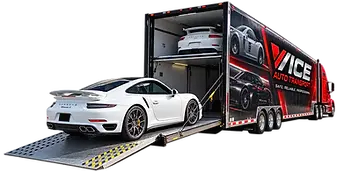
Carriers may run open multi-car trailers, enclosed trailers, or smaller specialty equipment. A large open carrier might be an efficient option for a standard running SUV moving between major metro areas. An enclosed carrier may be a better fit for a collector vehicle, exotic car, or vehicle with low ground clearance. The right choice depends on the vehicle and your priorities, not just the label on the trailer.
Drivers also make practical decisions that customers sometimes mistake for poor service. A full-size car hauler cannot always enter a narrow residential street, low-hanging tree canopy, gated community, or crowded apartment complex. In those cases, the driver may arrange a nearby meeting point with enough room to safely load or unload. That is normal planning, not necessarily a door-to-door failure.
Broker Carrier Differences That Affect Your Shipment
The clearest difference is responsibility. Your broker manages the booking and carrier coordination. Your carrier transports the vehicle. But the line is not always obvious to a customer, especially once the driver is assigned.
Pricing: the quote is not the carrier’s pay
A broker quote is the customer-facing price for arranging the shipment. Part of that amount is generally allocated to the carrier for the actual haul, and the broker may receive a fee for arranging and managing the transport. The carrier must see enough compensation to make the route worthwhile after fuel, labor, equipment, tolls, and time are considered.
This is why the lowest quote is not always the cheapest successful shipment. If the price offered to the market is too low, carriers may pass over it while accepting better-paying vehicles on the same route. Your pickup can then be delayed until the price is adjusted or a carrier has unusual extra space.
Pricing is especially variable on less common routes, during seasonal shifts, around holidays, and for auction vehicles with storage deadlines. A fair quote should reflect real market conditions, not just what sounds attractive on the first phone call.
Pickup timing: estimates versus guarantees
Brokers can provide estimated pickup windows based on current carrier availability and route patterns. They cannot responsibly promise an exact time before a specific carrier accepts and confirms the shipment. Even after dispatch, weather, traffic, mechanical issues, loading delays, and federal driving-hour rules can affect a truck’s schedule.
The carrier gives the most direct updates once assigned because the driver knows where the truck is and how the route is progressing. A good broker stays involved, however, especially if a schedule changes or a customer needs help coordinating an auction release, dealership contact, or delivery appointment.
Insurance: verify the carrier actually hauling the car
This is one of the most meaningful broker carrier differences. The motor carrier’s cargo insurance is generally the policy most relevant to a vehicle while it is in that carrier’s care, custody, and control. A broker may carry its own business coverage, but that should not be treated as a substitute for verifying the assigned carrier’s active authority and cargo coverage.
Before pickup, ask for the assigned carrier’s company name, motor carrier number, and insurance information. Confirm the coverage is active and appropriate for your vehicle’s value. If you are shipping a high-value vehicle, ask about coverage limits, deductibles, exclusions, and whether enclosed transport is appropriate.
Insurance also does not cover every issue automatically. Personal belongings left in a vehicle, pre-existing damage, loose aftermarket parts, and mechanical failures can create complications. Photograph the vehicle clearly before pickup, remove valuables, and read the bill of lading before signing it. At delivery, inspect the car in good light before you sign off whenever possible.
Communication: one contact or two?
Before dispatch, the broker usually handles most communication. Once a carrier is assigned, you may hear from both the broker and the driver. That is useful when everyone has a clear role: the driver coordinates the immediate pickup or delivery, while the broker remains available to solve a problem or clarify the agreement.
Trouble starts when a company disappears after taking a booking fee or refuses to identify the carrier. You should know who is moving your vehicle before it is loaded. You should also have a realistic way to reach someone if plans change.
When a Broker Is the Better Fit
A broker is often helpful when you want access to more carrier options, are shipping along an uncommon route, need a specialized trailer, or do not have time to call multiple trucking companies. It can also be valuable for auction buyers who need help coordinating release paperwork, lot hours, inoperable status, or storage deadlines.
For a coast-to-coast move, a broker can evaluate which carriers are already building a route in your direction. For a snowbird shipment between the Northeast and Florida, they can account for seasonal demand instead of pretending the same price and timing apply all year. The benefit is choice and coordination, provided the broker is straightforward about the market.
When Working Directly With a Carrier May Make Sense
Booking directly with a carrier can make sense if you have already identified a reputable company that regularly serves your exact route and has space on its truck. It may give you a more direct line to the operation moving your vehicle.
The trade-off is that one carrier can only offer the equipment and route capacity it has. If its truck is full, delayed, or not traveling your lane, it may not have an alternative. A broker may have more options, but quality varies there too. The goal is not to choose a label. The goal is to choose a transparent company and a properly qualified carrier for your shipment.
Questions Worth Asking Before You Book
Ask whether the company is acting as a broker or motor carrier for your shipment. Ask how pricing works if a carrier cannot be secured within the estimated window, when the carrier information will be shared, and what insurance documentation you can review. If you have a pickup deadline, say so early rather than assuming any quote includes expedited service.
Also be specific about the vehicle. Mention if it does not run, has modified suspension, sits low, has oversized tires, contains loose parts, or must be collected from an auction. Small details can change the trailer needed and the price a carrier is willing to accept.
The right auto transport arrangement should not feel mysterious. At Vice Auto Transport, the focus is on explaining the moving parts clearly, setting realistic expectations, and staying available when a real person needs an answer. Let us handle the miles while you know who is handling the details.


Comments