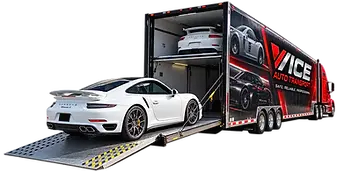


Copart Shipping After You Win Your Vehicle

Winning a vehicle is the exciting part. Then comes the deadline, the storage clock, and the question many buyers did not fully consider before bidding: how will it get from the Copart yard to your driveway, repair shop, dealer lot, or port? Copart shipping is straightforward when it is planned early, but auction pickups have rules and timing pressures that make them different from a normal private-party vehicle move.
The best approach is to get a transport quote before you bid, verify the vehicle’s actual condition, and arrange pickup as soon as the auction releases it. A low winning bid can stop looking like a bargain quickly if storage charges, inoperable loading needs, or a difficult route were not part of the plan.
How Copart Shipping Works
After you win and pay for a vehicle, Copart must release it before a carrier can pick it up. That release process can depend on payment clearing, title status, documentation, and the particular yard’s procedures. Your transporter cannot simply arrive with a truck and load the car because you sent a lot number. The carrier typically needs the correct vehicle information, pickup authorization or release details, and the yard location.
Once the vehicle is released, an auto transport broker coordinates a properly insured carrier that has room on a route serving that area. The driver checks in with the Copart facility, locates the vehicle, documents its condition, loads it, and transports it to the delivery address or another agreed location.
That sounds simple, but the details matter. Auction yards can be busy, especially after major sales, storms, or holidays. Drivers may wait in line, and some facilities have specific check-in hours or loading procedures. A buyer who waits until the last free-storage day has fewer carrier options and usually less control over price and timing.
Get the Right Information Before Requesting a Quote
A useful quote starts with more than the year, make, and model. Provide the Copart yard city or ZIP code, the destination ZIP code, the lot number if available, and whether the car starts, rolls, steers, and brakes. If you are not certain, say so. Guessing that a salvage vehicle runs can create a problem when the truck arrives and it turns out the car cannot move under its own power.
Photos are just as useful. They can show flat tires, missing wheels, severe front-end damage, a broken suspension, a crushed roof, or a vehicle sitting unusually low. Those conditions may require a winch, extra labor, a different loading position, or a specialized trailer. Standard open transport works for many auction vehicles, but it is not the right fit for every damaged unit.
Also mention modifications or unusual dimensions. Lifted trucks, wide dually pickups, oversized tires, long-wheelbase vans, and vehicles with loose parts can be harder to load and occupy more space. An accurate description gives the dispatcher a better chance of matching the job to the right carrier from the start.
Running, rolling, and inoperable are not the same
“Runs” means the vehicle starts and can generally be driven onto the trailer. “Rolls” means it can move, but may not start. “Inoperable” can mean anything from a dead battery to locked wheels or major collision damage. Those distinctions affect price and carrier availability.
A winchable vehicle often costs more to ship because loading takes additional equipment and time. A vehicle with no wheels, severe suspension damage, or no safe way to pull it onto a trailer may need a specialty solution rather than a typical multi-car hauler. It depends on the condition, not just the salvage designation on the listing.
What Affects Copart Shipping Cost
Distance is the biggest factor, but it is not the whole story. A vehicle moving from a major Copart location in Texas to a large metro area in Florida may be easier to place than one moving from a rural yard to a remote mountain town. The first route has more regular carrier traffic. The second may require a driver to travel out of the way.
The final transport price is shaped by the route, vehicle size, operability, season, fuel costs, carrier capacity, and how quickly the vehicle must move. Open transport is normally the practical choice for standard auction purchases. Enclosed transport can make sense for a high-value collector vehicle, a specialty car, or a vehicle that needs additional protection from road exposure, though it costs more and is not always readily available near every auction yard.
Be careful with quotes that look dramatically lower than the rest. In auto transport, an unrealistically low number can mean the shipment is posted to carriers at a price they are unlikely to accept. The vehicle may sit while storage charges continue. A realistic quote is not always the cheapest quote, but it should reflect what it takes to get a qualified carrier interested in the route.
Timing, Storage, and Auction Yard Realities
Copart’s free storage period and fees can vary by location and account type, so review the terms tied to your purchase rather than relying on a rule you saw online. As soon as the vehicle is paid and released, send the release information to your transport coordinator. Do not assume a carrier can pick up the same day, particularly on a less-traveled route or when the vehicle needs a winch.
Many open carriers run multi-vehicle routes. They are balancing several pickups and deliveries, traffic, weather, legal driving-hour limits, and yard schedules. That is why a pickup window is more realistic than a guaranteed appointment. Good communication matters more than vague promises. You should know when a carrier is assigned, what information the driver needs, and whether there is a change that could affect pickup.
If storage is about to begin, tell your coordinator directly. That does not create a guarantee, but it helps prioritize the shipment and identify whether a pricing adjustment or alternate pickup plan is needed. Waiting silently until the last minute rarely improves the outcome.
Prepare the Vehicle and Paperwork
Auction vehicles are often not accessible in the way a driveway vehicle is. You may not be able to remove loose belongings, secure a damaged bumper, or inflate a tire before pickup. Still, communicate anything the driver should know: missing keys, a locked steering wheel, a low-hanging exhaust, loose body panels, or parts stored inside the vehicle.
Personal items are generally not a good idea with auction shipping. They can complicate carrier insurance, add weight, and may not be accessible to you before pickup anyway. The safest plan is to ship the vehicle as purchased, with only the items included in the auction sale.
Keep your payment and release paperwork organized. Some buyers use a third-party authorization, dealer license, or broker arrangement to purchase. Make sure the person or company arranging transport has the information necessary to collect the vehicle. A driver cannot resolve ownership or release issues at the gate.
What Happens at Pickup and Delivery
At pickup, the driver or yard staff will generally note visible condition before loading. With damaged auction vehicles, documentation is especially valuable because pre-existing damage can be extensive. Photos from the auction listing are helpful, but they may not show every angle or reflect changes that occurred while the vehicle sat at the yard.
At delivery, inspect the vehicle before signing the final inspection paperwork whenever conditions allow. Compare it with the pickup condition report and photographs. If you see a concern, document it immediately and note it on the paperwork. Do not wait until the driver has left to raise an issue.
Delivery also needs room for a large truck. Residential streets with tight turns, low branches, narrow entrances, or HOA restrictions may not work for a multi-car carrier. In that case, plan to meet at a nearby wide parking lot or commercial area that is safe and agreed upon with the driver. Flexibility at delivery can prevent a stressful last-mile problem.
When It Helps to Use a Transport Broker
A broker does not own the truck, but a good broker gives you access to carrier networks and handles the coordination that auction shipping requires. That includes checking the route, explaining whether the vehicle needs open or enclosed service, confirming carrier insurance information, communicating pickup details, and keeping you informed when the schedule changes.
For buyers juggling a Copart invoice, title paperwork, repair estimates, and a long-distance purchase, that hands-on coordination is worth having. Vice Auto Transport can help arrange auction pickup nationwide with a realistic plan based on the actual vehicle condition and route.
Before you bid, treat transportation as part of the purchase price, not an afterthought. Get the yard and destination ZIP codes ready, be honest about the vehicle’s condition, and arrange shipping promptly once it is released. That gives you the best chance to move the vehicle without unnecessary storage fees or last-minute surprises - then you can focus on what comes next for the car.


Comments