

Florida California Car Transport Costs Explained

A Florida California car transport shipment covers roughly 2,500 to 3,000 miles, depending on the cities involved. That makes it one of the country’s major coast-to-coast vehicle routes, but it is not a one-size-fits-all booking. A sedan moving from Miami to Los Angeles is priced and scheduled differently than a non-running auction vehicle leaving Tampa for Sacramento or a classic car headed from San Diego to Naples.
The good news is that Florida and California are both active auto transport markets. There is regular carrier traffic between the Southeast and West Coast, especially around relocation seasons, dealership inventory movement, and snowbird travel. The key is setting realistic expectations on price, pickup timing, transport type, and communication before your vehicle is assigned.
What Florida California Car Transport Usually Costs
Most standard operable cars shipped on an open carrier between major metro areas in Florida and California fall into a broad range of about $1,100 to $1,800. That is a planning range, not a quote or a promise. A compact sedan with flexible dates may land toward the lower end, while a large SUV, pickup, or vehicle moving from a remote area can cost more.
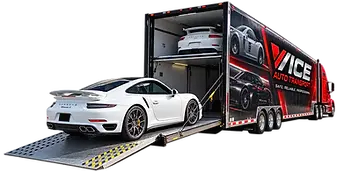
Enclosed transport costs more because there are fewer enclosed trailers, fewer vehicle positions per trailer, and more specialized equipment involved. For a collector car, luxury vehicle, low-clearance vehicle, or a car that simply needs added weather and road-debris protection, enclosed shipping may be worth the difference. It is also common for enclosed pricing to move more with carrier availability than open transport pricing.
The distance matters, but several practical details affect the final rate:
Pickup and delivery locations, including whether either address is outside a major metro area
Vehicle size, weight, ground clearance, and operating condition
Open or enclosed trailer selection
The time of year and how much flexibility you have with pickup
Current fuel costs and available carrier capacity on the route
A vehicle in Orlando going to Los Angeles is generally easier to cover than one leaving the Florida Keys for a small town several hours north of San Francisco. Drivers need accessible places to load and unload, and long trailers cannot always enter narrow residential streets, gated communities, or downtown blocks. When needed, a nearby large parking lot or meeting point can make the process easier for everyone.
Why the cheapest quote can become the expensive choice
You may see a surprisingly low quote from a broker who says they can ship immediately. In this industry, a quote only works if a carrier is willing to accept the job at that rate. If the price is too far below the market, the shipment may sit unassigned while the broker calls to request more money later.
That does not mean every lower quote is dishonest, and a higher quote is not automatically better. It means the number should make sense for the vehicle, route, dates, and service level. Ask whether the quote reflects current carrier pay, whether it includes all known fees, and how the company will communicate if market conditions change.
Open or Enclosed Transport?
Open transport is the standard choice for most Florida-to-California shipments. Your vehicle rides on an open multi-car trailer, the same type commonly used to deliver new vehicles to dealerships. It is usually the most available and cost-effective option for daily drivers, family vehicles, dealership inventory, and many online purchases.
Enclosed transport protects the vehicle from weather and normal road exposure during the trip. It is a sensible option for high-value vehicles, classics, exotics, freshly restored cars, and vehicles with very low ground clearance. Some customers choose enclosed shipping for peace of mind even when the car is not a collector piece. That is a valid preference, as long as the added cost fits the vehicle and budget.
For either option, the carrier should carry the required cargo and liability insurance. Before pickup, ask how insurance documentation is handled and what the carrier’s cargo coverage applies to. Personal items inside the car are often excluded from carrier cargo coverage, so it is better not to treat the vehicle as a moving container.
Pickup and Delivery Timing Across the Country
A coast-to-coast trip itself often takes about seven to 12 days after pickup. The full timeline is longer when you include the time needed to match the shipment with a carrier. Flexible customers generally have more options than someone who needs pickup on one exact day.
Most carriers provide a pickup window rather than a guaranteed appointment time. Traffic, weather, inspections, mechanical issues, prior customer delays, and hours-of-service rules can all affect a driver’s schedule. A reputable broker should explain that upfront instead of presenting an estimated schedule as a guarantee.
If you are flying out, closing on a home, reporting for military relocation, or coordinating with a buyer, build some cushion into the plan. Arrange for a trusted person to release or receive the vehicle if possible. Have the driver’s contact information once assigned, and make sure the person at each end can answer a call or text when the driver is approaching.
Auction and online-purchase shipments need extra planning
Vehicles from Copart, IAA, Manheim, dealerships, and private sellers often have tighter logistics than a residential pickup. Auction storage deadlines, release paperwork, lot hours, keys, and vehicle condition can all affect pickup.
If an auction vehicle does not run, rolls poorly, has flat tires, or has damage that affects loading, disclose it before booking. A standard carrier may still be able to move it, but the equipment and price may need to change. Accurate information at the start helps prevent a driver from arriving with the wrong setup.
For a private-party purchase, confirm that the seller is comfortable releasing the car to a carrier and that they have the title or keys handled as appropriate for the sale. Transporting the vehicle and transferring ownership are separate processes, but poor coordination between them creates avoidable delays.
How to Prepare Your Vehicle
Preparation is straightforward, but it matters on a trip this long. Clean the exterior enough to document its condition, remove loose accessories, and take clear time-stamped photos from multiple angles. Photograph existing scratches, dents, wheel damage, and windshield chips.
Leave about a quarter tank of fuel, disable or disclose alarms, and secure any removable parts. Remove toll tags, parking passes, and personal belongings. A carrier may allow a small amount of personal property in some cases, but it can add weight, create compliance issues, and may not be covered if something is lost or damaged.
At pickup, you or your representative will review the vehicle with the driver and sign a bill of lading that records its condition. Read it before signing. Do the same at delivery, before final acceptance. If there is a concern, document it clearly on the paperwork and take photos while the driver is present. Damage claims are uncommon, but documentation is what protects you if one has to be reviewed.
Choosing a Broker You Can Actually Reach
Auto transport brokers coordinate the shipment by connecting customers with properly vetted carriers that run the route. That can be useful on a long Florida-to-California move because carrier availability changes daily and one company rarely has its own equipment everywhere customers need it.
What matters is how the broker handles the coordination. You should be able to get a straightforward explanation of the quote, the pickup process, carrier assignment, insurance questions, and payment terms. Be cautious if you cannot reach a real person after submitting your information, or if the company will not explain what happens when the original rate does not attract a carrier.
Vice Auto Transport takes a hands-on approach to those conversations because customers should know what is happening with their vehicle, not just receive an automated booking confirmation. A real transport specialist can help determine whether flexible open shipping makes sense, whether enclosed transport is appropriate, and whether a specific pickup date is realistic for the route.
A cross-country shipment is a major handoff, but it does not need to be confusing. Share accurate vehicle details, allow reasonable schedule flexibility, and choose a transport partner that gives direct answers before the car is loaded. Then let Vice Auto Transport handle the miles.


Comments