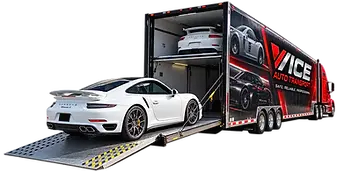


Car Shipping Demand Trends That Affect Your Quote
A quote can look very different from one week to the next, even for the same vehicle and route. That is because car shipping demand trends influence how many carriers are available, where their trucks need to go, and how quickly a driver can fill an open spot. If you are moving, buying a vehicle online, sending a car to college, or arranging a seasonal relocation, understanding demand helps you set a realistic budget and timeline.
Vehicle transport is not priced like a flat-rate parcel shipment. A carrier has limited space, must plan a profitable route, and needs to account for fuel, weather, loading requirements, and delivery timing. The best time to ship depends on your lane, your flexibility, and the type of equipment your vehicle requires.
What Drives Car Shipping Demand Trends?
Demand rises when more customers need the same routes at the same time. Carriers respond by shifting equipment toward busy markets, but there is rarely an instant supply of trucks where demand appears. This is why a busy season can mean higher rates or a wider pickup window, especially on less common routes.
The biggest factor is seasonality. Spring and summer tend to bring more household moves, college transitions, vacations, online vehicle purchases, and dealership activity. Snowbirds also create predictable demand between northern states and warmer southern markets. In the fall, the pattern often reverses as seasonal residents move back north.
Winter is more complicated than simply being "slow." Some routes may have lower demand, while northern lanes can become harder to service because of snow, ice, shorter daylight hours, and road restrictions. A carrier may need more time to cover a weather-affected route, which reduces available capacity. Transport to Alaska, Hawaii, Puerto Rico, or the U.S. Virgin Islands can also involve port schedules that do not always move at the same pace as mainland trucking.
Busy Seasons Do Not Affect Every Route the Same Way
A popular route from Florida to the Northeast is not the same as a rural pickup in Montana headed to a small town in Louisiana. Major metro areas usually give carriers more opportunities to load and unload vehicles nearby. Remote locations may require a driver to make a detour, wait for another vehicle in the area, or use a smaller truck for part of the move.
That is why broad statements such as "summer shipping costs more" are only partly useful. Summer may be a high-demand period overall, but a specific route could be well supplied with carriers. Likewise, an off-season shipment may still be priced higher if there are few trucks heading toward your delivery location.
The direction of travel matters, too. A driver needs freight or vehicles for both sides of a trip. If many cars are moving into a market but fewer are leaving it, the outbound lane may cost more because a carrier has fewer options to fill the return portion of the route. This balance changes throughout the year.
How Demand Changes Your Price and Pickup Window
When demand is high, a carrier has more vehicles competing for available trailer space. Customers who need a very narrow pickup date, expedited service, enclosed transport, or a remote location may need to budget more to attract the right equipment.
A lower quote is not always a better shipping plan. If the offered rate is below what carriers are accepting for that lane, your order may sit while other vehicles are dispatched first. A realistic quote is designed to get carrier attention without paying for services you do not need.
Flexibility usually helps. A pickup window of several days gives a dispatcher more options than a request for a specific two-hour appointment. Meeting an open carrier trailer at a nearby wide street, shopping center, or truck-friendly location can also make loading easier when residential streets have tight turns, low branches, or parking restrictions.
That does not mean every customer should accept an open-ended schedule. If you are coordinating a lease return, military-style transfer, closing date, flight, or port delivery, timing may be the priority. In that case, state the deadline up front. The transport plan can be built around the actual requirement instead of a rate that looks good but does not fit your schedule.
Vehicle Type Can Create Its Own Demand Pressure
Standard sedans and SUVs fit the equipment most carriers already operate, so they generally have the broadest pool of available transport options. Oversize pickups, lifted vehicles, non-running cars, heavy EVs, classic cars, motorcycles, and equipment can require more planning.
An oversized truck may take up more trailer space or require a flatbed, step-deck, or other specialized setup. A vehicle that does not run needs a carrier with a winch or ramps and enough room to load it safely. Enclosed transport protects collector, luxury, and low-clearance vehicles from road exposure, but enclosed trailers are less common than open carriers. During a busy period, that smaller supply can affect both price and timing.
Accurate vehicle details matter. Share the year, make, model, modifications, operable condition, pickup and delivery ZIP codes, and the date you need the vehicle available. If the car has a lift kit, wide tires, low ground clearance, or mechanical issues, say so before dispatch. Surprises at pickup can delay the move or lead to a carrier declining the load.
Planning Around Demand Without Overpaying
You do not need to predict the whole market to ship your car well. You need enough lead time to compare practical options and make clear decisions. For a standard domestic shipment, requesting a quote one to two weeks before your vehicle is ready is often a reasonable starting point. For peak moving periods, specialized vehicles, remote areas, or port-related transportation, more notice is usually better.
Avoid booking so far in advance that the vehicle is not actually available when a carrier is ready. A transport order works best when the car can be released within the stated pickup window. If the vehicle is at a dealership, repair shop, auction, storage facility, or military installation, confirm its hours, release process, and any paperwork requirements before scheduling.
There are four practical ways to reduce avoidable delays:
Keep the pickup and delivery dates realistic, including time for title work, repairs, or a seller to release the vehicle.
Choose open transport when the vehicle does not require enclosed protection and budget is the main concern.
Be flexible about a nearby safe loading location if a large trailer cannot access your street.
Communicate changes immediately, especially if the vehicle becomes unavailable, inoperable, or needs to reach a port by a fixed date.
When Expedited Shipping Makes Sense
Expedited service can be useful, but it is not a magic switch. It typically means offering a rate that makes a carrier adjust a route, prioritize the load, or reserve space quickly. That can be worthwhile for a last-minute move, a vehicle needed for work, a missed delivery deadline, or a time-sensitive purchase.
For a routine move with flexible dates, expedited shipping may not add enough value to justify the added cost. Ask whether the urgency is truly about pickup, delivery, or both. A customer who needs the car picked up quickly but can wait for delivery may have more affordable options than someone who needs a guaranteed fast transit time.
Questions to Ask Before You Book
A useful quote conversation should go beyond the price. Ask about the expected pickup window, the transport type, whether the vehicle is likely to be loaded on a multi-car carrier, and what could affect timing on your route. For Hawaii, Alaska, Puerto Rico, and U.S. Virgin Islands shipments, ask how the overland and port portions are coordinated and what dates apply to each stage.
You should also understand payment terms, insurance documentation, vehicle inspection procedures, and how updates will be communicated. The right shipping partner should explain the process in plain language, not make you guess what happens after you accept a quote.
Demand will always move with seasons, routes, weather, and available equipment. The practical advantage comes from planning early enough to have choices, then matching the service level to what your vehicle and schedule actually require. A clear set of dates and honest vehicle details give your transport team the information needed to find the right carrier without creating unnecessary stress.