

Commercial Freight Hauling Guide for Shippers

A commercial freight hauling guide should start with one practical question: what exactly has to move, and what could go wrong if it is loaded on the wrong equipment? A palletized shipment, a crated motorcycle, a skid steer, and a 40-foot piece of machinery may all be called freight, but they require very different planning. Clear details upfront help your carrier match the load to the right truck, price it accurately, and avoid pickup-day surprises.
For businesses, dealers, contractors, and individuals moving equipment or large items, freight hauling is less about finding the lowest number and more about getting the load moved safely, legally, and on a schedule that works. The right plan protects your cargo, your timeline, and your budget.
Start With the Load, Not the Truck
The equipment choice should follow the freight, not the other way around. Before requesting quotes, gather the load's exact length, width, height, and weight. Estimated measurements can create expensive problems if a carrier arrives with insufficient deck space, improper ramps, or a trailer that cannot legally carry the weight.
Also identify whether the freight runs, rolls, lifts, or needs special handling. A vehicle that can be driven onto a trailer is simpler to load than a non-running vehicle. A machine with tracks, low ground clearance, or a damaged axle may need ramps, a winch, or a different trailer configuration. Freight that cannot be stacked, has loose parts, or requires protection from weather should be described clearly from the start.
Photos are useful because they answer questions that dimensions alone cannot. They show tie-down points, ground clearance, attachments, packaging, condition, and whether a forklift can access the freight. If there are attachments such as buckets, blades, forks, or removable mirrors, confirm whether they are included in the quoted dimensions and weight.
Choose Equipment That Fits the Job
A standard dry van works well for many boxed, crated, and palletized shipments that need weather protection. It is not the answer for every commercial load, especially oversized equipment or items that need to be loaded from the side, top, or rear with special access.
Open flatbeds are common for equipment, machinery, construction materials, and freight that can tolerate normal road exposure. They offer flexible loading access, but the cargo must be properly secured and may need tarping. Flatbeds are often a practical choice when loading docks are unavailable.
Step-deck trailers provide a lower deck height than a standard flatbed. That makes them useful for taller freight that would exceed legal height limits on a flatbed. For heavier or taller equipment, an RGN, or removable gooseneck trailer, may be necessary. Its low deck and front-loading capability can make it a better option for large machinery, though availability and cost can be higher.
Hotshot trucks with ramps can be a good fit for lighter equipment, vehicles, smaller machinery, and time-sensitive loads. They may offer more flexibility for residential or limited-access pickup locations. However, they do not replace a full-size tractor-trailer for every load. Weight capacity, deck length, and route requirements still matter.
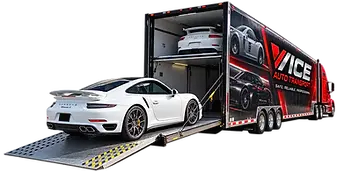
Enclosed trailers are worth considering for high-value vehicles, sensitive equipment, specialty inventory, or freight that should stay protected from weather and road debris. The trade-off is usually a higher price and more limited availability than open transport.
Commercial Freight Hauling Guide: Build an Accurate Quote
A quote is only useful when it is based on complete information. The pickup and delivery ZIP codes matter, but they are only one part of the equation. Freight type, dimensions, weight, condition, trailer needs, loading method, timing, and site access all affect the final rate.
When comparing quotes, ask what service is included. Confirm whether the price covers loading assistance, securement, permits if needed, tolls, fuel, and delivery to the exact destination. If the shipment requires a forklift, crane, loading dock, winch, or labor at either end, make sure that requirement is discussed before booking.
Be careful with a quote that is dramatically lower than the others. It may be based on incomplete dimensions, an unrealistic pickup window, or a carrier type that does not actually fit the shipment. The goal is not to pay more than necessary. It is to receive a realistic rate for a carrier that can handle the job as described.
For recurring commercial shipments, consistency can matter as much as a single-load price. Reliable communication, accurate paperwork, and a carrier network that can source appropriate equipment may reduce disruptions over time.
Prepare the Freight Before Pickup
Most avoidable delays happen at pickup. The driver may have the right trailer and a confirmed appointment, but the freight is not packaged, the loading area is blocked, or the required equipment is unavailable. A short pre-pickup check prevents a long wait and possible additional charges.
Have the shipment ready before the truck arrives. For palletized freight, use sound pallets, secure wrapping, and clear labels. For machinery and equipment, remove loose tools and personal items, secure moving components, and confirm fuel levels when applicable. If the item has a key, make sure a designated person can provide it.
Keep these details available for the carrier and receiving party:
Pickup and delivery contact names, phone numbers, and appointment hours
Exact dimensions and verified weight of each freight piece
Loading and unloading capabilities, including forklift or dock access
Any access limits, such as narrow roads, gate codes, low wires, or site rules
Shipment paperwork, condition photos, and special handling instructions
For equipment moving between job sites, check the access route before booking. A large tractor-trailer may not be able to turn around on a narrow rural road or enter a crowded construction site. In those cases, meeting at a nearby accessible location or using a smaller hotshot setup may be the better plan.
Understand Securement, Condition, and Coverage
Proper securement is not optional. Carriers use chains, straps, binders, blocking, and other methods based on the freight type and applicable regulations. The freight must also have suitable tie-down points. If an item is not designed for standard securement, say so early. A carrier may need to use a different approach or equipment.
Document condition before pickup, especially for vehicles, machinery, and used equipment. Take dated photos from multiple angles, including existing dents, scratches, leaks, broken glass, or missing parts. This is not about expecting a problem. It creates a clear record if questions arise later.
Ask about cargo coverage and understand the limits. Coverage can vary by carrier, cargo type, declared value, and exclusions. High-value, unusual, or specialty freight may require additional protection. Do not assume every item is covered the same way simply because it is on the same trailer.
Plan for Timing Without Overpromising
Freight transportation operates around truck availability, route density, weather, traffic, loading delays, and legal driving hours. A direct route between two cities does not always mean the truck can pick up tomorrow and deliver the following morning. The load may need to be grouped with compatible freight, or the carrier may need to coordinate appointments around an existing route.
If a delivery date is critical, communicate that at the quote stage. There may be options for expedited service, dedicated transport, or a more direct equipment match. Those options typically cost more, but they can be worthwhile when a production line, customer delivery, auction deadline, or job site depends on the freight arriving on time.
Build reasonable flexibility into standard shipments when possible. A flexible pickup window can improve carrier availability and help control cost. At the same time, do not promise a customer or receiving site a delivery time that has not been confirmed.
When Specialized Freight Hauling Makes Sense
Some loads fall outside normal freight planning. Oversized machinery, exceptionally heavy equipment, inoperable vehicles, military-style relocations, port moves, and shipments to Alaska, Hawaii, Puerto Rico, or the U.S. Virgin Islands can involve additional scheduling and handling steps. These moves may require permits, port coordination, specialized trailers, or transfers between transport modes.
That does not mean the process has to be confusing. It means the shipment needs a more detailed conversation before it is assigned. Vice Auto Transport can help arrange open, enclosed, flatbed, hotshot, step-deck, and RGN options based on the load and route.
The best freight move starts with accurate information and a carrier plan that makes sense for the cargo. Measure carefully, explain the loading conditions honestly, and leave enough time to match the shipment with equipment that can do the job right.


Comments