


.png)


How Port Congestion Affects Vehicle Shipping

A vehicle can be loaded, released, and ready to move - then sit longer than expected because the port is full. For customers shipping a car to or from Hawaii, Alaska, Puerto Rico, or the U.S. Virgin Islands, port congestion can affect timing even when the trucking portion of the shipment is running smoothly.
That does not always mean something has gone wrong. Ports operate on vessel schedules, terminal capacity, labor availability, cargo release procedures, and local truck access. Understanding where delays happen helps you set a realistic schedule and avoid making a vehicle shipment more stressful than it needs to be.
What Port Congestion Actually Means
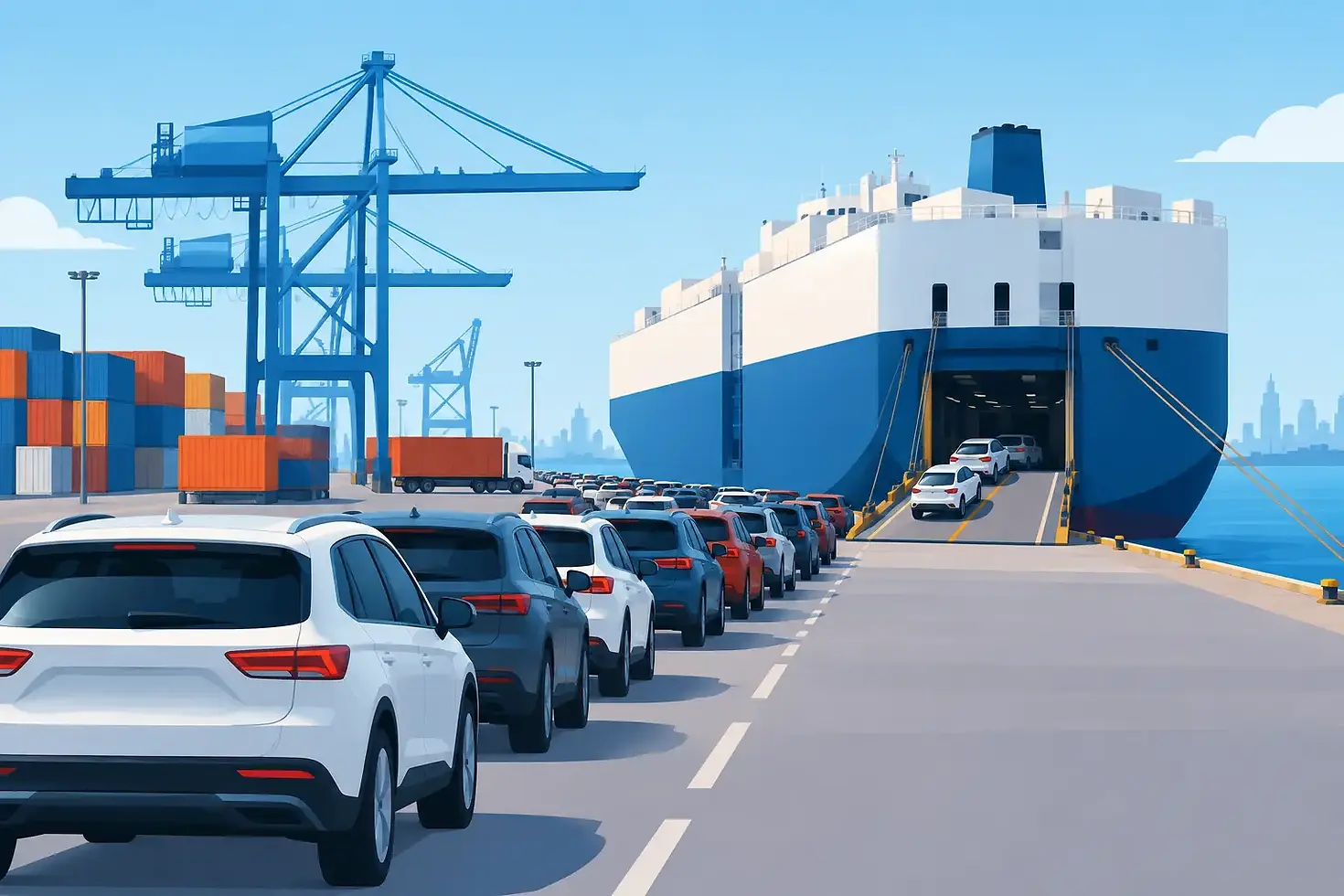
Port congestion occurs when a port, terminal, or nearby transportation network has more cargo to process than it can move efficiently. The backup may involve vessels waiting for a berth, containers waiting for yard space, vehicles waiting to be released, or trucks waiting for appointment times at the gate.
For vehicle shipping, the delay does not always happen on the water. A car may arrive at a destination port on schedule but wait for unloading, processing, inspection, paperwork clearance, or carrier pickup. The same can happen before departure if the terminal is managing a heavy volume of inbound vehicles and freight.
It is useful to separate a port delay from a carrier delay. A trucker may deliver your vehicle to the correct terminal on time, yet the next available sailing can still be several days away. Likewise, a vessel can arrive as planned while terminal operations delay final release. Each leg has its own schedule.
Why Port Congestion Happens
Ports are large systems with many moving parts, and congestion rarely has one simple cause. Seasonal demand is a common factor. Military moves, snowbird relocations, dealership inventory shifts, holiday freight, and major vehicle-buying cycles can all create higher volume during certain periods.
Weather also matters. High winds, storms, rough seas, fog, and flooding can limit vessel movement or pause loading operations. Even after weather improves, a port may need time to work through the backlog. A one-day closure can affect several days of vessel and truck schedules.
Labor availability, equipment shortages, limited storage space, and road or rail bottlenecks can add pressure as well. At some terminals, trucks need a confirmed appointment to drop off or retrieve cargo. If appointments fill up, the vehicle may be ready to move but unable to enter or leave the terminal immediately.
Documentation issues are another avoidable source of delay. A missing title, incorrect vehicle information, incomplete authorization, or a required lienholder document can keep a vehicle from being accepted or released. This is especially relevant for port moves, where the terminal and ocean carrier may have different requirements than a standard state-to-state truck shipment.
How Port Congestion Affects Your Vehicle Shipment
The biggest effect is usually timing. Pickup and delivery windows become less predictable because port schedules are not the same as highway transit schedules. A customer may receive an estimated sailing date, but that date can change if a vessel is delayed, rolled to a later departure, or unable to take additional cargo.
A "rolled" shipment means the vehicle did not make the planned vessel and is moved to the next available sailing. This can happen because of space limits, late terminal delivery, documentation timing, or an operational change by the ocean carrier. It is frustrating, but it is not automatically a sign that the shipment was mishandled.
Congestion can also affect price. When capacity is tight, carriers may face added waiting time, terminal-related charges, or higher demand for drayage - the short truck move between a port and a nearby location. Rates are not always affected, but a quote built around a normal operating environment may need to be adjusted if the scope of work changes.
There is also a practical issue with personal planning. If you are flying to an island, starting a new job, closing on a home, or selling a vehicle after it arrives, do not schedule those decisions around an exact port release date. Build some flexibility into your plans, particularly during busy seasons or severe weather periods.
Port Congestion and Different Vehicle Shipping Methods
The shipping method can change how congestion affects a vehicle. Roll-on/roll-off service, often called RoRo, is commonly used for operable cars, trucks, and equipment that can be driven or moved onto the vessel. It can be an efficient choice, but it depends heavily on vessel schedules and terminal procedures.
Container shipping may be used for certain vehicles, motorcycles, parts, or higher-control freight moves. Containers can offer a different handling process, but they are not immune to congestion. Container availability, yard access, loading appointments, customs processing, and vessel capacity can all affect timing.
A door-to-port or port-to-door shipment adds another handoff. The inland carrier must coordinate delivery or pickup around the port's receiving hours and appointment rules. An open trailer may be practical for a standard vehicle, while enclosed transport may be the better choice for a collector car or high-value vehicle. The right equipment protects the vehicle during the overland leg, but it does not eliminate terminal scheduling limits.
Operability matters, too. A vehicle that does not run, steer, brake, or roll normally may require special handling. That can narrow the available carrier and terminal options, especially during periods when ports are already under pressure. Share accurate condition details early so the correct equipment can be arranged.
How to Plan Around Port Congestion
The best approach is not to assume every port shipment will be delayed. Many move on schedule. Instead, plan for a reasonable buffer and make sure every party has the correct information before the vehicle reaches the terminal.
A few steps make a real difference:
Book early when your shipment is tied to a firm move date, especially for island routes and seasonal relocations.
Have ownership documents, identification, lienholder paperwork, and any required authorization ready before pickup.
Confirm whether the vehicle must be empty, how much fuel is allowed, and whether accessories or personal items are permitted.
Give accurate pickup and delivery addresses, plus a dependable phone number for time-sensitive updates.
Avoid booking a flight, sale, rental return, or repair appointment on the exact estimated arrival day.
The right amount of lead time depends on the route, service type, vehicle condition, and current port activity. A standard sedan moving on a regular route may have more options than oversized equipment, a lifted truck, or a non-running vehicle that needs a specialized trailer or ramp service.
What You Can Expect From a Good Shipping Coordinator
A shipping coordinator cannot control weather, vessel availability, or terminal backlogs. What they can do is set expectations honestly, verify the booking details, match the vehicle to an appropriate carrier, and communicate when the schedule changes.
Ask what portion of the move is estimated versus confirmed. A confirmed inland pickup does not always equal a confirmed sailing date. Also ask who will provide updates after the vehicle reaches the port, what documents are needed for release, and whether there are storage deadlines if the vehicle cannot be collected promptly after arrival.
Clear communication matters most when plans change. A vague update such as "the port is backed up" is not very helpful. A useful update explains whether the vehicle is waiting for terminal acceptance, vessel assignment, unloading, release, or final carrier pickup. Those are different stages, and they require different next steps.
When a Delay Should Raise Questions
Some delay is normal in ocean and port-based transportation. However, you should ask for clarification if there is no status update for an extended period, if the location of the vehicle cannot be confirmed, or if new charges are presented without an explanation of what changed.
Request the current status in plain language: where the vehicle is, whether it has been accepted by the terminal, whether it has sailed or arrived, and what is needed before the next movement can happen. Keep copies of your booking confirmation, condition report, title-related paperwork, and communications. Good records make any question easier to resolve.
Port congestion is a scheduling challenge, not a reason to avoid shipping a vehicle by water. With realistic timing, correct paperwork, and a transport partner who keeps you informed, you can make decisions based on the actual stage of the shipment instead of guessing. Leave room in your schedule, stay reachable, and let the logistics team handle the handoffs that happen behind the terminal gate.


Comments