

Salvage Vehicle Transport for Auction Buyers

A salvage car can be a great buy until it is sitting at an auction yard, the storage clock is running, and it will not start. Salvage vehicle transport is different from shipping a clean, running vehicle because the carrier must know exactly what condition the vehicle is in before dispatching the right equipment.
Whether you bought a repair project, a parts vehicle, or a car with minor damage and a salvage title, clear details make the move safer and more predictable. The goal is simple: get the vehicle picked up without surprises, avoid unnecessary storage fees, and have it delivered where you can inspect, repair, or rebuild it.
Why Salvage Vehicle Transport Needs More Planning
A salvage title alone does not make a vehicle difficult to ship. Many salvage vehicles roll, steer, brake, and load much like any other car. The challenge is the damage condition. A car may have a dead battery, flat tires, a broken suspension, a missing key, locked wheels, or body damage that prevents it from being safely driven onto a trailer.
Auction facilities also work differently from a private driveway. They may have set pickup hours, release requirements, loading rules, and deadlines for removing a vehicle. Some yards require the carrier to provide identifying information before pickup. Others will not release the vehicle unless the buyer has completed payment and submitted the proper authorization.
That is why an accurate quote starts with more than the year, make, and model. The transport coordinator and carrier need to know where the vehicle sits, whether it runs, and whether it can move under its own power. Those details determine the truck, loading method, price, and pickup plan.
The Details a Carrier Needs Before Pickup
Do not assume a vehicle is operable because an auction listing says it has keys or shows engine photos. Review the condition report, inspect available pictures, and be honest about anything that could affect loading. If you are not certain, describe the vehicle as inoperable until the condition is verified.
A carrier should know whether the vehicle starts, rolls, steers, and brakes. Those are four separate questions. A vehicle might start but have a damaged wheel that will not roll. It may roll but have no steering due to front-end damage. It might move under power but have weak brakes that make loading unsafe.
Also share the following information when requesting a rate:
The pickup and delivery ZIP codes
The auction yard or storage facility name
The vehicle year, make, model, and VIN if available
Whether keys are present
Whether it starts, rolls, steers, and brakes
Visible damage, missing wheels, low ground clearance, or fluid leaks
The last day the vehicle can be picked up without added storage charges
Photos are especially useful. A few current images of the front, rear, sides, wheels, and interior can prevent a carrier from arriving with equipment that is not suited to the job. This is not about making the shipment complicated. It is about sending a driver prepared to load the vehicle correctly.
Choosing the Right Transport Equipment
Open auto transport is often the most budget-conscious option for a salvage vehicle that rolls and can be loaded safely. It is commonly used for auction purchases, repairable cars, and standard vehicles moving between states. Exposure to weather and road debris is the trade-off, so it is usually not the first choice for a restored collector vehicle or one with fresh paint.
For damaged or non-running units, a carrier may need a winch-equipped trailer. A winch allows the driver to pull a vehicle onto the trailer when it cannot be driven. That does not mean every non-running vehicle can be loaded on a standard car hauler. Severe suspension damage, locked wheels, a vehicle sitting too low, or extensive front-end damage may require a flatbed, tilt trailer, hotshot with ramps, or other specialized equipment.
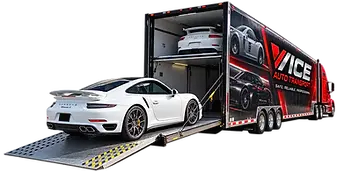
Enclosed transport can make sense when the vehicle has high value despite its title history, such as a rare restoration candidate, luxury car, or collector vehicle. It provides more protection from weather and road exposure, but it usually costs more and may not be necessary for an ordinary repair project.
The right choice depends on the vehicle's condition, not just its title. A rolling salvage sedan may be straightforward. A heavy pickup with a damaged axle or a car with loose body panels needs a more specific plan. Trying to force a difficult load onto the cheapest available trailer can cause delays and added costs.
How to Prepare a Salvage Vehicle for Shipping
Before the pickup date, confirm that the auction or storage yard has released the vehicle and that the carrier can access it during operating hours. Provide any buyer number, lot number, release document, or gate instructions required by the facility. If someone else will receive the vehicle, make sure they know the expected delivery window and have the ability to inspect it.
Remove personal property if the auction or seller allows it. Carriers generally cannot transport household goods, loose parts, or valuables inside the vehicle. Loose items can shift during transit, damage the interior, create a safety issue, or violate carrier rules.
If the vehicle has a loose bumper, hanging undertray, broken glass, or detached panels, let the carrier know ahead of time. Secure what can be safely secured. Do not ask a driver to load a vehicle with parts that may fall off on the highway. The same applies to severe fluid leaks. Small seepage may be manageable, but an active fuel, oil, coolant, or transmission fluid leak can affect whether the vehicle can be transported and how it must be loaded.
Keep the fuel level low when possible. A quarter tank or less is generally enough for loading a running vehicle and reduces unnecessary weight. For electric vehicles, disclose battery damage or concerns clearly. A damaged high-voltage battery requires special attention and may not be suitable for routine vehicle transport.
Pickup Timing and Storage Fees
Auction buyers often focus on the transport price and overlook timing. A lower quote does not help if the carrier cannot pick up before storage fees begin. If your release deadline is close, say so at the start. Pickup windows depend on route availability, equipment needs, auction release timing, and how quickly a carrier can be assigned.
Flexibility can help control cost. If the vehicle is safe to remain at the yard and you have several days before storage starts, a carrier may be able to fit it into an existing route. If the deadline is immediate or the vehicle needs specialized equipment, options may be narrower and pricing may reflect that urgency.
It also helps to understand that pickup dates are often windows, not promises tied to a single hour. Auction lots can have lines, restricted access, and paperwork delays. A professional driver still needs time to inspect the vehicle, locate it in the yard, and load it safely.
What Happens at Delivery
At delivery, inspect the vehicle before signing the carrier's condition report. Salvage vehicles already have damage, so the pickup inspection matters. The driver should document visible condition at origin, including major dents, broken components, and non-operational issues that are apparent before loading.
Compare the vehicle to that report and to your own auction photos. Look for new transport-related damage, but keep the condition of the vehicle in perspective. Existing collision damage, missing parts, mechanical failure, and undisclosed auction issues are not the same as damage caused during shipping.
If you see a concern, note it on the delivery paperwork before the driver leaves and take clear photos. Do not wait several days to raise a question. Prompt documentation gives everyone the best chance to review what happened fairly.
Avoid the Most Common Shipping Mistakes
The biggest mistake is calling a vehicle "running" when it only ran weeks ago or when the auction report is unclear. The second is withholding damage details in hopes of receiving a lower quote. Both can lead to a failed pickup, a re-dispatch fee, or a truck arriving without the winch or trailer setup needed to load the vehicle.
Another common issue is waiting until the last day to arrange transport. Salvage auction storage fees can add up quickly, especially when pickup requires a specialized carrier. Start requesting quotes as soon as you have a realistic purchase plan, even if you are still waiting for the vehicle to be released.
Vice Auto Transport helps customers match salvage vehicles with appropriate carriers and equipment, from standard open trailers to flatbeds and winch-capable solutions. A quick conversation about the vehicle's actual condition can prevent the costly part of salvage shipping: discovering the problem only when the truck arrives.
A salvage vehicle does not need a complicated shipping process. It needs an honest condition report, the right loading plan, and enough time to coordinate pickup. Give the transporter accurate information from the beginning, and the vehicle has a much better chance of leaving the yard on schedule and arriving ready for its next step.


Comments