

Top Questions for Transport Brokers to Answer

A car shipping quote can look simple until you try to compare it with three others. One price is far lower, another promises a pickup date that seems too good to be true, and a third gives you very little detail. That is why the top questions for transport brokers are not just about finding the cheapest number. They help you understand who is handling the shipment, what the quote actually covers, and what happens when real-world scheduling changes.
A reputable auto transport broker should be comfortable answering direct questions. In fact, clear answers are usually a better sign than a flashy website or an instant quote form.
Are You a Broker or the Carrier Moving My Car?
This is the first question to ask because it sets expectations. A broker arranges transportation by connecting customers with licensed motor carriers that have trucks operating on the needed route. The broker coordinates the listing, pricing, carrier selection, pickup details, delivery communication, and support throughout the shipment.
A carrier is the company operating the truck. Some companies are both brokers and carriers, but many nationwide vehicle shipments are arranged through a broker because no single carrier has trucks on every route, every day.
There is nothing wrong with using a broker. The key is transparency. Ask who will provide the carrier information, when you will receive it, and whether the broker checks the carrier's authority and insurance before assigning the vehicle.
How Did You Arrive at This Price?
Auto transport pricing is based on the route, distance, vehicle size, condition, transport type, season, fuel costs, and current truck availability. A running sedan moving between major cities on a busy route generally costs less to ship than a large SUV going to a remote location. A non-running vehicle, for example, needs equipment and loading time that many standard shipments do not.
Ask whether the quote reflects a realistic current market rate or simply a low starting figure. This matters because carriers choose loads based largely on the amount offered to them. A quote that is too low may sit without a carrier accepting it, then require a price increase as the pickup deadline gets closer.
The lowest quote is not automatically a scam, but it deserves a closer look. Ask whether the price is all-inclusive, whether there are separate broker and carrier payments, and what circumstances could change the final cost. Honest answers should be specific, not evasive.
Can the Price Change After I Book?
It depends on the details provided at booking. The price may need to be adjusted if the vehicle is larger than described, does not run as stated, has aftermarket modifications, requires an enclosed trailer, or is located somewhere a truck cannot safely access. Last-minute scheduling changes can also affect pricing.
That is different from a broker casually raising the price because the original quote was never workable. Give accurate vehicle information from the beginning, including operability, lift kits, oversized tires, and low ground clearance. Then ask what the process is if market conditions require a revision.
What Pickup and Delivery Timing Should I Expect?
Auto transport works on pickup and delivery windows, not airline-style reservations. Trucks deal with traffic, weather, inspections, previous customers, road restrictions, and loading delays. Even a well-planned route can change during the week.
Ask for the expected pickup window, how much notice you will receive, and whether the date is an estimate or a guaranteed service with defined terms. A good broker will explain the difference rather than promising a date they cannot control.
Delivery timing depends on where the vehicle is picked up, how far it is traveling, and how many stops the carrier has along the route. Cross-country shipments naturally have more moving parts than a regional move. Flexibility on pickup and delivery often creates more carrier options and can reduce the pressure to overpay for expedited service.
How Do You Vet the Carrier Assigned to My Vehicle?
This question separates a hands-on brokerage from a quote collection site. Before assignment, ask whether the carrier's operating authority, cargo insurance, safety information, and equipment suitability are reviewed. For enclosed transport, classic cars, luxury vehicles, or low-clearance vehicles, the type of trailer and the driver's experience can matter as much as the price.
You should receive the carrier's name and contact information once the shipment is assigned. You can also ask whether the carrier has experience with your specific situation, such as auction pickups, a non-running vehicle, or a difficult residential street.
No broker can remove every risk from transportation. What they can do is avoid treating carrier selection like an afterthought and stay involved if communication needs attention.
Is My Vehicle Covered by Insurance During Transport?
The carrier's cargo insurance is the primary coverage while the vehicle is on the truck. Ask for confirmation of the carrier's insurance and whether there are exclusions relevant to your vehicle. Personal items inside a vehicle are often not covered by cargo insurance, and most carriers either prohibit them or allow only limited items at the customer's risk.
It is also smart to check your own auto insurance policy before shipping. Some policies may provide limited coverage, but you should not assume they cover every transit-related issue.
Insurance works best alongside a careful inspection. At pickup, the driver should document the vehicle's existing condition on a bill of lading. Take clear, time-stamped photos of all sides of the vehicle, wheels, glass, roof, and any existing damage before it loads. Review the inspection again at delivery before signing off.
What Happens if There Is Damage?
Ask this before booking, not after a problem occurs. The proper process usually begins by noting new damage on the delivery inspection paperwork before the driver leaves. Photos, documentation, and prompt communication matter. A broker should help explain the next steps and facilitate communication, though the carrier and its insurer handle the actual cargo claim.
Should I Choose Open or Enclosed Transport?
Open transport is the most common and usually the most cost-effective option. Vehicles travel on an open multi-car trailer, similar to the trucks used to deliver cars to dealerships. It is a practical choice for most daily drivers, relocations, and standard online vehicle purchases.
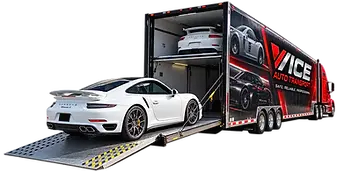
Enclosed transport costs more because there is less trailer capacity and a higher level of protection from road debris and weather. It is often worth considering for collector cars, exotic vehicles, restored classics, high-value luxury vehicles, or cars with very low ground clearance. The right choice depends on the vehicle's value, condition, and your comfort level with exposure during transit.
Can You Handle My Auction or Dealer Pickup?
Auction and dealer pickups require tighter coordination than a driveway pickup. Copart, IAA, Manheim, and dealership locations may have release requirements, storage deadlines, restricted pickup hours, gate procedures, or rules for non-running vehicles. A carrier cannot simply arrive without the correct information and expect the vehicle to be released.
Tell the broker the auction name, lot number or stock number, buyer number if applicable, pickup deadline, and whether the vehicle starts and rolls. If an auction vehicle has damage, flat tires, missing keys, or no brakes, say so upfront. Those details affect what equipment is needed and whether the driver can safely load it.
Who Will Communicate With Me Once the Shipment Is Booked?
A good question is: "If I need help on pickup day, who answers the phone?" You should know whether your main contact remains the broker, whether you can also contact the driver after assignment, and how updates will be handled if timing changes.
The driver is focused on the route and the physical move. The broker should remain available to help coordinate details, clarify information, and keep the process from becoming a string of unanswered calls. For many customers, especially someone buying a car from another state, that human support is the difference between an uncertain process and a manageable one.
What Do I Need to Do Before Pickup?
Prepare the vehicle so the driver can load it safely and inspect it accurately. Remove personal belongings, loose accessories, toll tags, and valuables. Leave enough fuel to drive on and off the trailer, usually around a quarter tank. Disable alarms if possible, provide any necessary keys, and let the broker know about mechanical issues.
If a full-size transport truck cannot safely enter your neighborhood because of narrow streets, low branches, tight turns, or parking restrictions, expect to meet at a nearby open area such as a shopping center or truck-friendly lot. Door-to-door service means the carrier gets as close as safely and legally possible. It does not mean a large trailer can always reach every driveway.
The right broker will not rush these questions or bury the answers in fine print. Ask them before you authorize a shipment, compare the answers along with the quotes, and choose the company that makes the process clear. When the details are handled honestly from the start, you can let Vice Auto Transport handle the miles.


Comments