

12 Best Questions Before Booking Transport

A vehicle can be ready to move, but the shipment can still go sideways if the details are assumed instead of confirmed. The best questions before booking transport help you compare more than a price. They help you understand who is handling the job, what equipment fits your vehicle, and what the pickup and delivery process will actually look like.
For a first-time shipper, the goal is not to become a transportation expert overnight. It is to get clear answers before handing over keys, signing paperwork, or planning a flight, move, sale, or dealership delivery around an estimated date.
Best Questions Before Booking Transport
1. Is this quote binding, estimated, or subject to change?
Start here, because a low number is only useful if you understand what it represents. Ask whether the quoted amount is the full transport price or an estimate that may change based on carrier availability, route demand, vehicle condition, fuel costs, or special requirements.
A legitimate quote should also explain what is included. Ask about deposits, dispatch fees, payment timing, and accepted payment methods. If a company cannot explain why a price is much lower than competing quotes, that is a reason to slow down. The cheapest number may be based on a rate carriers are unlikely to accept.
2. Are you the carrier, the broker, or both?
There is nothing inherently wrong with working with a broker. Brokers arrange transportation by matching shipments with properly equipped carriers, which can be especially helpful for routes, schedules, and vehicle types that require flexibility. What matters is knowing who is responsible for communication at each stage.
Ask who will dispatch the shipment, who will physically transport the vehicle, and whether you will receive the carrier's contact information once assigned. You should also know who to call if pickup timing changes or a delivery issue needs attention.
3. What type of trailer or equipment will be used?
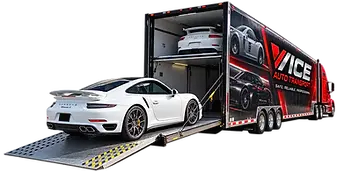
Open transport is the practical choice for most standard cars, trucks, and SUVs. It is widely available and typically costs less. Enclosed transport adds protection from road debris and weather, so it often makes sense for collector cars, exotics, freshly restored vehicles, or vehicles with unusually low ground clearance.
Do not stop at open versus enclosed. Ask whether your vehicle needs a liftgate, ramps, a flatbed, hotshot setup, step-deck, or another specialized option. A non-running car, oversized truck, modified vehicle, motorcycle, or piece of machinery may need equipment that a standard multi-car trailer cannot safely handle.
4. Does my vehicle need to be operable?
Tell the transport coordinator if the vehicle does not start, steer, brake, roll, or have inflated tires. “Non-running” can mean different things in transportation, and the details affect both the equipment and the price.
A vehicle that rolls and steers may be loaded with a winch. One with locked wheels or severe damage may require a different plan. Being specific from the beginning prevents a carrier from arriving with equipment that cannot load the vehicle safely.
5. How do pickup and delivery windows work?
Auto transport rarely operates like a parcel delivery service with an exact appointment set weeks ahead. Traffic, weather, hours-of-service rules, previous pickups, and vehicle inspections all affect timing. Ask for a realistic pickup window and delivery range, then ask how updates are handled if the schedule shifts.
If your move, auction deadline, military reporting date, or buyer handoff is fixed, say so early. Expedited service may be available, but it usually costs more and still depends on route conditions. A clear schedule conversation is better than a promise that sounds perfect but cannot be supported operationally.
6. Is door-to-door service possible at both addresses?
Door-to-door service means the driver aims to collect and deliver as close to your address as it is safely and legally possible. It does not always mean a 75-foot trailer can enter every residential street, apartment complex, gated neighborhood, or downtown block.
Ask whether either location may require a nearby meeting point, such as a wide shopping center lot or truck-friendly street. This is common and should not be treated as a problem. Planning it in advance protects everyone from a last-minute scramble on pickup day.
7. What insurance coverage applies while my vehicle is in transit?
Ask for a straightforward explanation of the carrier's cargo insurance and what documentation is available. You want to understand what is covered, whether there are exclusions, and what happens if damage is found at delivery.
This is also a good time to check your own auto policy. Some policies may provide limited coverage during shipping, while others may not. The transport company's coverage and your personal policy are separate questions, so do not assume one replaces the other.
8. How should I prepare the vehicle before pickup?
Most carriers ask customers to remove personal belongings, disable alarms, keep the fuel level low, and secure or remove loose accessories. Ask about roof racks, spoilers, oversized tires, aftermarket modifications, and toll tags. Items that change a vehicle's height, length, weight, or loading clearance need to be disclosed.
Take clear, dated photos from every angle before pickup. Photograph the windshield, wheels, bumpers, roof, and any existing damage. This takes only a few minutes and gives you a useful record if questions come up later.
9. What paperwork will I sign at pickup and delivery?
The key document is usually the bill of lading, often called the vehicle condition report. At pickup, the driver notes the vehicle's visible condition. At delivery, you inspect the vehicle and compare it against that report before signing.
Ask whether someone else can release or receive the vehicle if you are unavailable. If so, find out what authorization they need and make sure that person knows to inspect the vehicle carefully. Do not rush the final inspection because the driver is on a schedule.
10. Can I put personal items in the vehicle?
Many customers want to use the car as a moving box. That can create problems. Personal property is generally not covered under the carrier's cargo policy, and heavy items can add weight or shift during loading. Certain items may also be prohibited.
Ask for the company's policy before packing anything. If limited personal items are allowed, confirm the weight limit, where items can be placed, and whether there is an added charge. Never leave valuables, important documents, firearms, or medication in the vehicle.
11. What happens if there is a delay, damage, or mechanical issue?
No one books transport expecting a problem, but a professional company should be ready to explain the process. Ask who will contact you if a delay occurs, what information you will receive, and how often updates are provided.
For damage concerns, ask how to document the issue on the bill of lading and how a claim is handled. For mechanical issues, clarify that the carrier is not responsible for an unrelated breakdown, but that any loading or transit-related concern should be reported immediately. Clear procedures matter more than vague reassurance.
12. Do you handle port shipments or non-contiguous destinations differently?
Shipping to Alaska, Hawaii, Puerto Rico, or the U.S. Virgin Islands adds another layer of planning. A shipment may involve a carrier to the port, ocean transport, port paperwork, and a final delivery leg. Ask which portions are included in the quote, where the vehicle must be dropped off or collected, and whether there are deadlines for port delivery.
You should also ask about required documents. Depending on ownership and destination, you may need a government-issued ID, registration, title information, lienholder authorization, or additional forms. Port rules can be strict, so this is not a detail to leave until the vehicle is already on the way.
A Good Booking Should Feel Clear Before It Feels Convenient
A transport quote becomes useful when it comes with a real plan: the right equipment, honest timing, documented coverage, and a reachable point of contact. At Vice Auto Transport, that means discussing the actual vehicle and route rather than forcing every shipment into the same answer.
Before you book, make sure the company has your correct pickup and delivery ZIP codes, vehicle year, make, model, condition, modifications, and desired timing. A few direct questions upfront can protect your schedule, your budget, and your peace of mind long before the truck arrives.


Comments