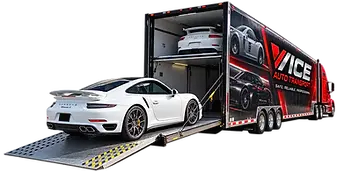


How to Ship a Classic Car Across State Lines

How to Ship a Classic Car Interstate or Cross-Country: Open vs. Enclosed Transport, Insurance & Preparation
A classic car can be perfectly drivable and still be the wrong vehicle for a 1,500-mile road trip.
Long highway miles, unpredictable weather, road debris, mechanical strain, and unfamiliar routes can turn an exciting purchase or carefully preserved family heirloom into an expensive headache.
Whether you've purchased a 1967 Ford Mustang, a restored Chevrolet C10, a classic Corvette, or a vintage Porsche from another state, transporting it professionally can help avoid unnecessary mileage and exposure.
Knowing how to ship a classic car interstate or cross-country starts with choosing the right transportation equipment, understanding insurance coverage, and preparing the vehicle before pickup.
For most classic car owners, the goal is simple: get the vehicle from Point A to Point B without adding unnecessary wear, mileage, or risk.
However, not every classic car requires the same handling.
A regularly driven 1970s Camaro may be suitable for open transportation, while a freshly restored Shelby Mustang or low-clearance European sports car may benefit from enclosed transport with specialized loading equipment.
This guide explains the differences, what affects classic car shipping prices, and how to arrange transportation with realistic expectations.
Can You Ship a Classic Car Across the Country?
Yes. Classic, antique, vintage, restored, and collector vehicles can be transported between states using appropriately equipped motor carriers.
Common reasons for shipping classic cars include:
Purchasing a collector vehicle from another state
Shipping a restoration project to a specialty shop
Moving a classic car to a new home
Transporting a vehicle to or from an auction
Sending a collector car to a dealership or buyer
Moving vehicles between seasonal residences
Transporting a classic to a car show or automotive event
Relocating a private vehicle collection
Transporting the vehicle instead of driving it can help preserve mileage and reduce exposure to highway hazards.
It can also be particularly useful for older vehicles that are mechanically sound but not intended for extended interstate driving.
Popular Classic Cars Shipped Across State Lines
Vice Auto Transport helps coordinate transportation for a wide range of vehicles, from everyday classics to valuable collector cars.
Popular examples include:
Classic Ford Mustangs and Shelby Models
Classic Ford Mustangs remain among the most recognizable collector cars in America.
Common examples include:
1965–1970 Ford Mustang
Mustang Fastback
Mustang Mach 1
Shelby GT350
Shelby GT500
Restored first-generation Mustangs
Modified and restomod Mustangs
Original-condition collector vehicles, rare Shelby models, and freshly restored Mustangs are often good candidates for enclosed transportation.
Modified cars with lowered suspension, aftermarket spoilers, or unusual tire and wheel setups may also need special loading consideration.
Chevrolet Corvette Transport
Corvettes are frequently transported between private collectors, dealerships, specialty shops, and auction houses.
Examples include:
Chevrolet Corvette C1
Chevrolet Corvette C2 Sting Ray
Chevrolet Corvette C3
Chevrolet Corvette C4
Chevrolet Corvette C5 and C6
Collector-edition and limited-production Corvettes
Some Corvettes have relatively low ground clearance and long front overhangs.
The carrier's ramps, loading angle, and available equipment should be considered before pickup.
Classic Chevrolet Camaro, Chevelle and Nova
Popular Chevrolet collector vehicles include:
First-generation Chevrolet Camaro
Camaro SS
Camaro Z/28
Chevrolet Chevelle SS
Chevrolet Nova SS
Restored and modified muscle cars
A driver-quality Camaro might be suitable for open transport.
A freshly painted, high-value restoration may justify the additional protection of an enclosed trailer.
Classic Dodge, Plymouth and Mopar Muscle Cars
Popular Mopar collector vehicles include:
Dodge Charger
Dodge Challenger
Plymouth Barracuda
Plymouth Road Runner
Plymouth GTX
Dodge Super Bee
Rare or highly restored examples may have substantial collector value.
Transport equipment and cargo insurance limits deserve careful consideration before shipping.
Classic Pickup Trucks
Vintage trucks are increasingly popular among collectors, restoration shops, and enthusiasts.
Examples include:
Chevrolet C10
Ford F-100
Ford F-150 classic models
Dodge D-Series pickups
GMC classic pickups
International Harvester pickups
Restored trucks, lifted builds, and custom suspension setups may require additional trailer space or specialized equipment.
For larger or heavily modified trucks, accurate dimensions are especially important.
Vintage European and Japanese Collector Cars
Other commonly transported vehicles include:
Porsche 911
Porsche 356
Mercedes-Benz SL classics
BMW 2002
BMW E30 M3
Jaguar E-Type
Datsun 240Z, 260Z and 280Z
Toyota Supra
Nissan Skyline
Mazda RX-7
Classic Volkswagen Beetle and Bus
Some of these vehicles have low ground clearance, unique starting procedures, unusual dimensions, or valuable components that require additional care.
The vehicle's condition and configuration should determine the transportation arrangement rather than its age alone.
Open vs. Enclosed Classic Car Shipping: Which Should You Choose?
One of the most important decisions when arranging classic car transport is whether to use an open or enclosed carrier.
Both methods can be suitable, but they serve different needs.
Open Classic Car Transport
Open transportation uses the familiar multi-vehicle trailers commonly seen on interstate highways.
Vehicles are secured to an open trailer and transported alongside other cars.
Advantages of open transport:
Generally more affordable
More carriers available nationwide
Often easier to arrange on busy routes
Suitable for many regularly driven classic vehicles
Practical for restoration projects and driver-quality cars
Things to consider:
The vehicle is exposed to rain, dust, and normal road conditions.
Road debris exposure is possible.
Some low-clearance vehicles may require specialized loading arrangements.
Open transport may not be the preferred choice for extremely valuable or freshly restored vehicles.
For a classic that is regularly driven and already exposed to normal road conditions, open transport can be a sensible and economical option.
However, owners should consider the vehicle's condition, paintwork, trim, and overall value.
Enclosed Classic Car Transport
Enclosed transportation uses a covered trailer that provides additional protection from road debris, weather, and outside exposure.
This method is commonly requested for:
High-value collector vehicles
Rare classics
Freshly restored automobiles
Exotic and specialty cars
Show-quality vehicles
Concours-level restorations
Vehicles with delicate paint or exterior trim
Low-clearance sports cars
Advantages of enclosed transport:
Greater protection from weather and road exposure
Less exposure to debris during highway travel
Often preferred for valuable restorations
Some enclosed carriers offer hydraulic liftgates
Specialized carriers may have equipment suited to low-clearance vehicles
Things to consider:
Enclosed transportation costs more.
Fewer carriers operate enclosed equipment.
Availability can be limited on less-traveled routes.
Not every enclosed trailer has a liftgate.
Vehicle dimensions and loading clearance still matter.
Enclosed shipping reduces certain transportation risks, but it does not eliminate every possibility of damage.
Loading, unloading, vehicle securement, and driver experience remain important.
For a deeper comparison, read our guide: Is Enclosed Transport Worth It for Your Car?.
When Is Enclosed Transport Actually Worth the Extra Money?
Consider two different scenarios.
The first customer owns a 1972 Chevrolet Nova that is regularly driven, has ordinary wear, and is being shipped to a restoration shop.
Open transportation may be perfectly reasonable.
The second customer owns a freshly restored 1967 Shelby Mustang with expensive paintwork, rare original components, and a substantial collector value.
That customer may prefer enclosed transportation to reduce exposure during the trip.
The right choice depends on the vehicle, not simply whether it qualifies as a classic.
At Vice Auto Transport, we can help evaluate open and enclosed transportation options based on the vehicle's condition, route, and loading requirements.
Why Ground Clearance and Loading Equipment Matter
Classic and collector vehicles can have loading requirements that differ from modern passenger cars.
Some have unusually low ground clearance, long overhangs, delicate bodywork, or modifications that affect the loading angle.
Low-Clearance Classic Cars
Vehicles such as vintage sports cars, lowered muscle cars, and certain European classics may scrape if driven onto a steep loading ramp.
Potential trouble areas include:
Front spoilers
Air dams
Exhaust systems
Rocker panels
Rear valances
Low suspension components
The carrier should understand the vehicle's clearance before arrival.
Ramp Loading vs. Hydraulic Liftgate Loading
Many auto transport carriers use ramps to load vehicles.
Properly configured ramps and extensions can accommodate a wide range of cars, but the loading angle matters.
Some specialized enclosed carriers use hydraulic liftgates.
A liftgate allows the vehicle to be raised more level with the trailer floor, potentially reducing the risk of scraping during loading.
However, not every low-clearance classic requires a liftgate.
The appropriate loading method depends on the vehicle's actual clearance, wheelbase, approach angle, and the equipment available.
If your classic sits unusually low, disclose that before booking.
Modified and Restored Classics
Restomod vehicles and custom builds may have additional considerations.
Examples include:
Air-ride suspension
Lowered coilovers
Oversized wheels
Widebody conversions
Custom bumpers
Aftermarket spoilers
Nonstandard steering or braking systems
Electrical modifications
Battery disconnect switches
Photographs and accurate measurements can help determine whether the carrier has suitable loading equipment.
How Much Does It Cost to Ship a Classic Car Across the Country?
Classic car transportation prices depend on several factors.
There is no reliable flat rate that applies to every vehicle and route.
Important pricing factors include:
Pickup and delivery distance
Open versus enclosed transport
Vehicle dimensions and weight
Running condition
Loading requirements
Seasonal demand
Diesel fuel costs
Carrier availability
Pickup and delivery accessibility
Scheduling flexibility
An enclosed shipment between two major metropolitan areas may have different carrier availability from a shipment involving a remote rural location.
Similarly, a standard classic coupe may be easier to accommodate than a heavily modified vintage pickup.
Why Enclosed Classic Car Shipping Costs More
Enclosed trailers generally carry fewer vehicles than large open auto transport trailers.
The equipment may also be more specialized, particularly when liftgates or other low-clearance loading systems are involved.
These factors can increase the transportation price.
When comparing quotes, make sure each company is quoting the same type of service.
A low open-transport estimate should not be compared directly with an enclosed carrier quote.
How Fuel Prices Affect Classic Car Shipping
Diesel is a major operating expense for motor carriers.
Fuel price fluctuations can influence the rates carriers accept, particularly on long-distance routes.
To learn more, see How Rising Diesel Costs Affect Auto Transport.
Be Careful With Extremely Low Quotes
An unusually low quote may not reflect what a qualified carrier is willing to accept for the shipment.
This can lead to delays or requests for additional payment if the posted price does not attract a carrier.
For classic vehicles, the cheapest quote should not automatically outweigh equipment suitability, carrier qualifications, and insurance considerations.
Read our guide on how to avoid car shipping scams before booking.
How Early Should You Book Classic Car Transportation?
Booking one to two weeks in advance is often a useful starting point for straightforward shipments.
However, enclosed transportation, unusual vehicles, remote locations, and specialized loading requirements may benefit from additional notice.
Booking earlier gives the coordinator more time to identify suitable carrier options.
It does not automatically guarantee a particular pickup date.
Understand Pickup Windows vs. Transit Time
Pickup scheduling and transportation time are two separate parts of the process.
A carrier must first be assigned and arrive to collect the vehicle.
Transit time begins after the vehicle has been loaded.
Drivers also manage other pickups and deliveries, traffic, weather, federal hours-of-service requirements, and equipment issues.
For cross-country shipments, allow realistic flexibility rather than planning around an assumed exact delivery hour.
Seasonal Demand Can Affect Availability
Some transportation routes become busier during seasonal relocation periods.
Florida routes, for example, can experience changing demand as snowbirds move between northern states and warmer destinations.
Enclosed equipment may be more limited in certain areas during peak periods.
Learn more about snowbird car shipping and seasonal rate changes.
Popular Interstate and Cross-Country Classic Car Shipping Routes
Classic cars are purchased, sold, restored, and transported across the United States.
Some common route examples include:
California to Florida Classic Car Shipping
Examples include:
Los Angeles to Miami
San Diego to Fort Lauderdale
Sacramento to Orlando
San Francisco to Tampa
California and Florida are both significant markets for collector vehicles, restoration businesses, and specialty dealerships.
California to New York, New Jersey and Pennsylvania
Examples include:
Los Angeles to New York
San Diego to Newark
Riverside to Philadelphia
Sacramento to Pittsburgh
These cross-country routes may involve collector purchases, private sales, and specialty auctions.
Florida to the Northeast
Examples include:
Miami to New Jersey
Fort Lauderdale to New York
Naples to Pennsylvania
Tampa to Massachusetts
Some owners move collector cars seasonally rather than putting additional highway mileage on them.
Texas to Arizona and California
Examples include:
Houston to Phoenix
Dallas to Los Angeles
San Antonio to San Diego
Austin to Scottsdale
Classic muscle cars, restored trucks, and other specialty vehicles may move along these routes for private sales, restoration work, and relocation.
The same shipments can be arranged in the reverse direction.
For longer interstate moves, see our coast-to-coast auto transport guide.
How to Prepare Your Classic Car for Transport
Proper preparation can help reduce avoidable problems and make the pickup process easier.
Clean and Photograph the Vehicle
Wash the exterior sufficiently to make existing scratches, paint chips, and body damage visible.
Before pickup, photograph:
Front and rear of the vehicle
Both sides
Hood and trunk
Roof and convertible top
Wheels and tires
Windshield and other glass
Interior
Odometer
Existing paint or body damage
Keep the original photographs with their timestamps where possible.
For particularly valuable vehicles, consider documenting the underside, vulnerable trim, and other areas that may be difficult to inspect later.
Check Mechanical Condition
Confirm that the car:
Starts reliably, if being shipped as operable
Rolls freely
Steers
Brakes safely
Has adequately inflated tires
Has a charged battery
Does not have undisclosed active fluid leaks
If the car cannot be safely driven onto the trailer, explain the issue before dispatch.
A non-running classic may require winch-equipped transportation or additional loading equipment.
Keep Fuel Low
Approximately one-quarter tank is a common preparation guideline unless the carrier provides different instructions.
The goal is to leave enough fuel for normal loading and unloading without unnecessary extra weight.
Remove Loose Belongings and Valuables
Take out valuables, unsecured accessories, and personal items that are not needed for transport.
Some carriers may permit a small amount of approved belongings, but restrictions vary.
Extra weight or occupied space can result in additional charges.
Personal belongings are generally not covered by standard motor carrier vehicle cargo insurance.
Secure Convertible Tops and Removable Components
If the vehicle is a convertible, verify that the top and latches are properly secured.
Removable roof panels, loose trim, detachable spoilers, and similar components should be secured according to the carrier's instructions.
Explain Special Starting Procedures
Classic vehicles sometimes have operating characteristics unfamiliar to drivers accustomed to modern cars.
Examples include:
Manual choke systems
Carburetor starting procedures
Hidden battery disconnects
Unusual gearshift patterns
Nonstandard parking brakes
Sensitive alarms
Air suspension controls
Special fuel or ignition requirements
Provide short, clear instructions.
Do not assume the driver will already know how to operate your particular vehicle.
Can You Ship a Non-Running Classic or Restoration Project?
Yes.
A classic vehicle does not necessarily need to run to be transported.
However, its actual condition affects the equipment required.
Non-Running but Rolling Vehicles
A vehicle that does not start but rolls, steers, and brakes may be transported using suitable winch-equipped equipment.
This is often easier to arrange than a vehicle with locked wheels or major collision damage.
Vehicles With Locked Wheels or Severe Mechanical Damage
A restoration project with seized brakes, damaged suspension, missing wheels, or inoperable steering can require additional loading equipment.
Depending on the vehicle, options may include dollies, forklifts operated by an appropriately equipped facility, or specialized recovery arrangements.
These requirements should be discussed before assigning a carrier.
If you're buying a non-running classic at auction, disclose the condition accurately rather than relying solely on the auction listing's description.
Classic Car Shipping Insurance: What Should You Verify?
Insurance is one of the most important considerations when shipping a valuable collector vehicle.
The carrier should have appropriate cargo insurance for the transportation being performed.
However, the existence of an insurance policy does not mean every loss or every dollar of a vehicle's value is automatically covered.
Check the Carrier's Cargo Insurance
Before dispatch, important questions include:
Does the carrier have active cargo insurance?
What are the policy limits?
Are there per-vehicle or per-occurrence limits?
Are there relevant exclusions?
Is there a deductible?
Are loading and unloading incidents covered?
How are damage claims handled?
For a high-value classic, the policy limit should be evaluated in relation to the vehicle's value and any other vehicles transported under the same applicable limit.
Does Carrier Insurance Cover the Full Value of a Classic Car?
Not necessarily.
Coverage depends on the policy terms, applicable exclusions, legal liability, and the circumstances of a loss.
A carrier's advertised insurance limit does not automatically mean that every vehicle on the trailer is individually insured for that amount.
If you own a particularly valuable collector vehicle, consider speaking with your insurance provider before transportation.
Your own collector-car or agreed-value policy may provide certain protections during transit, but the exact coverage should be confirmed directly with the insurer.
What About Original Parts, Custom Paint and Restoration Work?
Collector vehicles can have value that isn't obvious from a standard vehicle description.
Rare original parts, documented restoration work, specialty paint, and modifications may affect the vehicle's value and the documentation needed in a claim.
Keep appraisal records, restoration invoices, photographs, and other supporting documentation where appropriate.
For high-value vehicles, confirm coverage questions before the vehicle is loaded.
The Bill of Lading: Protecting Your Classic at Pickup and Delivery
The Bill of Lading, or BOL, is an important transportation document.
It commonly records shipment information and the vehicle's observed condition during pickup and delivery.
At Pickup
Walk around the vehicle with the driver.
Make sure visible pre-existing damage is documented accurately.
Review the condition report before signing.
Keep a copy for your records.
At Delivery
Inspect the vehicle carefully before signing the final condition report.
Check:
Exterior paint and bodywork
Bumpers and spoilers
Wheels and tires
Glass
Convertible tops
Undercarriage areas visible without unsafe access
Interior condition
Any vulnerable or unusual components
If you notice new damage, document it immediately on the delivery report and take photographs before the driver leaves.
If possible, inspect the vehicle in daylight or in a well-lit location.
Don't rush the inspection simply because the driver has another delivery scheduled.
Shipping a Classic Car From an Auction or Dealership
Many collector vehicles are purchased through auctions, private sellers, and specialty dealers.
Examples include vehicles purchased through:
Bring a Trailer
Mecum Auctions
Barrett-Jackson
Copart
IAA
Manheim
Classic car dealerships
Private collector sales
Before arranging pickup, confirm that the vehicle is ready for release.
Important details include:
Seller or facility contact information
Lot or stock number
Buyer identification
Release authorization
Pickup hours
Keys
Operating condition
Loading requirements
Storage deadlines
A carrier cannot collect a vehicle that has not been released, even if the truck arrives on schedule.
For collector vehicles purchased privately, make sure the seller understands when the carrier may arrive and who is authorized to release the car.
Can a Classic Car Be Picked Up From a Residential Address?
Yes, residential pickup is often possible.
However, large auto transport trailers need sufficient room to maneuver and load vehicles safely.
Potential restrictions include:
Narrow residential roads
Low tree branches
Overhead wires
Tight turns
Gated entrances
Steep driveways
HOA or local truck restrictions
If the transport truck cannot safely reach the address, the driver may arrange a nearby accessible location.
A large shopping center parking lot, wide commercial road, or another suitable meeting point may be practical.
For low-clearance collector vehicles, the surface and loading conditions at the meeting location also matter.
Read more in Are Residential Pickups Allowed for Auto Transport?.
Why Choose Vice Auto Transport for Classic Car Shipping?
Shipping a collector vehicle involves more than finding a truck traveling in the right direction.
The carrier needs suitable equipment, an understanding of the vehicle's loading requirements, and appropriate insurance arrangements.
At Vice Auto Transport, we've been helping customers coordinate nationwide vehicle transportation for years.
As an auto transport broker, we work with independent motor carriers rather than operating our own fleet.
Our role is to help evaluate the shipment, identify suitable transportation options, verify carrier authority and insurance documentation as part of dispatch, and keep communication moving throughout the process.
Whether you're shipping a regularly driven classic Mustang, a restored Chevrolet C10, a valuable Corvette, or an unfinished restoration project, we'll help you understand your options.
We arrange both open and enclosed vehicle transportation, depending on the car, route, and available equipment.
And when you have a question, you can speak with an actual transport professional.
Get a Classic Car Shipping Quote
Planning to ship a classic, antique, collector, or restored vehicle across state lines?
Vice Auto Transport can help coordinate suitable transportation options for your vehicle.
To request a quote, provide:
Pickup and delivery ZIP codes
Vehicle year, make, and model
Running condition
Approximate vehicle value, particularly for high-value collector cars
Ground clearance or loading concerns
Relevant modifications
Open or enclosed transport preference
Preferred pickup dates
Photos can be especially useful for restored, modified, low-clearance, or non-running classics.
Request your free classic car transport quote:
https://www.viceautotransport.com/request-quote
Call: 1-800-541-0696
Text: 754-800-4112
Whether your classic is headed to a new owner, a restoration shop, a show, or your own garage, we'll help you plan the transportation.
Vice Auto Transport — Let Us Handle the Miles.


Comments