.png)


Military PCS Vehicle Shipping: Plan It Right

PCS orders can turn a normal vehicle move into one more deadline on an already crowded checklist. Military PCS vehicle shipping is often straightforward when it is planned early, but the details matter: whether your route has regular carrier traffic, how flexible your pickup window is, whether the vehicle is needed immediately at the new duty station, and what your orders or reimbursement rules allow.
For a stateside move, many service members arrange transport for a personally owned vehicle rather than driving it across the country. That can save days behind the wheel, reduce wear on the vehicle, and make travel arrangements easier for a spouse, kids, pets, or a family managing two vehicles. It is not the right answer for every PCS, but it is worth pricing before assuming a long drive is the cheaper or simpler option.
Start With Your PCS Entitlement, Then Plan the Shipment
Before booking a transporter, check with your installation transportation office or your branch's current PCS guidance. Vehicle-shipping entitlements can differ based on destination, orders, service status, and whether the move is within the continental United States or tied to an overseas assignment. Do not assume that a shipment arranged for an OCONUS move works the same way as a private domestic shipment.
For a typical CONUS PCS, a customer may choose to pay for vehicle transport personally and then determine whether any reimbursement applies under their specific orders or program. Keep your orders, quote, bill of lading, and final receipt organized. The transportation office is the right source for benefits and reimbursement questions. An auto transport specialist can explain the shipping process and documentation, but should not guess about your military entitlement.
The most useful planning question is simple: when do you actually need the car? If you are flying to your new location and need transportation the first morning, a rental or second vehicle may be necessary for a few days. Auto transport pickup and delivery involve estimated windows, not appointments carved in stone. Weather, traffic, other customer stops, equipment issues, and highway restrictions can all affect timing.
How Military PCS Vehicle Shipping Actually Works
Most customers work with an auto transport broker, who coordinates the shipment with a properly licensed and insured motor carrier running the route. The carrier is the company operating the truck; the broker helps match your vehicle, location, timing, and transport type with an available carrier. A good broker should be clear about that distinction, provide realistic expectations, and stay involved when questions come up.
After you provide the pickup and delivery ZIP codes, vehicle year, make, model, condition, and timing, pricing is based on the route and current carrier demand. A running midsize sedan moving between major metro areas is generally easier to place than a non-running SUV headed to a rural town. The distance matters, but it is not the only factor.
Seasonality can change the picture quickly. Florida-to-Northeast moves often see strong demand during snowbird season. Certain military-heavy markets can become busy around common reporting periods. California, Texas, the Southeast, and major interstate corridors usually have more carrier traffic than remote locations, but even a popular route can tighten when weather or seasonal demand takes trucks off schedule.
A realistic quote reflects what a carrier is likely to accept for that lane. A very low quote may look attractive until the vehicle sits unassigned because no driver will take it at that rate. On the other hand, the highest quote is not automatically the best service. The goal is a fair market price, a carrier with appropriate insurance, and communication that does not disappear once the order is placed.
Open or enclosed transport?
Open transport is the standard choice for most PCS vehicles. It is usually more available and less expensive because open multi-car trailers handle the majority of nationwide shipments. Your vehicle is exposed to normal road conditions, just as it would be while driving, but it is secured on a commercial trailer rather than accumulating cross-country mileage.
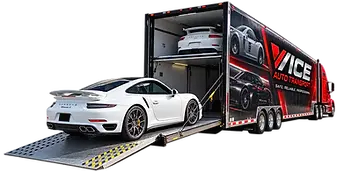
Enclosed transport costs more and has fewer trucks available, but it can make sense for a classic car, exotic vehicle, high-value luxury vehicle, or a vehicle with low ground clearance. It is a protection and availability decision, not something every vehicle needs. If your dates are tight, ask early because enclosed carrier capacity can be more limited on certain routes.
Timing: Give Yourself a Window, Not a Single Date
Ideally, request pricing as soon as you have a reasonably firm destination and reporting timeline. Booking early gives you time to compare options, confirm your documentation, and avoid making a rushed decision after household goods, travel, and housing tasks pile up.
That said, an early inquiry does not mean a truck is assigned months in advance. Carrier dispatch is a live market. A practical plan is to set a pickup window that begins before your travel date and allows room for the vehicle to be loaded, moved, and delivered without forcing everyone into an unrealistic promise.
If you are leaving base housing or an apartment on a specific day, tell the transport coordinator immediately. The truck may not be able to access a military installation, narrow residential street, gated community, or low-clearance area. In those cases, the driver may arrange a nearby meeting point such as a large shopping center, truck stop, or open parking lot. That is normal, and it often makes loading safer and faster.
Do not plan around a guaranteed delivery day unless a carrier has specifically confirmed a service option that supports it. Even then, leave a little breathing room. The most reliable PCS plans account for the fact that vehicle transport is a coordinated route with multiple pickups and deliveries, not a dedicated tow truck driving straight from one driveway to another.
Prepare the Vehicle Before Pickup
A few minutes of preparation can prevent avoidable confusion at delivery. Before the carrier arrives, take clear, date-stamped photos from all sides of the vehicle, including wheels, glass, roof, and existing blemishes. The driver will also complete a condition report, commonly called a bill of lading, at pickup and delivery. Read it, compare it with the vehicle, and keep a copy.
Use this short pre-shipment checklist:
Remove personal items, valuables, toll tags, loose accessories, and aftermarket items that could be damaged or misplaced.
Leave the vehicle operable unless it was quoted as non-running, and make sure the battery is charged and tires are properly inflated.
Keep roughly a quarter tank of fuel, which is enough for loading while avoiding unnecessary weight.
Have a working key available and provide any special starting, alarm, or low-clearance instructions before dispatch.
Customers sometimes ask if they can pack the car with PCS belongings. It is usually better not to. Household goods can shift, create visibility or weight issues, and may not be covered by the carrier's cargo insurance. Some carriers may permit a limited amount of personal items under specific conditions, but that is not something to assume. Discuss it before booking, not when the truck arrives.
Insurance and the Delivery Inspection
Reputable carriers carry cargo insurance, but customers should understand what that means in practice. Ask for the carrier's insurance information and confirm how claims are handled if damage occurs. Insurance is there for a reason, but it does not eliminate the need for a careful inspection.
At delivery, inspect the vehicle before signing the final bill of lading whenever possible. Look in good light, use the pickup photos, and note any new damage on the paperwork before the driver leaves. If delivery happens after dark or in bad weather, ask to inspect under better lighting if the situation allows. Documentation made at delivery is far stronger than trying to recreate a concern days later.
Mechanical problems unrelated to transport, pre-existing damage, normal road grime on an open trailer, and items left inside the vehicle are different from documented transport damage. Clear records help everyone handle the issue fairly.
Choose Communication Over Cheap Promises
PCS moves have enough uncertainty without chasing updates from a company that only responds after several days. Ask how pickup timing is communicated, when you will receive carrier details, who to contact after dispatch, and what happens if your orders or housing plans change. Those answers tell you more than a flashy quote form.
At Vice Auto Transport, the approach is to explain the real options, coordinate with the assigned carrier, and keep customers updated rather than overselling a date that transportation conditions cannot support. That hands-on communication matters when you are coordinating a move from hundreds or thousands of miles away.
A well-planned vehicle shipment will not remove every moving-day variable, but it can remove a long, exhausting drive from the equation. Give yourself time, document the vehicle, keep expectations realistic, and choose people who will answer the phone when your PCS plans change. Let Vice Auto Transport handle the miles while you focus on getting settled at your next duty station.


Comments