.png)


Shipping a Car From California to PA, NJ, MD, VA

Shipping a car from California to PA, NJ, MD, VA is not a one-size-fits-all move. A Los Angeles pickup headed to Philadelphia has different carrier availability than a vehicle leaving San Diego for rural Virginia. The distance is similar, but the pickup address, delivery flexibility, vehicle type, and time of year can all change the price and schedule.
For most customers, this is a coast-to-coast shipment of roughly 2,500 to 3,000 miles. It is a common route, which helps, but it still needs to be priced and scheduled realistically. The right transport plan is less about finding the lowest number online and more about putting your vehicle in front of a properly insured carrier at a rate that makes sense for the lane.
What California-to-the-Mid-Atlantic Car Shipping Usually Looks Like
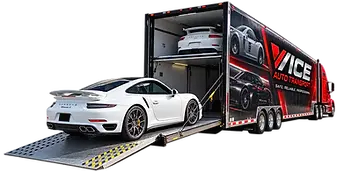
Most vehicles traveling from California to Pennsylvania, New Jersey, Maryland, or Virginia move on an open multi-car carrier. These are the familiar double-decker trucks that haul several vehicles at once. Open transport is the practical choice for daily drivers, standard SUVs, dealer inventory, and most online vehicle purchases because it is widely available and costs less than enclosed shipping.
Enclosed transport is worth considering for classics, exotics, low-clearance vehicles, high-value luxury cars, or a vehicle with a finish you want protected from road debris and weather. It costs more and can have fewer available trucks on certain dates, but it provides a more protected environment during a long cross-country trip.
Door-to-door service means the carrier aims to pick up and deliver as close to your addresses as it can safely and legally reach. That does not always mean the truck can enter every neighborhood. Cul-de-sacs, narrow residential streets, low branches, tight apartment entrances, and urban parking restrictions may require meeting the driver at a nearby shopping center, wide street, or truck stop. That is normal and is often the safest option for everyone involved.
What Determines the Price?
There is no responsible flat rate for every California-to-East-Coast shipment. The vehicle’s route matters, but so do the details around it. A sedan running from a major California metro area to northern New Jersey may be easier to assign than a lifted truck going from a remote inland California town to a rural Maryland address.
The main pricing factors are the exact pickup and delivery ZIP codes, the vehicle’s size and condition, the requested dates, the transport type, and current carrier demand. A running compact car is simpler to load than a non-running SUV. An inoperable vehicle generally requires a winch-capable carrier and enough room at both locations for loading, which adds cost.
Timing has a major effect as well. Summer moves, end-of-year relocations, snowbird traffic, and periods around holidays can tighten truck availability. Fuel costs and weather can also affect what carriers are willing to accept. California traffic and dense Northeast delivery areas can require extra patience even when the overall route has good volume.
Be careful with quotes that are dramatically lower than the rest. A low quote can be an estimate based on a rate carriers are unlikely to accept. When that happens, a listing may sit without a truck assigned until the customer agrees to raise the price. A realistic quote is not always the cheapest quote, but it gives the shipment a better chance of being dispatched without last-minute surprises.
Why flexibility can save money
If your pickup date is flexible by a few days and you can accept delivery within a reasonable window, carriers have more room to build an efficient route. That can help with pricing and assignment. If you need a pickup on one specific day or delivery before a hard deadline, say so upfront. Expedited service may be possible, but it usually costs more and depends on actual truck availability.
How Long Does Transport Take From California?
Once your car is picked up, California to PA, NJ, MD, or VA commonly takes about seven to 10 days in transit. Some trips move faster; others take longer due to weather, traffic, mechanical issues, required driver rest periods, carrier routing, or deliveries ahead of yours.
Pickup timing should be treated separately from transit time. A carrier may be available quickly on a busy route, while other times of year require several days or more to find the right truck. No honest broker or carrier should promise an exact pickup or delivery time before a specific carrier is assigned and the route is underway.
The most useful approach is to plan ahead where possible and communicate any immovable dates. If you are flying out of California, closing on a home, reporting to a new job, or coordinating with a dealership, build in a little margin rather than arranging transport around an overly tight timeline.
Preparing Your Vehicle for Pickup
A few simple steps make pickup easier and protect you if a question comes up at delivery. Wash the vehicle enough for its condition to be visible, then take dated photos from all sides. Include close-ups of existing scratches, dents, bumper marks, wheel damage, and windshield chips.
Remove personal belongings, toll tags, loose accessories, and anything that could move around inside the car. Carriers are transporting the vehicle, not household goods. A small amount of personal property may sometimes be allowed at the carrier’s discretion, but it is not covered under the carrier’s cargo insurance and can create weight or inspection issues. The safest choice is to ship the car empty.
Keep the fuel level at around a quarter tank. Confirm that the battery is charged, tires are properly inflated, and the vehicle can start, steer, and brake unless it has been booked as non-running. Let the transport coordinator know about modifications, low ground clearance, oversized tires, roof racks, leaks, alarms, or mechanical concerns before dispatching. Details that seem minor can affect the truck needed and the loading plan.
Insurance, Inspections, and the Bill of Lading
The driver will inspect the vehicle at pickup and document its condition on a bill of lading. Review that inspection with the driver before the car is loaded. At delivery, inspect the vehicle again before signing the final paperwork. This is the time to note any new damage, if present, and take clear photos.
Properly insured carriers carry cargo coverage, but customers should still understand the process. Insurance claims depend on documentation, the carrier’s policy, and the condition recorded at pickup and delivery. That is why photos and a careful bill of lading matter. They are not busywork - they are the record of the vehicle’s condition.
Ask whether the assigned carrier is active, properly insured, and appropriate for your vehicle. If you are shipping a collectible, an exotic, or a particularly valuable vehicle, discuss enclosed transport and any additional protection options before booking. The cheapest open-carrier quote is not automatically the right fit for every car.
Buying From a Dealer, Private Seller, or Auction
California is a major source market for online vehicle buyers. If you bought a car from a dealership, private seller, Copart, IAA, or Manheim, transport coordination starts with making sure the release process is ready before the truck arrives.
Auction and storage locations may have specific pickup hours, gate procedures, loading rules, release documents, and storage deadlines. A car may also be inoperable, missing keys, or unable to roll. Those details need to be confirmed in advance so the carrier does not arrive unprepared or get turned away.
With a private seller, make sure someone is available to release the vehicle and sign the pickup inspection. With a dealer, confirm that the vehicle has been paid for, released, and not blocked in by other inventory. A little coordination before dispatch can prevent delays and unnecessary fees.
Choosing a Transport Partner
A broker’s job is to coordinate your shipment with a qualified carrier, set realistic expectations, and stay involved when timing or communication changes. That matters on a cross-country route, where a customer may be thousands of miles from both the vehicle and the driver.
Ask direct questions: What is included in the quote? Is the vehicle listed as running or non-running? Is the price realistic for the dates? When will carrier details be provided? What happens if the first carrier cannot make pickup? Clear answers are a better sign than a vague promise that everything will be handled.
Vice Auto Transport works this way: with real people coordinating carrier selection, pickup details, and updates rather than leaving customers to sort through automated messages. The goal is to give you an honest plan for the route, not a number that looks good until it is time to find a truck.
Your car does not need a perfect shipping experience on paper. It needs a realistic rate, a qualified carrier, accurate vehicle details, and enough communication to keep you informed. Plan early when you can, document the car at both ends, and let Vice Auto Transport handle the miles.


Comments