.png)


Shipping a Car From Seattle, WA to NJ, NY, MA, PA, MD

Shipping a Car From Seattle to New Jersey, New York, Massachusetts, Pennsylvania or Maryland
Shipping a car from Seattle to New Jersey, New York, Massachusetts, Pennsylvania, or Maryland is a true cross-country move, usually covering roughly 2,700 to 3,000 miles depending on the final delivery location.
These routes are common for relocations, online vehicle purchases, college moves, military transfers, dealer inventory, and customers moving a vehicle between the Pacific Northwest and Northeast.
They are also routes where realistic expectations matter more than a quote that simply looks good on a screen.
Seattle is an active vehicle-shipping market, while New Jersey, New York, Massachusetts, Pennsylvania, and Maryland all have major population centers and established transportation corridors.
That gives carriers options, but a Seattle-to-Northeast shipment still needs the right price, enough scheduling flexibility, and pickup and delivery locations that work for a large auto transport trailer.
At Vice Auto Transport, we coordinate cross-country vehicle shipping with a focus on realistic pricing, properly vetted carriers, and live support from transport professionals you can actually reach throughout the process.
What Does It Cost to Ship a Car From Seattle to the Northeast?
There is no single responsible rate for every Seattle-to-Northeast vehicle shipment.
The exact price depends on the vehicle, requested dates, open or enclosed transport, current carrier demand, fuel costs, and how accessible the pickup and delivery locations are.
A standard running sedan moving from Seattle to Newark, New Jersey may price differently from a full-size pickup traveling from Tacoma to Philadelphia or an SUV being delivered from Bellevue to a rural area of Maryland.
Larger SUVs, pickup trucks, oversized vehicles, heavy EVs, modified vehicles, and vehicles that do not run can cost more because they require additional trailer space, weight capacity, equipment, or loading time.
Why the Exact Northeast Destination Matters
New Jersey and eastern Pennsylvania are often attractive Northeast delivery markets because of their proximity to major highways, population centers, dealerships, auctions, and other potential vehicle loads.
Maryland can be similarly favorable, particularly around Baltimore and the I-95 corridor.
New York can vary significantly.
A Seattle-to-Buffalo shipment is a very different routing decision from Seattle to Long Island or a delivery near New York City. Dense urban areas may also require the customer to meet the carrier at a nearby location that provides enough room for safe unloading.
Massachusetts has similar differences. A Seattle-to-Boston shipment places the carrier in a major population center, while a delivery farther from the primary interstate network can require additional mileage.
That's why we ask for actual pickup and delivery ZIP codes rather than pricing a shipment based only on the states involved.
Be Careful With Quotes That Are Far Below the Market
The lowest quote is not automatically the lowest final cost.
Auto transport is market-driven. A broker needs to offer the shipment at a rate that makes sense to a properly insured carrier traveling the route.
If a shipment is priced substantially below what carriers are accepting, drivers may simply pass over it.
The customer can then be left waiting while being told that a truck is still being located, only to receive a higher price when the pickup date gets closer.
That does not mean the highest quote is automatically the best one either.
A useful quote should reflect the vehicle, route, timing, transport type, and current carrier market, with a straightforward explanation of what could cause the rate to change.
How Diesel Prices Affect Seattle-to-East-Coast Shipping Rates
Fuel costs become increasingly important when a carrier is traveling nearly 3,000 miles across the country.
Auto transport trucks consume a substantial amount of diesel, and carriers have to account for those operating costs when deciding which vehicles and routes make financial sense.
You may not see a separate fuel surcharge on your quote. Changes in diesel prices are often reflected in the overall carrier rate instead.
Fuel is still only one part of transportation pricing. Vehicle size, trailer type, seasonality, route demand, pickup and delivery locations, and carrier availability also matter.
But on a route as long as Seattle to the Northeast, changes in diesel costs can have a meaningful effect on the carrier market.
We explain the relationship in more detail in How Rising Diesel Prices Affect Auto Transport Costs.
How Long Does It Take to Ship a Car From Seattle to NJ, NY, MA, PA or MD?
Once the vehicle is picked up, Seattle-to-Northeast auto transport commonly takes approximately seven to 10 days in transit.
Some shipments move faster. Others take longer because of weather, traffic, mechanical issues, required driver rest periods, carrier routing, or deliveries scheduled ahead of yours.
Pickup timing should be treated separately from transit time.
A Seattle-to-Newark shipment may find carrier capacity relatively quickly during one part of the year, while a Tacoma-to-Baltimore or Bellevue-to-Boston shipment may require additional time depending on the available trucks and other vehicles moving along the route.
No responsible broker or carrier should promise an exact pickup or delivery time far in advance.
What we can do is establish a realistic pickup window, confirm the details once a specific carrier is assigned, and keep communication active as the shipment progresses.
If you need the vehicle for a flight, home closing, college move-in, military reporting date, or new job, tell us at the beginning and build in some buffer where possible.
Booking ahead helps, but scheduling flexibility remains one of the best ways to improve carrier options without paying unnecessarily for an extremely narrow window.
Door-to-Door Does Not Always Mean Curb-to-Curb
Door-to-door auto transport means the carrier gets as close to your requested pickup and delivery locations as it can safely and legally reach.
It does not mean a 75-foot auto transport truck can always pull directly in front of the house.
This can be particularly relevant around Seattle, where residential streets can be narrow, steep, or difficult for a large truck.
The same issue appears throughout the Northeast.
Dense neighborhoods in northern New Jersey, New York City, Long Island, Philadelphia, Baltimore, and Boston can have parking restrictions, narrow streets, low branches, tight turns, or limited loading space.
In those situations, the driver may ask to meet at a nearby wide street, shopping center, truck-friendly parking lot, or another safe location.
That is normal transportation planning, not a reduction in service.
A vehicle moving from Seattle to Newark may have a very different final-mile delivery than one going from Tacoma to suburban Philadelphia, Bellevue to Baltimore, or Seattle to Boston.
Providing the actual ZIP codes allows us to identify potential access issues before the carrier arrives.
Open vs. Enclosed Transport From Seattle to the Northeast
Most vehicles shipped from Washington to the Northeast travel on open multi-car carriers.
Open transport is practical for everyday cars, family SUVs, pickup trucks, dealership transfers, relocations, and many auction or online vehicle purchases.
The vehicle is secured to the trailer but remains exposed to normal highway weather, dust, and road conditions.
For most daily drivers, open transport provides the best balance between cost and carrier availability.
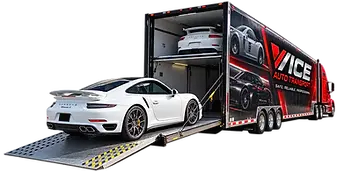
Enclosed transport places the vehicle inside a covered trailer and provides additional protection from weather, road grime, and airborne debris.
It is commonly chosen for collector cars, exotic vehicles, high-value luxury cars, low-clearance vehicles, restored cars, and vehicles with finishes an owner wants to protect during a nearly 3,000-mile trip.
Enclosed transportation costs more and uses a smaller carrier pool, so availability may be more limited on certain dates.
For most customers, the decision comes down to the vehicle's value, condition, rarity, and the owner's comfort with normal road exposure.
A well-maintained daily driver traveling from Seattle to New Jersey will usually do perfectly well on an open carrier. A rare collector car being shipped from Bellevue to Boston may justify the additional protection and specialized loading options available with enclosed service.
For a deeper comparison, read our guide on whether enclosed auto transport is worth it for your car.
Weather and Seasonal Timing Across the Northern United States
A Seattle-to-Northeast carrier can encounter dramatically different conditions during one trip.
Depending on the carrier's route and the time of year, the truck may encounter heavy rain, strong winds, mountain weather, freezing temperatures, snow, or ice while crossing the country.
Winter conditions can affect both open and enclosed transportation.
An enclosed trailer protects the vehicle from much of the direct weather exposure and road spray, but it cannot prevent delays caused by unsafe roads, closures, or severe storms.
Summer can bring a different challenge.
Relocations, college moves, military transfers, vacations, and general vehicle-shipping demand can tighten carrier capacity during busy periods.
The best approach is realistic scheduling rather than a delivery guarantee that ignores what can happen over nearly 3,000 miles of highway.
Preparing Your Vehicle for Pickup
Vehicle preparation is simple, but it protects you and makes loading easier.
Wash the exterior enough for the vehicle's current condition to be visible, then take clear, dated photographs from multiple angles.
Photograph the wheels, windshield, bumpers, roof, and any existing scratches, dents, chips, or cosmetic damage.
The carrier will also complete a condition inspection at pickup and document it on the Bill of Lading.
Remove unnecessary personal belongings, loose accessories, toll tags, and valuables.
Auto carriers are transporting the vehicle, not household goods. Some drivers may allow a limited amount of personal property at their discretion, but those belongings generally are not covered by the carrier's cargo insurance and additional weight can create problems.
The safest option is to ship the vehicle empty.
Keep the fuel level at approximately one-quarter tank.
Make sure the battery is charged, tires are properly inflated, and the vehicle can start, roll, steer, and brake unless it has been booked as an inoperable vehicle.
Tell your transport coordinator about fluid leaks, warning lights, low ground clearance, oversized tires, lift kits, roof racks, aftermarket modifications, or mechanical concerns before a carrier is dispatched.
Those details can affect the equipment required for safe loading.
Shipping an Auction, Non-Running or Online-Purchase Vehicle
Seattle-area auction and private-party pickups can require more coordination than a normal residential shipment.
A carrier may need a release number, lot number, buyer information, gate hours, and storage deadline before pickup can take place.
If the vehicle is at Copart, IAA, Manheim, or another auction facility, have those details available before dispatch.
A non-running vehicle can still be transported, but its actual condition needs to be accurately described.
A car that does not start but still rolls, steers, and brakes is much easier to load than a collision-damaged vehicle with locked wheels, missing tires, or damaged suspension.
If winching, forklift assistance, or other special handling is required, the carrier needs to know before accepting the shipment.
Surprises at an auction yard are one of the fastest ways to create delays, failed pickups, and additional charges.
Online buyers should also confirm that the seller has a clear pickup process.
Know where the keys are, when the vehicle can be released, who can meet the driver, and whether any paperwork or authorization is required before pickup.
A great transportation plan cannot overcome a vehicle that is not actually available when the carrier arrives.
Live Support From Dedicated Auto Transport Professionals
A vehicle traveling nearly 3,000 miles across the country should not leave you wondering who to contact when you need an update.
Vice Auto Transport puts a strong emphasis on live support from dedicated transport professionals.
When you work with us, you can call or text an actual person who understands your shipment and can help with carrier coordination, pickup questions, schedule changes, delivery arrangements, or concerns along the way.
If your Seattle pickup contact changes, a dealership delays the release, weather affects the carrier's route, or a truck cannot safely reach the original Northeast delivery address, you have someone to contact.
Technology makes quoting and communication faster, but it should not replace experienced people when a shipment needs attention.
Real reviews, real people answering the phones, we're here to help, no worries.
Choosing a Seattle-to-Northeast Auto Transport Broker
An auto transport broker coordinates your shipment with a motor carrier that has the appropriate operating authority and insurance documentation for the move.
That gives customers access to a much larger network of trucks than relying on a single carrier's schedule.
But service quality still depends on how realistically the shipment is priced, how carefully the carrier is evaluated, and how well communication is handled.
Ask direct questions before booking.
Is the quoted price realistic for the current market? Is the vehicle correctly listed as running or non-running? What pickup window should you expect? When will you receive the assigned carrier's information? What happens if circumstances change?
You should receive straightforward answers.
At Vice Auto Transport, our goal is to explain the process in plain English and keep customers informed from pickup coordination through delivery.
Whether you're shipping from Seattle to Newark, Tacoma to Philadelphia, Bellevue to Baltimore, Seattle to Boston, or another location in Washington to New Jersey, New York, Massachusetts, Pennsylvania, or Maryland, the fundamentals remain the same: accurate information, realistic pricing, the right carrier, and reliable communication.
Ready to Ship a Car From Seattle to the Northeast?
Start with the actual pickup and delivery ZIP codes, vehicle year, make and model, running condition, and the dates you can work with.
From there, we can help you evaluate current carrier options and build a realistic pickup plan.
Whether you're relocating, purchasing a vehicle online, sending a car to college, moving for military service, or transporting a vehicle between coasts, Vice Auto Transport can help coordinate the trip.
Call: 1-800-541-0696
Text: 754-800-4112
Vice Auto Transport — Let Us Handle the Miles.


Comments