.png)


Open Versus Enclosed Car Shipping Explained

A $7,000 daily driver and a freshly restored $120,000 classic do not need the same shipping plan. That is the real answer to open versus enclosed car shipping: neither option is automatically better. The right choice depends on your vehicle, your route, your budget, your schedule, and how much exposure you are comfortable accepting during transit.
Most vehicles shipped across the country travel on open carriers. They are the familiar multi-car trailers you see on the highway, and they are a practical fit for many customer vehicles. Enclosed transport provides a covered trailer and an added layer of protection, but it also costs more and can have fewer available trucks on a given route.
The goal is not to upsell you into enclosed shipping when open transport makes sense. It is to help you understand what you are paying for before a carrier is assigned.
Open Versus Enclosed Car Shipping: The Core Difference
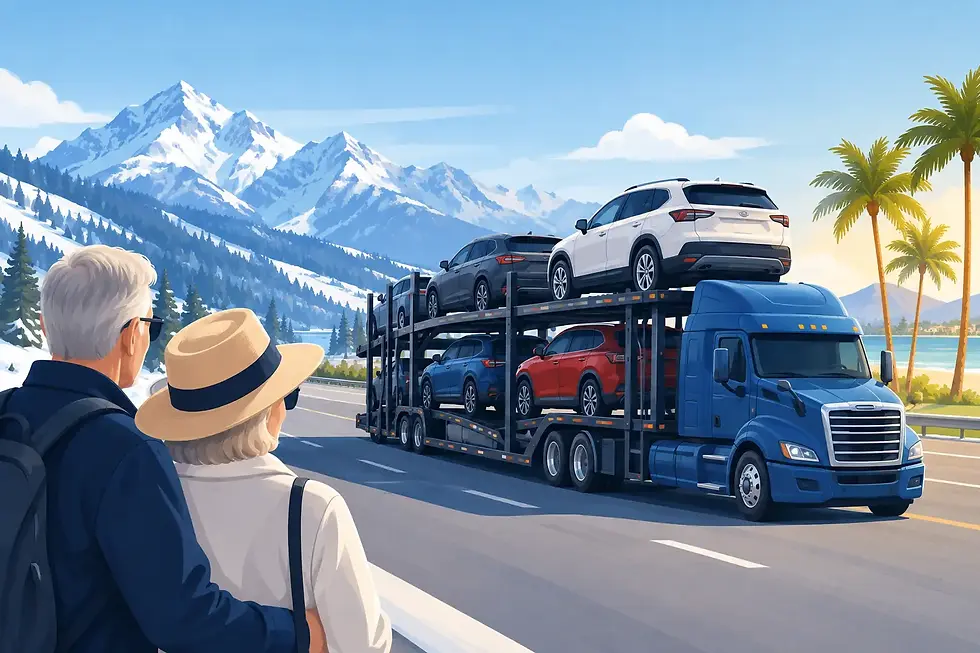
Open transport means the vehicle rides on an exposed trailer, typically with several other vehicles. It is the standard option for dealerships, online buyers, relocations, snowbird moves, and everyday cars. Because more open carriers run nationwide and can haul more vehicles per load, open shipping usually offers more carrier availability and a lower price.
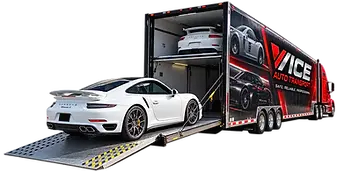
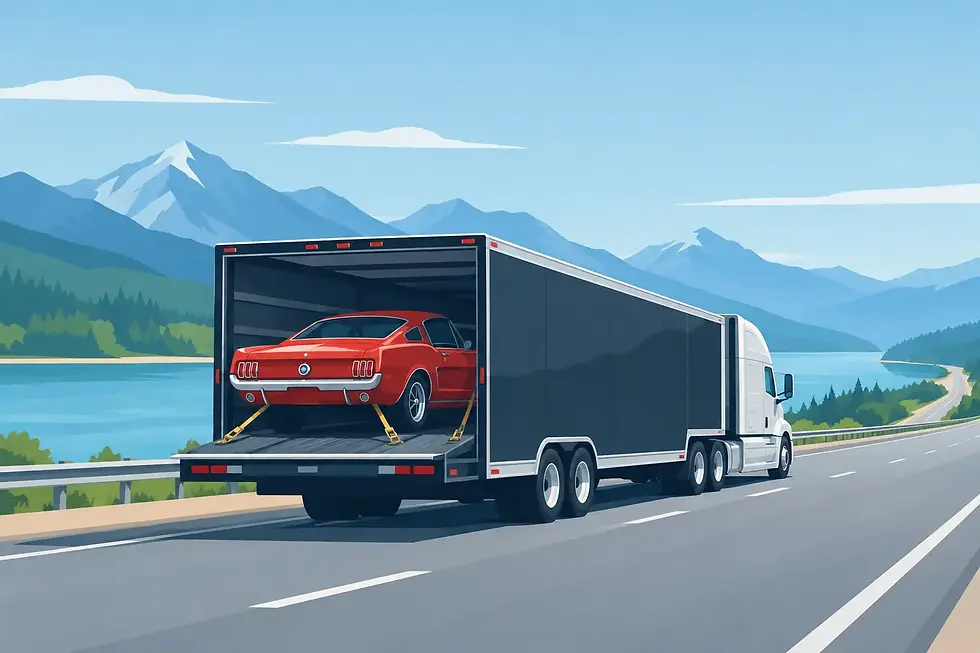
Enclosed transport places the vehicle inside a covered trailer. Depending on the equipment, an enclosed carrier may hold anywhere from two to seven vehicles, though capacity varies. The trailer protects the vehicle from road debris, weather, dirt, and the normal elements encountered on a long interstate trip.
Both options should involve a properly insured carrier and a condition report at pickup and delivery. Enclosed shipping reduces exposure, but it does not make a shipment risk-free. Careful loading, clear communication, and an accurate inspection still matter.
When Open Transport Is the Smart Choice
For most late-model daily drivers, SUVs, pickup trucks, and standard used-car purchases, open shipping is usually the sensible call. It gets the vehicle from Point A to Point B without paying for protection the vehicle may not truly need.
A customer buying a used Honda in Texas and sending it to Florida, for example, will often get better value from an open carrier. The car is designed to live outside every day, and the cost difference can be meaningful on a long route. The same goes for a family relocating from the Midwest to the Southeast with a normal commuter vehicle.
Open transport also tends to give you more scheduling flexibility. More trucks run major lanes such as California to Texas, Florida to the Northeast, and Midwest-to-Florida snowbird routes. That does not mean a truck is always available immediately, especially during busy seasons or on rural routes. It does mean there is generally a larger pool of carriers to work with.
Open shipping is also common for auction vehicles, including Copart, IAA, and Manheim purchases. If the vehicle is non-running, has auction storage deadlines, or needs a winch, those requirements can affect price and carrier availability more than whether the trailer is open or enclosed. Be upfront about the vehicle's condition. A carrier arriving for a "runs and drives" vehicle that will not start creates delays nobody wants.
What Open Transport Exposes Your Vehicle To
The practical downside is exposure. Your vehicle may encounter rain, dust, bugs, road grime, and small amounts of debris during the trip. These are usually cosmetic issues that wash off, but they are not imaginary concerns. A car on an open trailer is also visible to the public, which some owners of rare or high-value vehicles prefer to avoid.
There is another consideration: position on the trailer. A vehicle on the upper deck may receive more weather exposure. A vehicle below another car can potentially be exposed to dripping fluids, although reputable carriers inspect their equipment and load carefully to avoid problems. You can request a preferred position, but it is a request, not something that should be promised before the actual carrier and load plan are known.
When Enclosed Shipping Earns Its Higher Price
Enclosed transport is often worth the additional cost when the vehicle's condition, value, or purpose makes outside exposure unacceptable. Classic cars, exotics, collector vehicles, high-end luxury models, race cars, custom builds, and newly restored vehicles are common enclosed candidates.
It can also make sense for a vehicle with a very low front splitter, limited ground clearance, or specialty loading needs. Many enclosed carriers use lift gates or specialized ramps that may be safer for low-profile vehicles than a standard open trailer. Not every enclosed trailer has the same equipment, so this should be discussed before booking.
Think about a buyer who just purchased a collector Porsche at an out-of-state dealer. The car may be perfectly capable of driving in rain, but the buyer is paying to preserve its condition and avoid unnecessary exposure before it reaches the garage. That is a reasonable use of enclosed transport.
Enclosed shipping can be a good fit for certain long-distance moves as well. A vehicle traveling coast to coast in winter may face snow, salt spray, rain, and thousands of miles of road conditions. If keeping the exterior pristine is a priority, the premium can feel justified.
Why Enclosed Availability Can Be Different
Enclosed trucks are more specialized, carry fewer vehicles, and may not run every route as frequently as open carriers. On popular metropolitan routes, finding an enclosed option may be straightforward. For a pickup in a remote area, a specific date window, or an unusual vehicle, it may require more lead time or a higher rate.
That does not mean enclosed transport is unreliable. It means the market is smaller. A realistic quote accounts for where the vehicle is located, where it is going, the time of year, the vehicle dimensions, and the type of equipment required. A suspiciously low enclosed quote can sit unassigned if it does not pay enough for a qualified carrier to accept the job.
The Cost Difference: What You Are Actually Paying For
Enclosed shipping commonly costs more than open transport, sometimes significantly more. The exact gap changes by route and market conditions, but the reason is straightforward: enclosed equipment has fewer spaces, higher operating costs, and a more specialized service profile.
Price should never be the only factor. A low quote that cannot attract a carrier is not a bargain if your pickup needs to happen before a relocation date, auction deadline, or dealership closing. On the other hand, paying for enclosed service on a standard sedan simply because it sounds safer may not be necessary.
The most useful question is this: if the vehicle arrived with road dust or needed a wash, would that be an acceptable trade-off for the savings? If the answer is yes, open transport is probably appropriate. If even minor outside exposure would bother you, enclosed may be worth it.
Insurance and Inspections Matter on Both Options
Customers often assume enclosed transport automatically comes with better insurance. Sometimes an enclosed carrier does carry a higher cargo policy limit because it hauls higher-value vehicles, but that is not a universal rule. Coverage should be verified for the specific carrier assigned to your shipment, not assumed based on trailer type.
Before pickup, remove personal belongings, photograph the vehicle from several angles, and note existing damage. At pickup, the driver documents the condition on a bill of lading. Review it before signing. Do the same at delivery before the driver leaves.
Personal items deserve a special mention. Vehicle carriers are generally not household movers, and belongings inside the car may not be covered by cargo insurance. A small, properly secured amount may be allowed by some carriers, but extra weight and visible items can create problems. Ask before loading anything into the vehicle.
How to Choose Without Overthinking It
Start with the vehicle itself. A standard commuter car, auction purchase, or family SUV usually belongs on an open trailer. A collector car, exotic, restored classic, or delicate custom vehicle often belongs in an enclosed trailer.
Then look at the route and timing. Open transport may offer more options on a tight schedule, while enclosed service may require a wider pickup window, especially outside major cities. Finally, decide what matters more: lower cost or reduced exposure.
There is no shame in choosing open transport for a valuable vehicle if the budget calls for it, and no need to justify enclosed transport if peace of mind matters to you. The right plan is the one that matches the car and your expectations.
At Vice Auto Transport, we help customers compare the real-world options, explain the carrier market, and coordinate the details without pretending every shipment is identical. Text the pickup and delivery zip codes, vehicle year, make, model, and whether it runs, and we can talk through which option makes sense. Let Vice Auto Transport handle the miles while you choose the level of protection that feels right for your vehicle.

Comments