.png)


Ship a Car or Truck: Texas to Arizona or California

A Texas-to-the-West-Coast move can look simple on a map, but the details matter. If you are figuring out how to ship a car or truck from Texas to Arizona or California, the right plan depends on your exact cities, vehicle size, timing, condition, and whether you need open or enclosed transport. Houston to Phoenix is a very different shipment from a lifted truck leaving El Paso for a home in Northern California.
The good news is that Texas, Arizona, and California are active auto transport markets. Carriers regularly run these lanes, especially between major metro areas. The key is setting realistic expectations on price and pickup timing, then working with a properly insured carrier that fits the vehicle and route.
How to Ship a Car or Truck From Texas to Arizona or California
Start with the basics: provide the pickup and delivery ZIP codes, year, make, model, and whether the vehicle runs and steers normally. Also mention anything that changes the load requirements, such as oversized tires, a lift kit, low ground clearance, inoperable status, or personal items inside the vehicle.
A transport specialist can use that information to arrange a carrier through the national auto transport network. Vice Auto Transport is a broker, which means we coordinate the shipment with an available motor carrier rather than claiming to own the truck that picks up your vehicle. That matters because the right carrier may depend on the dates, route, equipment, and vehicle type.
Once a carrier accepts the shipment, you will receive pickup coordination details. The driver usually calls ahead as the truck gets closer. At pickup, you and the driver inspect the vehicle and document its condition on a bill of lading. The same process happens at delivery. Take your own photos before pickup as well, especially of existing scratches, dents, wheels, glass, and lower body panels.
Choose Open or Enclosed Transport
Open transport is the standard choice for most daily drivers, SUVs, pickups, dealer inventory, and auction purchases. Your vehicle rides on an open multi-car trailer, the type commonly seen delivering new cars to dealerships. It is usually the more economical option and has the most carrier availability on Texas, Arizona, and California routes.
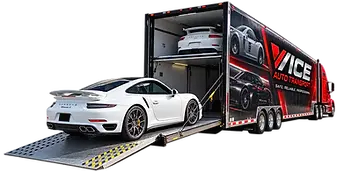
Enclosed transport places the vehicle inside a covered trailer. It costs more, but it provides additional protection from weather, road debris, and exposure during the trip. Enclosed shipping makes sense for classics, exotics, low-clearance vehicles, high-value luxury cars, or a vehicle you simply want handled with that extra level of care.
For standard sedans and crossovers, open transport is often the practical answer. For a restored classic headed from Dallas to Scottsdale or a collector vehicle going from Austin to Southern California, enclosed transport may be worth the added cost. There is no single right answer - it depends on the vehicle, budget, and your comfort level with normal road exposure.
What Affects the Cost?
Rates are not based only on miles. Distance is a major factor, but carrier supply, fuel costs, route demand, vehicle size, and the dates you need all influence pricing. A compact car moving from San Antonio to Tucson is easier to place than a long-wheelbase heavy-duty pickup going from a rural Texas town to a remote California address.
California routes can vary widely. Southern California, especially the Los Angeles, Orange County, San Diego, and Inland Empire areas, has strong carrier traffic. Major Arizona markets such as Phoenix, Tucson, Mesa, and Scottsdale are also common stops. Service is generally easier between large metro areas than between two rural locations, where a carrier may need to make a longer detour.
Trucks deserve special attention. A stock half-ton pickup usually ships without issue, but lifted trucks, oversized tires, aftermarket bumpers, roof racks, and toolboxes can affect the trailer space required. Share accurate dimensions and modifications upfront. Trying to place an oversized truck at a standard-car rate can lead to delays or a last-minute pricing problem when the driver arrives.
Be cautious with quotes that are dramatically lower than every other estimate. In auto transport, a low number is not useful if it does not attract a carrier. A realistic price gives the shipment a better chance of being accepted and picked up within the expected window. The goal is not just to post a vehicle for transport. It is to get it moved.
Plan Around Pickup and Delivery Windows
Car shipping is scheduled in pickup windows, not exact appointment times. Traffic, weather, vehicle loading, hours-of-service rules, and other deliveries can all change a driver's daily schedule. A carrier may reach a Texas pickup earlier or later than initially expected, and delivery timing can shift for the same reasons.
Most Texas-to-Arizona moves are shorter than Texas-to-California trips, but the exact timeline depends on where the vehicle starts and ends. El Paso to Phoenix is a relatively direct run. Houston to the Bay Area or the Sacramento region involves more miles and often more scheduling variables. A flexible pickup window normally creates more options than a shipment that must load at one specific hour.
If you are buying at Copart, IAA, Manheim, or another auction, act quickly after the vehicle is released. Auctions may charge storage fees if a vehicle sits too long, and some yards have specific pickup rules. Provide the lot number, buyer number if required, release status, vehicle condition, and any gate or loading instructions. If the car does not run, the carrier needs to know before accepting the load.
Prepare the Vehicle Before the Driver Arrives
Preparation is simple, but it prevents avoidable problems. Remove personal belongings, toll tags, loose accessories, and valuable items from the vehicle. Auto carriers are transporting the vehicle, not household goods, and personal items can create weight, damage, and coverage issues. A small amount of factory-installed emergency equipment is fine, but avoid using the car as a moving box.
Leave roughly a quarter tank of fuel. That is enough for loading and unloading without adding unnecessary weight. Make sure the battery is charged, tires are inflated, and there are no undisclosed leaks. If the vehicle has an alarm, disable it or provide clear instructions. For inoperable vehicles, explain whether it rolls, steers, and brakes, because those details determine what equipment the driver needs.
Pickup from a residence is often possible, but large car carriers may not fit on narrow streets, cul-de-sacs, apartment complexes, or areas with low-hanging trees. In that case, the driver may suggest a nearby wide street, shopping center, truck stop, or other safe meeting point. That is normal and often protects your vehicle, the trailer, and your neighborhood from a difficult maneuver.
Check Carrier Insurance and Document Condition
A legitimate carrier should have active cargo insurance and the appropriate operating authority. Before pickup, ask how the insurance process works and keep a copy of your shipping paperwork. The bill of lading is especially important because it records the vehicle's condition at pickup and delivery.
No transport method is completely risk-free. Road conditions, weather, mechanical issues, and the realities of loading multiple vehicles can create the possibility of a problem. What matters is clear documentation, properly insured carriers, and responsive communication if something needs attention. Do not rush through the inspection just because the driver is on a schedule. Walk around the vehicle, compare it to the pickup report, and note concerns before signing at delivery.
A Better Way to Book the Route
Get your quote early, especially if you need enclosed shipping, are moving during a busy season, or have a specialty truck. You do not necessarily need to book months ahead, but more lead time gives you more flexibility. Be honest about your dates and vehicle condition, and ask whether the quoted amount reflects current carrier availability rather than a number designed only to win the booking.
The best shipment is usually not the one with the lowest initial quote. It is the one arranged with accurate vehicle details, a realistic rate, a qualified carrier, and someone who answers the phone when the plan changes. Whether your vehicle is leaving Texas for Arizona's desert roads or California's coast, a little preparation makes the entire trip easier. Let Vice Auto Transport handle the miles while you focus on what waits at the other end.


Comments