.png)


Shipping A Car from Atlanta Area to NJ, PA, NY, MA, CT

A move from metro Atlanta to the Northeast can put more than 800 miles between you and your vehicle. Shipping a car from the Atlanta area to NJ, PA, NY, MA, or CT is a well-traveled route, but the details still matter: the exact pickup and delivery ZIP codes, the season, your vehicle’s condition, and how flexible you can be with timing all affect the plan.
For most customers, door-to-door auto transport is the practical answer. A carrier picks up as close to your address as truck access allows and delivers near the final address, rather than asking you to drive the car to a terminal. The key is setting realistic expectations before the vehicle is loaded, especially when a quote seems unusually low or a promised pickup date sounds too precise.
Why the Atlanta-to-Northeast route is usually workable
Atlanta is a major vehicle-shipping market with strong access to interstate corridors, dealerships, auctions, and a large pool of carriers moving north and south. New Jersey, Pennsylvania, New York, Massachusetts, and Connecticut also have consistent demand. That combination generally creates better carrier interest than an uncommon rural-to-rural route.
Still, “Northeast” is not one destination. Delivery to suburban Philadelphia is different from delivery to Manhattan, coastal Massachusetts, or a narrow residential street in Connecticut. A full-size transport truck may not be able to safely turn around, clear low branches, or navigate street parking in dense areas. When that happens, the driver and customer typically arrange a nearby meeting point such as a wide shopping center, truck stop, or commuter lot.
That is not a failure of door-to-door service. It is how door-to-door works in the real world: as close as safely and legally possible. Customers who plan for that possibility usually have a much easier delivery experience.
What affects the cost of shipping from Atlanta to NJ, PA, NY, MA, or CT
There is no responsible flat price for every vehicle on this lane. The Atlanta metro area gives carriers options, but rates still move with equipment availability and the particulars of each shipment.
Distance is part of the equation. Pennsylvania and New Jersey are generally shorter runs from Atlanta than much of Massachusetts, while destinations in New York and Connecticut can vary widely depending on whether the vehicle is headed to a major metro area, Long Island, upstate, or a smaller town. But mileage alone does not determine the price.
Vehicle size and condition matter just as much. A compact sedan takes less trailer space and weight capacity than a large SUV or heavy-duty pickup. A vehicle that does not start, steer, roll, or brake normally requires extra coordination and often equipment such as a winch. Be upfront about the condition. A driver arriving for a vehicle described as running but unable to move can lose valuable time and may not have the equipment needed to load it.
Seasonality can also change the market. Snowbird traffic, winter weather, holiday periods, and periods of high auction volume can all tighten carrier availability. Shipping north in late fall and winter may involve weather-related delays or a higher demand for enclosed service, especially for collector vehicles. On the other hand, an open carrier remains the sensible choice for many everyday vehicles because it is typically more available and costs less.
The final factor is timing. A customer who can allow a reasonable pickup window gives a broker more opportunities to match the vehicle with a properly insured carrier at a fair market rate. If the car must move within a very narrow timeframe, the price may need to be more aggressive to attract a driver with space on the right route.
Open or enclosed transport?
Open transport is the standard option for daily drivers, dealer inventory, and most online vehicle purchases. Cars are loaded onto the same type of multi-car trailer you see on the highway. It offers dependable protection from normal road transport conditions, although the vehicle remains exposed to weather, road dust, and debris.
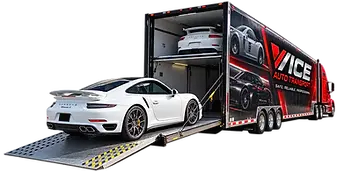
Enclosed transport places the vehicle inside a covered trailer. It is often the right call for classics, exotic cars, high-value luxury vehicles, freshly restored vehicles, and cars with very low ground clearance. Enclosed shipping costs more because enclosed trailers carry fewer vehicles and are less common on the road. It can also make sense for a customer who simply wants added protection during a winter move to New England.
Neither option is automatically right for every car. A clean, well-maintained family SUV may be a strong fit for open transport. A low-mileage collector car headed to a Connecticut garage may justify enclosed service. The best choice depends on the vehicle, the owner’s comfort level, and the budget.
Timing: what customers should realistically expect
A carrier’s transit time is not the same thing as the time between requesting a quote and having the vehicle delivered. Before pickup, a transport specialist needs to locate a carrier whose route, equipment, schedule, and available space match your shipment.
Once loaded, an Atlanta-to-Pennsylvania or New Jersey shipment may move faster than one going to Massachusetts, but drivers are managing multiple pickups and deliveries. Federal driving-hour rules, traffic, weather, vehicle inspections, and customer availability all affect the schedule. A driver may need to deliver another vehicle before reaching yours, even if the destination is nearby on a map.
For that reason, avoid booking a vehicle shipment around an immovable event if you can help it. If you are flying into New York on a certain day, closing on a home, or coordinating a college move, build in some flexibility. Ask how pickup and delivery updates will be handled, and make sure the carrier has the best phone number for both origin and destination contacts.
Preparing your vehicle for pickup
Preparation is straightforward, but skipping it can create avoidable issues. Remove personal belongings, especially valuable items, because auto carrier cargo insurance covers the vehicle, not household goods left inside. Keep the fuel level around one-quarter tank. That is enough for loading and unloading without adding unnecessary weight.
Wash the vehicle or at least make sure its condition can be clearly seen. At pickup, inspect it with the driver and review the bill of lading, which records existing cosmetic condition. Take your own dated photos from several angles, including close-ups of any existing scratches or dents. Do the same at delivery before signing the final paperwork.
If the vehicle has an alarm, aftermarket modifications, unusual starting instructions, or a low front splitter, tell the company early. Good information helps the assigned carrier arrive prepared. Surprises at the curb are rarely helpful for anyone.
Booking without getting trapped by a cheap quote
Auto transport is a brokered market, and a quote is only useful if it reflects what a carrier is likely to accept. A price that looks dramatically lower than every other estimate may not actually get the vehicle picked up. Sometimes a listing sits without a driver accepting it, followed by a call asking for more money as the pickup date approaches.
Ask direct questions before booking. Is the price based on current market conditions? Is the vehicle being listed promptly? What happens if no carrier accepts at the initial amount? Will you receive the carrier’s name and insurance details before pickup? Clear answers are more valuable than a vague promise.
Vice Auto Transport coordinates shipments with independent carriers and helps customers understand those trade-offs before dispatch. The goal is not to sell a number that sounds good for five minutes. It is to create a realistic plan for getting the vehicle from Atlanta to the Northeast with communication along the way.
Special situations worth mentioning early
Auction vehicles need extra attention. If your car is at Copart, IAA, Manheim, or a dealer lot in the Atlanta area, share the stock number, release status, lot hours, and any pickup deadline. Auction storage fees can add up quickly, and many vehicles need to be treated as inoperable until their condition is confirmed.
For a private-party purchase, make sure the seller knows a carrier will be arriving and that they can release the vehicle. The driver needs working contact information, keys, and enough access to inspect and load the car. If a relative is handing off the vehicle while you are already in Massachusetts or New York, designate one person at each end who can make decisions and sign the paperwork.
Shipping a vehicle does not have to become the most stressful part of a move or purchase. Get the details right at the start, stay reachable during the pickup window, and choose a plan built around the actual route rather than the lowest number on a screen. Let Vice Auto Transport handle the miles while you focus on getting settled.


Comments