.png)


South Florida to Denver Car Shipping: Open vs Enclosed

A South Florida to Denver, CO area car shipping - open vs enclosed trailers decision usually comes down to one question: what level of exposure are you comfortable with for the vehicle during a long trip into a very different climate? Florida heat, highway construction, changing elevations, and possible Colorado weather all factor in. Open transport is the practical choice for most everyday vehicles, while enclosed transport adds protection for owners who have more at stake.
This is a long interstate move, often around 2,000 miles depending on the exact pickup and delivery locations. The trailer type affects the price, the carrier pool, the pickup window, and the kind of protection your car receives. It should not be a guess based only on the lowest quote.
South Florida to Denver Car Shipping: Open vs Enclosed
Open transport means your vehicle rides on an open multi-car trailer, the same style commonly used to deliver new cars to dealerships. It is the standard option for most relocations, online purchases, dealer transfers, and everyday vehicles. Your car is secured to the trailer but remains exposed to normal road conditions.
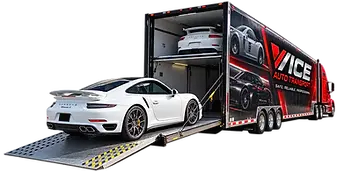
Enclosed transport places the vehicle inside a covered trailer. That barrier protects it from rain, road grime, debris, sun exposure, and most weather-related exposure along the route. It is commonly chosen for classics, exotic cars, high-end luxury vehicles, show cars, low-clearance vehicles, and freshly restored vehicles.
Neither option is automatically right for every shipment. A late-model SUV moving from Fort Lauderdale to a Denver suburb generally does not need enclosed service. A collector car with a new paint job, or a vehicle whose owner cannot accept cosmetic risk, may be well worth the additional cost.
What open transport does well
For a daily driver, open shipping is usually the best value. There are more open carriers operating between Florida and Colorado, so it is generally easier to find capacity at a realistic price. A larger carrier pool can also help when your preferred pickup date is approaching, although no legitimate company should promise a truck on an exact date before a carrier is assigned.
Open trailers are designed for interstate vehicle hauling. Drivers inspect vehicles at pickup and delivery, document the condition on a bill of lading, and carry the cargo insurance required for the vehicles they transport. Customers should still review the inspection carefully, take clear photos before pickup, and ask about the assigned carrier's insurance details.
The trade-off is exposure. Your vehicle may arrive with dust, road film, or water spots, particularly after a cross-country trip. That is not the same as damage, but it can matter to an owner who expects a perfectly clean vehicle at delivery. A wash after delivery is normal with open transport.
When enclosed shipping makes sense
Enclosed service is about reducing exposure, not creating a zero-risk shipment. Vehicles still need to be loaded, secured, transported through traffic, and unloaded. But a covered trailer offers meaningful added protection from road debris and weather.
It is often the better fit if the vehicle is rare, highly valuable, modified, freshly detailed, or difficult to repair cosmetically. Owners of classic muscle cars, Porsche and Ferrari models, lifted custom trucks, luxury sedans, and low-clearance performance cars frequently choose enclosed shipping for this lane.
Some enclosed trailers also offer liftgate loading or equipment better suited to low-profile vehicles. That matters if a car has a low front splitter, reduced suspension, or limited ground clearance. Do not assume every enclosed trailer has a liftgate, though. Share the vehicle's ground clearance, modifications, and running condition before booking so the transport specialist can match the shipment appropriately.
Price differences on the Florida-to-Denver route
Enclosed shipping commonly costs substantially more than open transport. The exact gap changes with season, vehicle size, pickup location, delivery location, fuel costs, and available trucks. Enclosed carriers carry fewer vehicles, operate specialized equipment, and serve a narrower market. Those realities affect the rate.
A quote that looks dramatically cheaper than the rest deserves a closer look. In auto transport, a low number may be an estimate that is not attractive enough for a carrier to accept. If the market rate rises or no driver takes the load, customers can be asked to pay more later or wait longer than expected.
A realistic quote should account for the full route and vehicle. South Florida is generally a strong pickup market, but pickups in places such as Miami, Fort Lauderdale, West Palm Beach, or Naples can still vary based on the date and truck availability. Denver is also a major metro area, though mountain weather and residential access can affect final delivery planning.
If price is the deciding factor and the vehicle is an ordinary, running car, open transport is usually the sensible call. If avoiding road exposure is a priority, enclosed transport is the premium option worth pricing honestly from the start.
Weather, altitude, and seasonal timing
The route from South Florida to Denver can cross several states and weather patterns. A driver may leave warm, humid conditions and encounter rain, wind, cold temperatures, or snow as the shipment approaches Colorado. Winter weather can affect both open and enclosed shipments by slowing traffic, changing routes, or making delivery areas difficult for large trucks.
Enclosed shipping shields the vehicle from precipitation and winter road spray, but it cannot eliminate schedule changes caused by unsafe driving conditions. Good communication matters more than promises when weather becomes a factor.
Denver's elevation also deserves consideration for buyers receiving a vehicle there. The elevation itself does not change the transport method, but steep grades and changing conditions near the Front Range are part of the route reality. If delivery is in a tight neighborhood, apartment complex, mountain community, or street with low branches, the driver may request a nearby open parking lot or commercial area for a safer handoff.
Snowbird timing can tighten capacity as well. Florida sees heavy seasonal traffic, especially when people are moving vehicles before or after winter. Booking early gives more room to coordinate, but early booking does not mean a carrier should be dispatched prematurely. The goal is to line up timing and price with actual carrier availability.
Pickup and delivery details that affect the trailer choice
The car itself matters, but the locations matter too. An open nine-car trailer and an enclosed trailer can both be large commercial vehicles. Narrow streets, gated communities, low-hanging trees, and strict HOA rules may prevent curbside pickup or delivery.
Be upfront about whether the car runs, rolls, steers, and brakes. A non-running vehicle may require a winch, which limits the available carrier options and can add cost. Also mention oversized tires, roof racks, aftermarket spoilers, loose parts, or personal items inside the vehicle. Federal regulations and carrier insurance policies generally make personal belongings a poor fit for auto transport.
Before pickup, remove toll tags, document existing condition with time-stamped photos, leave about a quarter tank of fuel, and keep the keys available. At delivery, inspect the vehicle before signing the final paperwork. If there is a concern, note it on the bill of lading while the driver is present and contact the arranging company promptly.
Choosing the right option without overpaying
Open transport is the default recommendation for a standard sedan, SUV, truck, or crossover that needs a practical South Florida-to-Denver move. It is widely available, efficient, and built for exactly this type of shipment. A little normal road dust is usually an acceptable trade-off for the savings.
Choose enclosed when the vehicle's value, condition, or sentimental importance makes added protection meaningful. It is also a smart conversation to have for low-clearance or specialty vehicles, where the equipment and loading method can matter as much as the covered trailer itself.
The best decision starts with accurate information, not a generic form. Share the year, make, model, running condition, addresses or ZIP codes, preferred dates, and whether the vehicle has special needs. Vice Auto Transport can then help explain the real open and enclosed options available for your shipment. Let Vice Auto Transport handle the miles while you choose the level of protection that fits your vehicle and your budget.


Comments