.png)


Freight Logistics for Vehicle Shipping Explained

A car shipment can look simple from the outside: a truck picks up your vehicle in one state and drops it off in another. The freight logistics behind that trip are where most of the real work happens. A good shipment depends on matching the right carrier to the vehicle, route, budget, pickup conditions, and delivery expectations - then keeping everyone informed when the plan changes.
For someone buying a vehicle online, relocating, or moving a seasonal car, understanding that process makes it much easier to spot a realistic quote, prepare for pickup, and avoid unnecessary surprises.
What Freight Logistics Means in Auto Transport
Freight logistics is the planning and coordination required to move something from point A to point B. In vehicle shipping, that does not mean putting your car on the next available truck and hoping for the best. It means arranging a practical route with a properly insured auto carrier, confirming vehicle details, coordinating access at each location, and managing timing around the carrier's existing load.
Most nationwide vehicle shipments involve a broker and a motor carrier. The broker communicates with the customer, gathers shipment details, helps set a market-appropriate price, and connects the shipment with a carrier that has the right equipment and route availability. The carrier is the company operating the truck and physically transporting the vehicle.
That distinction matters. A broker should be clear about the process rather than suggesting they own the truck assigned to every shipment. The carrier may not be selected until the vehicle is posted to the transport marketplace and an available driver accepts the load. That is normal, especially on routes where truck capacity changes week to week.
The Details That Determine Whether a Shipment Runs Smoothly
A zip code-to-zip code quote is a starting point, not the complete logistics picture. Two vehicles moving between the same cities can require very different planning.
Vehicle size is one factor. A full-size pickup, lifted SUV, or long-wheelbase van takes more deck space and adds weight. A low-clearance sports car may require special loading attention. A non-running vehicle needs a winch-capable carrier, and that should be disclosed before booking. If the driver arrives expecting an operable sedan and finds a disabled SUV, the equipment and price may need to change.
Pickup and delivery locations matter just as much. A wide commercial lot near an interstate is easier for a multi-car hauler to access than a narrow residential street with low tree branches, tight turns, or strict parking rules. Door-to-door service means the carrier comes as close to each address as safely and legally possible. Sometimes the practical solution is meeting at a nearby shopping center, truck stop, or larger road. That is not a downgrade in service. It is often the safest way to load and unload without damaging the vehicle or blocking traffic.
Timing is another major variable. A carrier is building a load of several vehicles, not making a dedicated trip for one car. Pickup windows depend on truck space, the driver's route, traffic, weather, hours-of-service rules, customer availability, and other vehicles on the load. A flexible pickup window generally creates more options. A shipment that must leave on one specific day may be possible, but it can limit carrier choices and raise the price.
Route density changes the options
Popular lanes such as Florida to the Northeast, California to Texas, and Midwest-to-Southeast routes usually have more carrier traffic. More traffic can mean better availability, but it does not guarantee a bargain at every moment. Seasonal demand, fuel costs, auctions, and weather still affect rates.
Less common routes, rural areas, and locations far from major highways can require more patience or a higher carrier payment. That does not mean the quote is unfair. It reflects the time and detour required for a truck to reach the vehicle and continue its route.
How Vehicle Shipping Prices Are Actually Built
Customers often receive several quotes and wonder why the lowest number can be hundreds of dollars below the rest. The answer is usually in the carrier pay, not a secret discount.
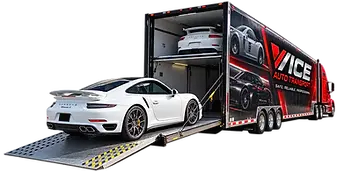
An auto transport quote typically accounts for distance, lane demand, vehicle type, running condition, transport method, pickup and delivery access, and scheduling flexibility. Open transport is the standard choice for most daily drivers. It is efficient and generally costs less because carriers can move multiple vehicles at once. Enclosed transport costs more because capacity is more limited and the equipment provides additional protection from road debris and weather. It is often a sensible choice for classics, exotics, high-value vehicles, or cars with special finishes, but it is not necessary for every shipment.
The quoted total also has to attract a carrier. If a price is posted below the going rate for that route, drivers may pass it over while accepting better-paying loads. The customer may then hear that the original quote needs to increase. Sometimes market conditions genuinely change, but a large adjustment can also be a sign that the first number was never realistic.
The better conversation is not simply, "What is the cheapest price?" It is, "What does this price need to accomplish?" If you need pickup before a flight, have an auction storage deadline, or are shipping a vehicle that cannot be exposed to the elements, those conditions should be part of the quote from the beginning.
Carrier Selection Is More Than Finding an Empty Spot
Once a shipment is ready to dispatch, the goal is to find a carrier that fits the job, not just any truck with space. A good coordinator reviews the carrier's authority, insurance information, equipment type, and route. For a non-running vehicle, that includes confirming loading capability. For an enclosed shipment, it means confirming enclosed equipment rather than assuming it.
Communication matters here. Customers should know when a carrier has been assigned, who is picking up the vehicle, and what to expect next. Drivers are often on the road and cannot always answer immediately, but a reliable point of contact helps prevent small issues from becoming stressful ones.
There are trade-offs. Waiting for an ideal carrier may improve the rate or fit, while accepting the first viable option can improve speed. An experienced transport specialist can explain those options honestly instead of treating every shipment as identical.
Insurance, Inspections, and the Paperwork That Protects You
No one ships a vehicle expecting a problem, but sensible freight logistics includes preparing for the possibility. The carrier should carry cargo insurance, yet customers should still understand what it covers and how a claim process works. Ask questions if the vehicle has unusual value, aftermarket parts, existing damage, or personal items inside.
The bill of lading is especially important. At pickup, the driver records the vehicle's condition and any visible prior damage. Take your own time-stamped photos and videos before the vehicle is loaded. At delivery, inspect the car in daylight if possible, compare it with the pickup condition report, and note any new visible damage before signing the final paperwork.
Personal belongings are another area where expectations need to be clear. Some carriers may allow a limited amount of items in the vehicle, while others do not. Items are generally not covered under the carrier's cargo policy, and too much weight can create compliance issues for the truck. Never treat the vehicle as a moving container without getting approval first.
For auction vehicles, confirm the lot's release requirements, gate hours, buyer number, and whether the car runs. Copart, IAA, Manheim, and similar facilities can have strict pickup procedures and storage timelines. Giving those details early helps prevent a driver from arriving without the access needed to retrieve the vehicle.
Preparing Your Vehicle for Pickup
Preparation does not need to be complicated, but it should be deliberate. Remove loose personal items, toll tags, and valuables. Leave about a quarter tank of fuel - enough to load and unload, without adding unnecessary weight. Make sure the battery is charged, tires are inflated, and any alarm system can be disabled.
If the vehicle has special starting instructions, a low front bumper, an inoperative window, a leak, or a brake issue, tell the coordinator and driver in advance. A few clear details can prevent delays at the pickup location. Keep a spare key available if possible, and make sure the person releasing or receiving the vehicle can sign the inspection paperwork.
When Hands-On Coordination Makes the Difference
Auto shipping is not a fixed parcel-delivery system. The plan may need adjustment because a storm closes a pass, an auction delays release, a street is inaccessible to a large hauler, or a previous customer takes longer than expected at delivery. What matters is how those changes are handled.
A real person who understands carrier schedules can give you context, offer practical alternatives, and keep you updated without pretending that every mile is predictable. That is the approach Vice Auto Transport brings to nationwide vehicle shipping: clear expectations, realistic options, and direct communication from quote through delivery.
Before you book, share the full picture - vehicle condition, exact addresses, deadlines, and any access concerns. The more accurate the information at the start, the easier it is to arrange a shipment that works for both you and the driver. Then let the transport team handle the miles while you keep your attention on what comes next.


Comments